A Bichon Frise's small size can suit some visiting settings, provided the individual dog enjoys the interactions. Grooming, handling arrangements, health, and suitable rest are part of the preparation.
The Bichon Frise is a small companion breed known for its white coat, cheerful expression, and affectionate temperament. On the surface, those qualities alone make it easy to see why people are drawn to the idea. In therapy settings, though, looks only carry a dog so far. What matters is emotional steadiness, comfort with strangers, adaptability, and the ability to stay calm in unfamiliar places. A good Bichon can bring all of that to the table. When properly trained and socialized, this breed can become the kind of therapy dog that leaves a room quieter, lighter, and somehow more hopeful than it was a few minutes before.
What Makes the Bichon Frise Well Suited for Therapy Work
The Bichon Frise was bred first and foremost to be a companion. That matters more than many people realize. A breed developed to live close to people often carries a natural desire to connect, and that desire is gold in therapy work. A Bichon usually wants to engage. It tends to enjoy eye contact, gentle touch, and close physical presence, which are all valuable traits during visits to hospitals, schools, rehabilitation centers, or nursing homes.
One of the breed’s greatest strengths is its social nature. Many Bichons genuinely like people, not just their own family but strangers too. A therapy dog cannot be suspicious, brittle, or aloof in the wrong setting. It has to be comfortable being approached, petted, spoken to in odd tones, and admired by people using walkers, wheelchairs, or medical equipment. The Bichon Frise often handles that attention well, especially when exposed to it early and often.
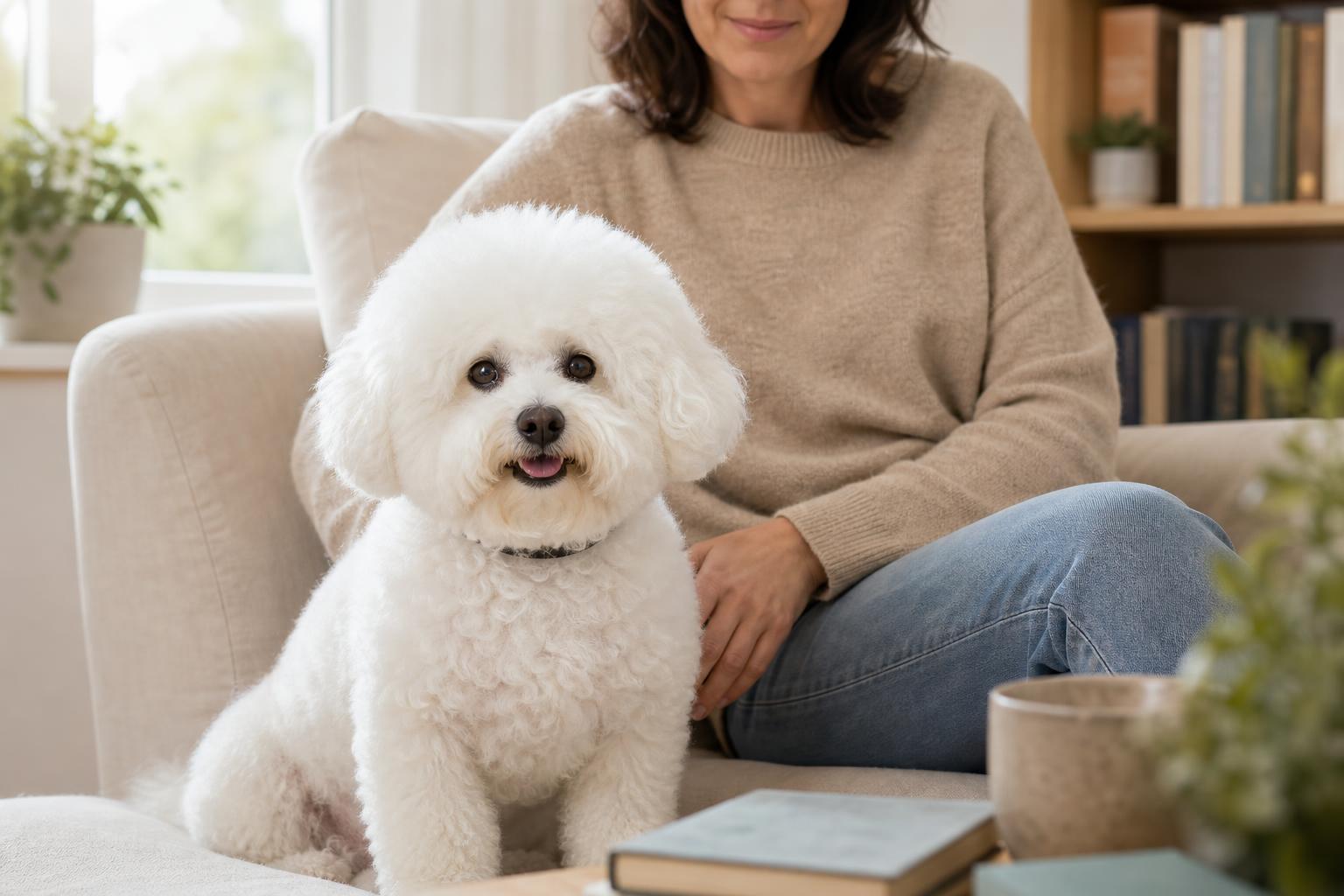
Its size is another practical advantage. A Bichon is small enough to sit beside a patient on a chair, rest near a child reading aloud, or be lifted carefully into an appropriate setting if needed. Large dogs can be wonderful therapy dogs too, but a little dog often feels less intimidating to nervous children, elderly adults, and people who are hesitant around animals. The Bichon’s soft coat and round, friendly appearance add to that welcoming effect.
Temperament Matters More Than Breed Reputation
That said, no breed guarantee replaces individual temperament. A Bichon Frise is only a good therapy dog if the individual dog is calm, resilient, and able to take novelty in stride.
The right Bichon does not need to be dull. In fact, a little spark is often nice. But it must be able to settle. Therapy work is not about tricks or speed. It is about emotional balance. If a dog startles easily, barks nonstop, mouths hands, or becomes frantic in stimulating environments, that dog is not ready, no matter how sweet it is at home.
Where a Bichon Frise Can Shine as a Therapy Dog
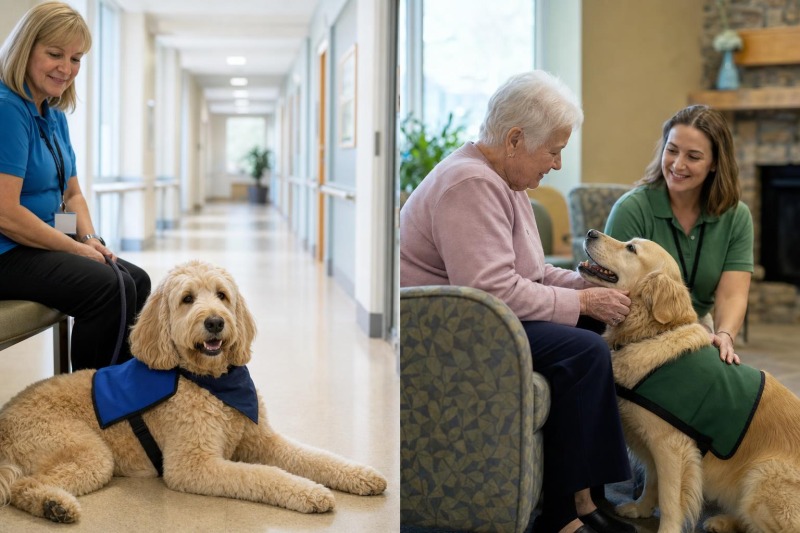
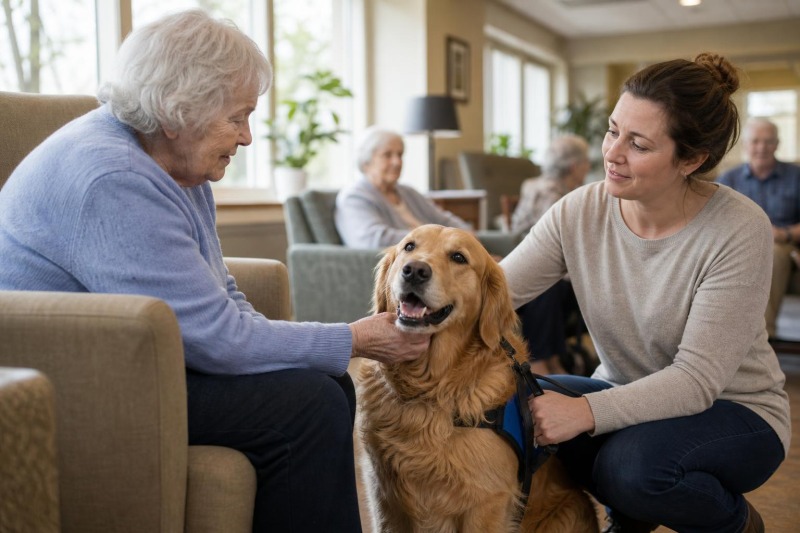
Because of its approachable size and affectionate style, the Bichon Frise often fits well in a wide range of therapy settings. In senior care communities, the breed can be especially effective. There is something about a Bichon’s softness and happy expression that invites conversation, touch, and memory.
In schools and libraries, the breed also does well. Children who feel overwhelmed by larger dogs often relax around a Bichon. Reading programs benefit from dogs that stay still, accept clumsy petting, and bring a sense of comfort without demanding too much space. A well-trained Bichon can be just right for that work.
Hospitals and mental health settings may also suit the breed, provided the dog is calm around equipment, noises, and unpredictable movement. A therapy dog in these places needs confidence without pushiness. The Bichon’s easygoing charm can be a real asset if supported by proper training and careful handling.
Training a Bichon Frise for Therapy Work
Training begins long before a dog earns any therapy certification. It starts in puppyhood with socialization, basic obedience, and exposure to the world in a safe, measured way. A Bichon puppy should meet different kinds of people, hear common noises, experience car rides, walk on strange floors, and learn that novelty is not something to fear. Early experience builds the foundation for a composed adult dog.
Basic commands matter, but not in a flashy way. Sit, down, stay, come, leave it, and polite loose-leash walking are all essential. A therapy dog should not jump on people, drag its handler, snatch food, or bark for attention. The Bichon Frise is intelligent and generally trainable, though it can have a playful streak and occasional stubbornness. Training should be patient, upbeat, and consistent.
One area owners should not overlook is handling tolerance. A therapy dog may be touched awkwardly. Someone might pat its head too hard, stroke its back the wrong way, or lean too close. The dog must be comfortable with gentle restraint, brushing, nail care, ear checks, and body handling. The Bichon’s coat requires regular grooming anyway, so this can become part of the dog’s education from an early age.
Certification and Real-World Readiness
Most formal therapy work requires passing a temperament and obedience evaluation through a recognized therapy dog organization. That process helps ensure the dog can behave safely in public and remain under control. Still, a certificate is not the whole story. A dog may pass a test and yet struggle in a busy memory care unit or a loud pediatric setting. Good handlers pay attention to the dog in front of them, not just the title on paper.
Real therapy work asks for a dog that can recover quickly from surprise, greet politely, and maintain emotional steadiness over time. A Bichon that enjoys people but tires easily or becomes overstimulated may do best with short visits. There is nothing wrong with that. In fact, shorter, positive sessions often produce the best results for both dog and handler.
Challenges to Consider Before Choosing a Bichon Frise
Every breed has trade-offs, and the Bichon Frise is no exception. Grooming is one of the biggest. That white coat does not stay clean and mat-free by accident. A therapy dog must be clean, pleasant to touch, and well maintained, especially if it will visit medical or elder care environments. Owners need to be realistic about brushing, bathing, trimming, and professional grooming costs.
Another issue is separation sensitivity. Many Bichons bond tightly with their people. That closeness can be lovely, but it can also lead to anxiety if the dog has not been taught independence. A therapy dog needs confidence, not clinginess. Building comfort with crates, quiet rest, and time alone can help keep the dog balanced.
Some Bichons are also more vocal than people expect. Alert barking is not unusual in the breed. In a therapy setting, excessive barking can be disruptive. Good training and clear expectations are important from the start. The dog should learn when to greet and when to simply settle beside its handler.
Bichon Frise as a Therapy Dog Versus Service Dog or Companion Dog
People often mix these roles together, so it helps to be clear. A therapy dog provides comfort to many people in shared environments such as hospitals, schools, or care facilities. A service dog is individually trained to perform specific tasks for a person with a disability. A companion dog offers emotional closeness and everyday support at home. A Bichon Frise may do well in any of these broader companion-focused roles, but therapy work is unique because it requires the dog to interact safely and calmly with the public.
That distinction matters when deciding what kind of training to pursue. If your goal is formal therapy visits, your Bichon needs excellent manners around strangers and public distractions. If your goal is simply a loving companion, the standards are different. The Bichon can excel as a household dog without needing the structure and demands of therapy certification.
Is the Bichon Frise the Right Therapy Dog for You?
If you want a dog that is large, rugged, and built for long outdoor labor, the Bichon is not that creature. But if you want a small, affectionate, people-oriented dog with a bright spirit and a strong chance of succeeding in therapy settings, this breed deserves serious consideration. The best Bichon therapy dogs are the ones given a stable home, patient training, broad socialization, and a handler who understands the work is about service, not attention.
There is an old lesson dog people learn sooner or later: the animal at your side does not need to dominate a room to change it. Sometimes the finest dog for healing is the one that quietly climbs into the empty space beside a hurting person and fills it with warmth. The Bichon Frise can do exactly that. In the right hands, with the right temperament, this little dog can become more than a charming companion. It can become a steady comfort, a bridge to conversation, and a gentle working partner in places where kindness matters most.
For families, volunteers, and future handlers exploring therapy dog breeds, the Bichon Frise offers a compelling mix of friendliness, portability, intelligence, and heart. Choose the individual dog carefully, train with purpose, and respect the demands of the job. Do that, and a Bichon Frise as a therapy dog can be one of the finest small-breed choices you will find.