Friendliness alone does not make a dog suitable for therapy visits. The dog must also be comfortable in the intended setting, able to disengage, and supported by a handler who recognizes stress.
That is the heart of it. Therapy work is not about whether a dog can sit, stay, and walk on a leash. It is about whether the dog can carry calm into unpredictable places and leave people better than it found them.
The Short Answer: No, Not Every Dog Can Become a Therapy Dog
Let us clear the brush right away. No, not every dog can become a therapy dog. Some dogs are too anxious around strangers. Some are too reactive to sudden movement, medical equipment, loud voices, or clumsy handling. Others are affectionate at home but shut down in busy public places. A therapy dog must be safe, stable, social, and comfortable with a wide range of people and environments. That is a tall order, and it asks for more than love.
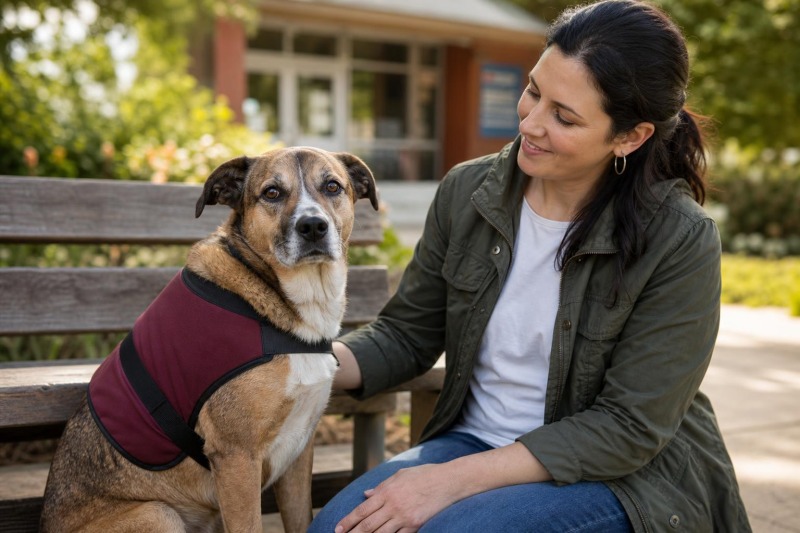
Still, the answer is not meant to discourage anyone. A dog does not need to be perfect, purebred, or born from some magical therapy line. Plenty of mixed breeds make excellent therapy dogs. Plenty of rescue dogs do too. What matters most is temperament. If a dog is naturally even-keeled, biddable, gentle, and resilient, training can build on that foundation. If the foundation is shaky, all the training in the world may only cover the cracks for a while.
What a Therapy Dog Actually Does
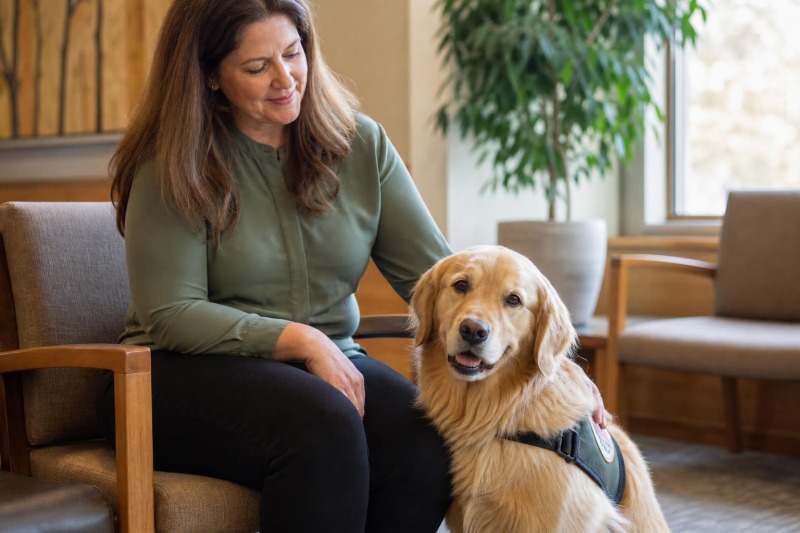
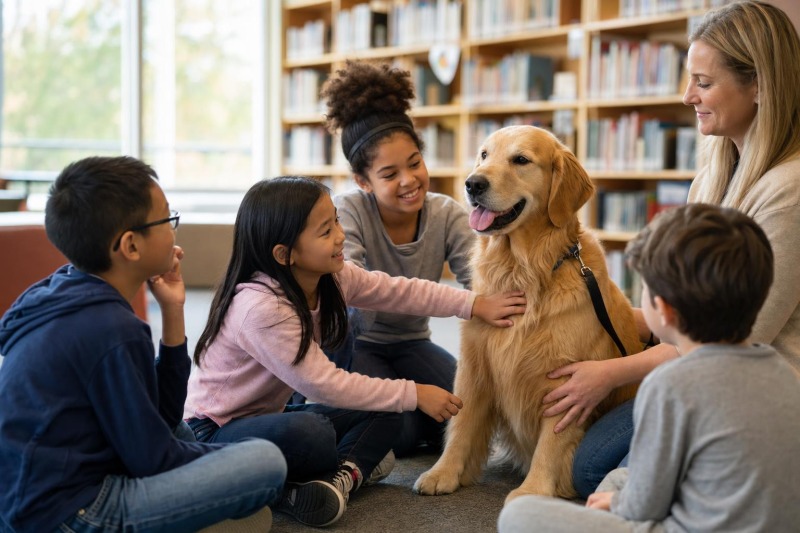
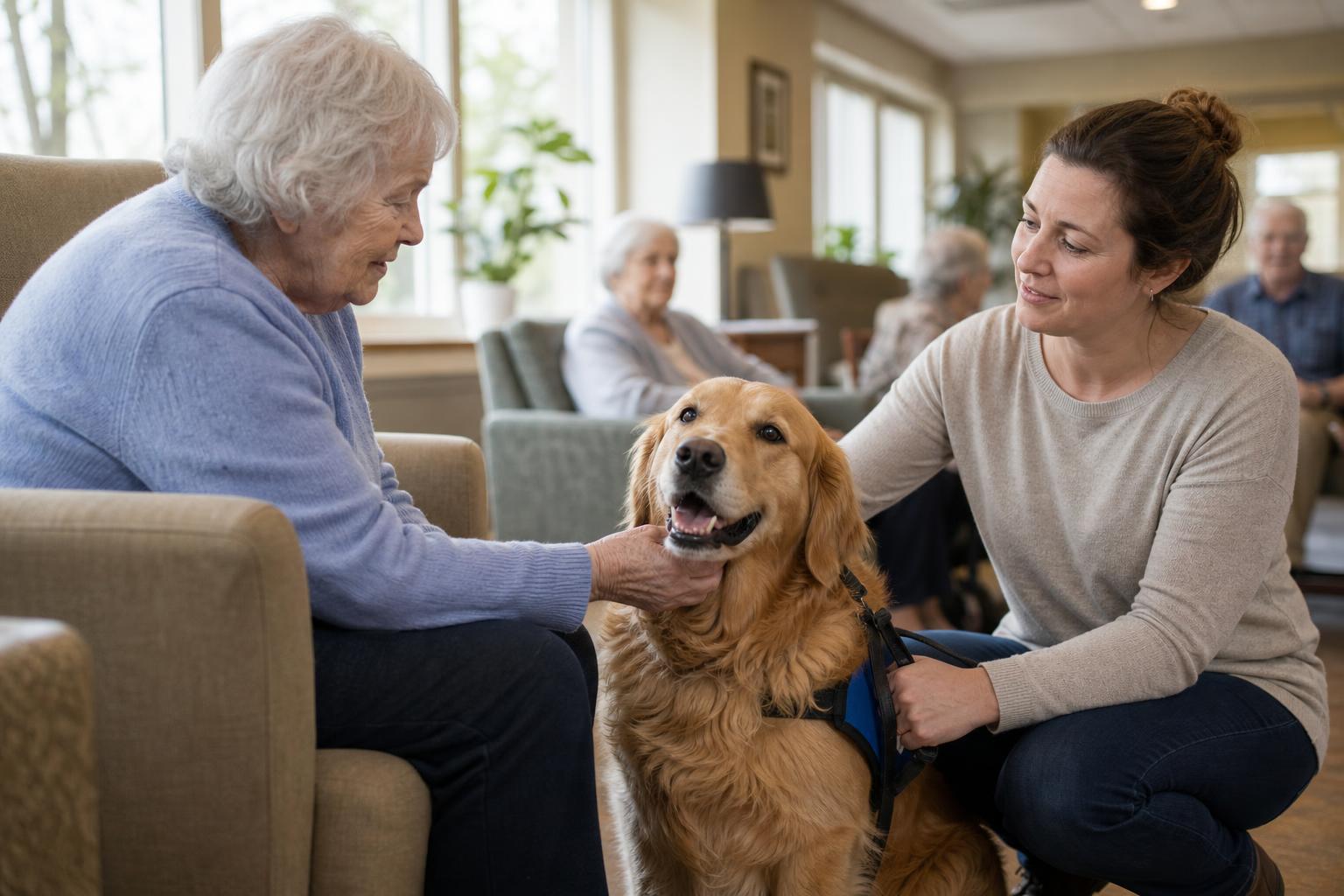
Folks sometimes mix up therapy dogs with service dogs, and the difference matters. A service dog is trained to perform specific tasks for one person with a disability. A therapy dog, by contrast, works with a handler to provide comfort and emotional support to many people in settings such as hospitals, schools, libraries, nursing homes, rehabilitation centers, and counseling programs. The therapy dog is not there for its handler alone. It is there to meet strangers, tolerate unfamiliar contact, and remain composed in changing situations.
That means the job has a social pressure to it. In the field, if a hunting dog is gun-shy or spooks every time the wind shifts through the timber, you know pretty quick he is in the wrong line of work. Therapy dogs are no different in principle. They do not need drive for birds or a nose for track, but they do need a kind of honest steadiness that cannot be faked. They must accept odd smells, sudden noises, walkers, wheelchairs, awkward hands, and emotional rooms without becoming fearful or overexcited.
Calm Temperament
A therapy dog should carry itself with a settled mind. That does not mean lazy. It means the dog can be alert without being tense and friendly without becoming wild. A calm dog is easier to trust in a hospital hallway, beside a child reading aloud, or next to an elderly person whose balance is not steady.
Comfort Around Strangers
Some dogs adore their own people and do not care for anyone else. There is nothing wrong with that in a companion animal, but it can be a hard stop for therapy work. A therapy dog must be willing to meet unfamiliar people over and over again, sometimes in close quarters and sometimes with little warning. The best ones seem to understand that people are part of the job, not an interruption to it.
Low Reactivity
Therapy settings are full of surprises. Something falls. A child squeals. A patient reaches suddenly. A machine beeps. A cart rattles past. A good therapy dog notices these things without unraveling. Startle recovery is just as important as not startling in the first place. Even a solid dog may flinch at something new, but it should recover fast and return to neutral.
Reliable Obedience and Manners
Manners are the harness that keeps temperament useful. A dog may be sweet as spring rain, but if it drags on leash, jumps on visitors, licks constantly, or cannot settle when asked, it is not ready. Basic obedience should be smooth and dependable. The handler should be able to guide the dog quietly and confidently in public.
Physical Health and Grooming Tolerance
Healthy dogs are safer and more comfortable in therapy work. Beyond that, the dog should tolerate regular grooming, bathing, nail trims, and handling. Therapy dogs are touched often, and cleanliness matters when visiting vulnerable populations.
Does Breed Matter?
Breed can influence the odds, but it does not write the whole story. Some breeds are widely known for social ease and trainability, which can make therapy work more likely. Retrievers, poodles, collies, and many toy breeds often show traits that fit the role well.
Think of breed as weather and temperament as terrain. Weather affects the hunt, sure enough, but the ground under your boots decides where you can safely step. A dog’s individual nature matters more than its label. Energy level, sociability, sensitivity, and recovery under pressure should guide your decision far more than popularity or breed stereotypes.
Can Rescue Dogs Become Therapy Dogs?
Absolutely, many can. Some of the finest therapy dogs come from shelters and rescues. A rescue dog that has matured into a balanced, affectionate, people-oriented companion can do this work beautifully. In fact, some handlers feel rescue dogs bring a special kind of quiet understanding into hard places.
That said, history matters. A dog with fear, trauma, resource guarding, or ongoing anxiety may not be a safe or happy candidate for therapy work. Wanting the role for the dog is not the same as the dog being suited for it. The first duty of a good handler is not to force a title. It is to protect the dog and the public both.
Training Alone Is Not Enough
This is where many people get turned around. They think if they sign up for enough classes, any dog can be polished into a therapy dog. Training helps enormously, but it does not replace temperament. You can shape behavior, build confidence, improve focus, and sharpen manners. What you cannot do is manufacture deep social comfort in a dog that fundamentally finds strangers threatening or public chaos overwhelming.
The best therapy dog training works like good gun dog training: you draw out what is already there and put it under control. You do not pound a square peg into a round hole and call it progress. If a dog enjoys meeting people, can settle with ease, and recovers quickly from surprises, training can turn promise into reliability. If not, the humane answer may be to let that dog be excellent at something else.
How to Tell If Your Dog Might Be a Good Candidate
Watch your dog in ordinary life before you ever look at registration tests or therapy organization requirements. Does your dog seek out friendly interaction without getting pushy? Can it lie quietly in a new place? Does it handle children, older adults, and unusual noises with steady nerves? Is it responsive to your voice when distractions rise? Most important, does the dog seem comfortable doing all this, or merely compliant while stressed?
Comfort is the key word. A dog that tolerates therapy work is not the same as a dog that is well suited to it. The best therapy dogs often seem to enjoy the rhythm of visiting. They stay connected to their handlers, yet open to other people. They are not frantic for attention, and they do not shrink from it either. They have a middle gear that serves them well.
Certification, Testing, and Real-World Readiness
Most therapy dog organizations require health records, obedience skills, temperament evaluation, and supervised visits or testing. These standards are there for good reason. They help ensure the dog is safe, manageable, and emotionally fit for the work. Passing a test, however, should not be seen as the finish line. Real-world readiness is broader than a single evaluation.
A dog may pass in a quiet setting and still struggle in a busy pediatric wing or crowded school hallway. Good handlers read their dogs honestly and keep learning. They know when to shorten a visit, when to skip a noisy room, and when to retire a dog from a situation that is too much. A therapy team succeeds not because the dog never feels pressure, but because the handler knows how to protect the dog while serving others.
When the Answer Is No, That Is Not Failure
Some dogs are homebody companions. Some are sport dogs. Some are happiest hiking, hunting, lounging on the porch, or following one person through daily life. There is no shame in that. We do dogs no favor when we turn every good dog into a candidate for public work. The right life for a dog is the one that fits its nature.
That did not make them lesser dogs. It just meant their gifts lay elsewhere. Therapy work is honorable, but so is being a faithful companion in an ordinary home.
So, can any dog become a therapy dog? No. But more dogs can do it than many people assume, provided they have the right temperament, good health, careful training, and a handler with honest judgment. Breed may shape expectations, but temperament decides the matter. Rescue or purebred, large or small, young adult or seasoned companion, the dog that succeeds in therapy work is the one that remains calm, kind, and steady when the world grows strange around it.
If you are considering this path, start by looking at the dog in front of you rather than the title you hope to earn. Watch how it carries itself. Watch how it meets pressure. Watch whether it truly enjoys the company of people beyond your own front door. A genuine therapy dog does not just obey. It brings peace. And when you find one with that quiet gift, you will know it as surely as a hunter knows a good dog by the way it moves through the morning cover.