The history of therapy-dog work includes informal visits, organized volunteer programs, and changing expectations for training and welfare. Named milestones deserve careful checking rather than repetition of familiar anecdotes.
You see it in the way a nervous hand relaxes, in how a guarded child starts to speak, or how an old veteran stares into a dog’s face and softens around the eyes. Therapy dogs did not appear overnight as a formal idea. Their roots run deep, reaching back through old healing traditions, practical observation, and a hard-earned respect for the dog’s instinct to stay close when people need comfort most.
Early Roots of Animal-Assisted Healing
Long before anyone used the term “therapy dog,” people noticed that animals had a calming influence on the sick, the troubled, and the lonely. Historical records from Europe in the late 18th and 19th centuries show that animals were sometimes included in care environments for people with mental illness. These early efforts were not polished programs with certifications and scheduled visits. They were simpler than that. Caregivers observed that patients often became gentler, more engaged, and more grounded when animals were around.
In England, the York Retreat, founded in the late 1700s, became known for more humane treatment of people with mental health conditions. Animals were part of that atmosphere. The thinking was plain and practical: responsibility, companionship, and gentle contact with living creatures could help restore emotional balance. That may sound ordinary now, but at the time it marked a meaningful shift in how healing was understood.
Later, in the 19th century, Florence Nightingale wrote about the value of small pets for the chronically ill. She recognized that animals could provide companionship and reduce anxiety, especially for patients facing long recoveries. She may not have been writing specifically about therapy dogs as we define them today, but her observations helped lay important groundwork. What she saw then still holds true now. A dog offers presence without pressure. That can be mighty healing.
Why Dogs Stood Out
Not every animal is suited to therapy work, and history made that clear over time. Dogs rose to the forefront because they are unusually good at reading human emotion, responding to body language, and building trust across age, culture, and circumstance. A steady dog can lie quietly beside a hospital bed, walk gently beside a child, or rest its head in the lap of somebody carrying grief heavier than words. That natural social instinct made dogs especially effective in healing settings.
Therapy Dogs in the 20th Century
The modern history of therapy dogs begins to take shape in the 20th century, especially during and after the world wars. In hospitals treating wounded soldiers, staff and volunteers noticed that dogs could lift morale and ease the strain of recovery. These were not always official therapy programs. Many times, the comfort came through one dog at a time, one ward at a time, one patient at a time. Still, the pattern was hard to ignore.
One of the most often cited early examples is Smoky, a tiny Yorkshire Terrier found during World War II. Smoky became famous not only for boosting troop morale but also for visiting wounded soldiers in hospitals. She brought smiles, distraction, and a bit of normal life into sterile, painful places. Dogs like Smoky showed the public what many handlers had already witnessed firsthand: even in the middle of suffering, a dog could bring relief that felt immediate and real.
By the mid-1900s, the bond between people and dogs was drawing more attention from psychologists, doctors, and rehabilitation professionals. What had long been understood by instinct started to be studied with greater seriousness. In homes, clinics, and institutions, dogs were proving themselves not merely as pets but as partners in emotional support and recovery.
The Work of Dr. Boris Levinson
If there is one name often linked to the formal development of therapy dogs and animal-assisted therapy, it is Dr. Boris Levinson. In the 1960s, Levinson, a child psychologist, noticed that his dog helped withdrawn children open up during sessions. Some young patients who resisted conversation with adults responded naturally to the dog. The animal became a bridge, easing tension and making trust possible.
Levinson’s work helped bring the concept into professional discussion. He wrote and spoke about what he called pet-oriented child psychotherapy, arguing that animals could play a valuable therapeutic role. At first, some professionals treated the idea with skepticism. That is often the way when common sense arrives before official approval. But over time, evidence and experience caught up with him. His observations helped establish the foundation for animal-assisted therapy as a recognized field.
This was an important turning point in the history of therapy dogs. Until then, much of the work had been informal, anecdotal, or overlooked. Levinson’s influence gave structure to what many people had seen in practice. He helped move therapy dogs from the realm of kindhearted visits into a more organized and respected part of care.
The Rise of Organized Therapy Dog Programs
In the 1970s and beyond, therapy dog programs began to develop with more intention. Hospitals, nursing homes, rehabilitation centers, and schools started inviting trained dog-handler teams into their facilities. Organizations emerged to evaluate temperament, establish visitation standards, and support volunteer teams. This helped protect both the people being served and the dogs doing the work.
One major milestone came with the founding of Therapy Dogs International in 1976. Programs like this gave therapy dog work a clearer public identity. Dogs were assessed for calm behavior, friendliness, reliability, and comfort around wheelchairs, medical equipment, sudden sounds, and unfamiliar people. Handlers also had to learn how to read their dogs and respect the environment. A good therapy dog is not just affectionate. It must be stable, adaptable, and genuinely at ease in situations that can feel strange or emotionally intense.
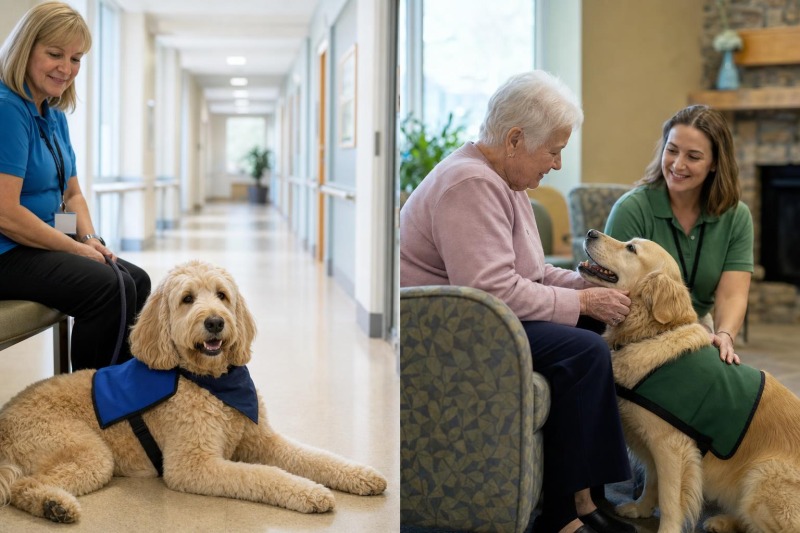
As these programs grew, therapy dogs found roles in more settings. They visited hospitals where patients faced surgery, cancer treatment, or long rehabilitation. They entered nursing homes where loneliness often weighed as much as illness. They worked in schools, helping children build confidence with reading and emotional regulation. They were also welcomed into counseling practices, disaster response efforts, and support programs for veterans and trauma survivors.
What Makes a Therapy Dog Different
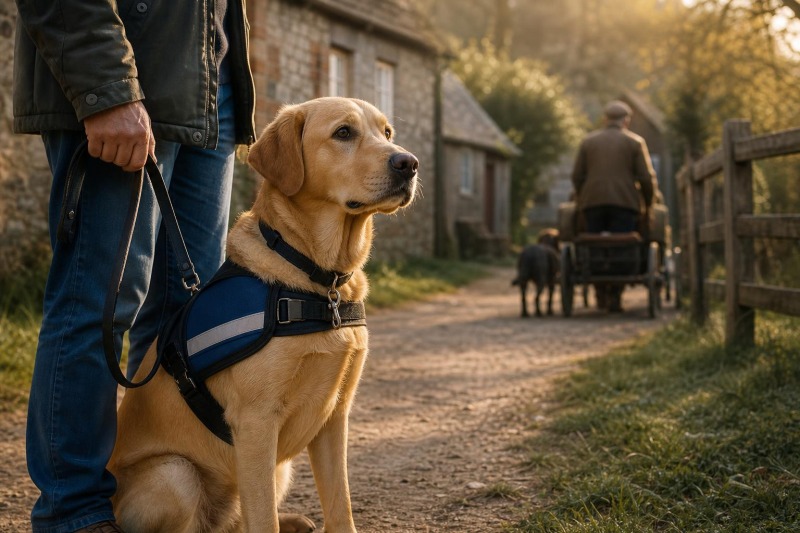
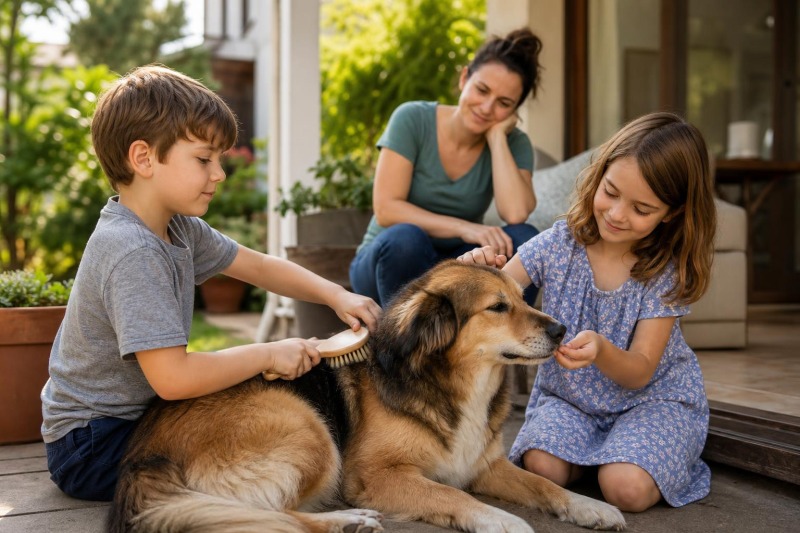
It is worth pausing here, because many people confuse therapy dogs with service dogs or emotional support animals. Therapy dogs are trained and evaluated to provide comfort and affection to many people in institutional or community settings. A service dog, by contrast, is trained to perform specific tasks for one individual with a disability. A companion dog may offer immense personal comfort at home, but it does not automatically fill a formal therapy role. The history of therapy dogs depends on that distinction, because organized therapy work developed around the idea of reaching many people safely and consistently.
How Research Strengthened the Field
As therapy dog programs expanded, research helped explain why they worked so well. Studies began to show that interaction with dogs could lower stress, reduce feelings of isolation, encourage communication, and support emotional well-being. Some research pointed to physical effects too, such as lowered blood pressure and reduced cortisol levels. None of that surprises someone who has spent a life around dogs, but modern science gave institutions the confidence to invest in these programs.
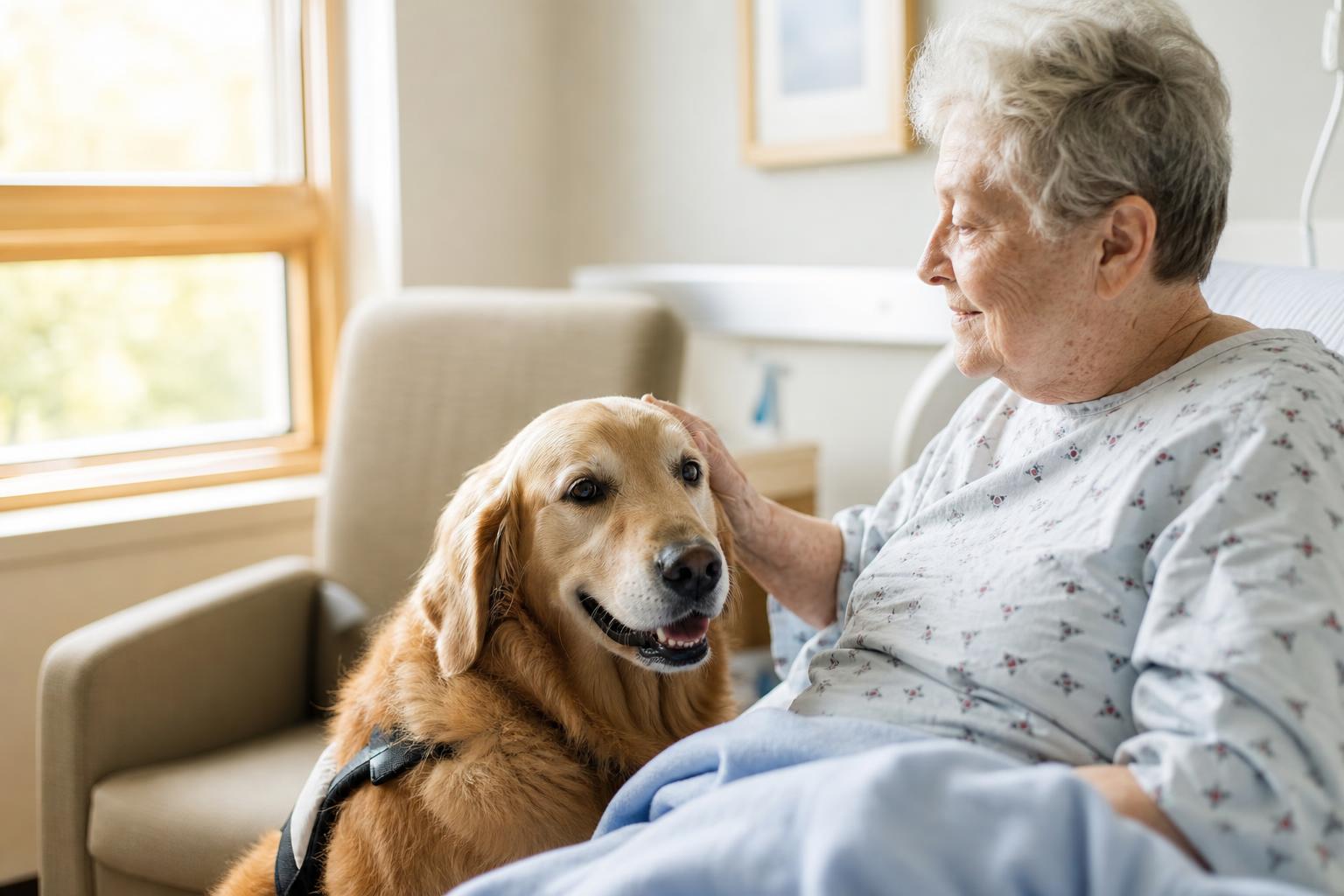
The benefits were especially clear in places where people felt cut off from normal life. A patient in a hospital gown is often treated by diagnosis first and person second. A therapy dog changes that rhythm. The dog does not care about charts, machines, or titles. It walks in looking for a hand, a voice, a moment of connection. That can restore dignity in a way that is hard to measure on paper, even if the numbers now support what handlers have long known.
Therapy Dogs Today
Today, therapy dogs are part of a broad and respected field of animal-assisted interventions. You will find them in hospitals, mental health clinics, schools, courtrooms, hospice programs, airports, colleges during exam week, and crisis response settings after tragedy. The role has grown, but the heart of the work remains the same. A therapy dog offers calm, contact, and comfort at moments when people need steadiness most.
The best teams still rely on old-fashioned qualities. Sound temperament. Trust between handler and dog. Patience. Good judgment. And a dog that genuinely likes people. Fancy titles do not matter much if the dog cannot settle beside a bed or quietly accept a shaky embrace from a stranger. In that way, therapy work is honest work. It asks for character more than show.
For anyone interested in therapy dogs, service dogs, or companion dogs, the history matters because it shows how these roles developed from real human need. Therapy dogs were not created as a trend. They earned their place through decades of observed benefit, careful training, and countless quiet interactions that changed hard days for the better.
The Lasting Legacy of Therapy Dogs
The history of therapy dogs is built on a simple truth: dogs have always met people where they are. In wartime wards, nursing homes, counseling rooms, and school libraries, they have done the same humble work over and over again. They have helped people breathe easier, speak more freely, grieve more openly, and feel less alone.
A good dog has always been more than muscle, speed, or obedience. The finest ones carry a kind of steady wisdom. They know when to move and when to stay put. Therapy dogs brought that gift into the world of healing in a formal way, but the instinct behind it is as old as the bond between dogs and people.
As therapy dog programs continue to grow, their history reminds us that healing is not always loud or dramatic. Sometimes it arrives on four feet, with calm eyes, a gentle tail, and the patience to sit with somebody until the weight eases a little. That is the legacy of therapy dogs, and it is one worth honoring.