Children's experiences with dogs depend on supervision, teaching, and the behavior of the individual animal. Support safe interactions and give both child and dog a way to disengage.
Out in the field, whether you are reading a dog in tall grass or watching one settle quietly beside a nervous child, you learn to respect instinct. Dogs have a way of sensing fear, excitement, loneliness, and joy before many adults ever notice it. That sensitivity is part of what makes them such powerful companions for children. They can be playmate, comforter, motivator, listener, and in some cases, a life-changing support animal. For parents exploring the value of a companion dog, therapy dog, or service dog, understanding the connection between dogs and child development is more than useful. It is essential.
The Bond Between Dogs and Growing Children
Child development is not just about milestones on a chart. It is about how a young person learns to trust, communicate, regulate emotions, solve problems, and build relationships. Dogs can support each of these areas in quiet but meaningful ways. A child who wakes up eager to feed the family dog is learning consistency. A child who whispers secrets into a dog’s fur is practicing emotional expression. A child who walks a calm dog through the neighborhood is building confidence one step at a time.
The bond often starts simply. A child tosses a ball. The dog brings it back. That exchange looks small from the outside, but it is layered with growth. There is timing, attention, movement, reward, and connection. When repeated over months and years, these moments teach children that care creates trust and that trust creates friendship. In a world where so much feels fast and distracted, a dog can anchor a child in the present.
Why Dogs Speak to Children So Naturally
Children are drawn to what is real, and dogs are about as real as it gets. They do not flatter. They do not judge a child for being shy, energetic, awkward, or different. A dog responds to tone, body language, patience, and consistency. In return, children learn that relationships are built through actions as much as words. That is a lesson worth learning early.
Many children also find dogs easier to approach than people. A dog offers companionship without pressure. For a child who struggles socially or feels overwhelmed in busy environments, this can open a door. It gives them a safe relationship where they can practice communication, affection, and trust without fear of rejection.
Emotional Development and the Steady Presence of a Dog
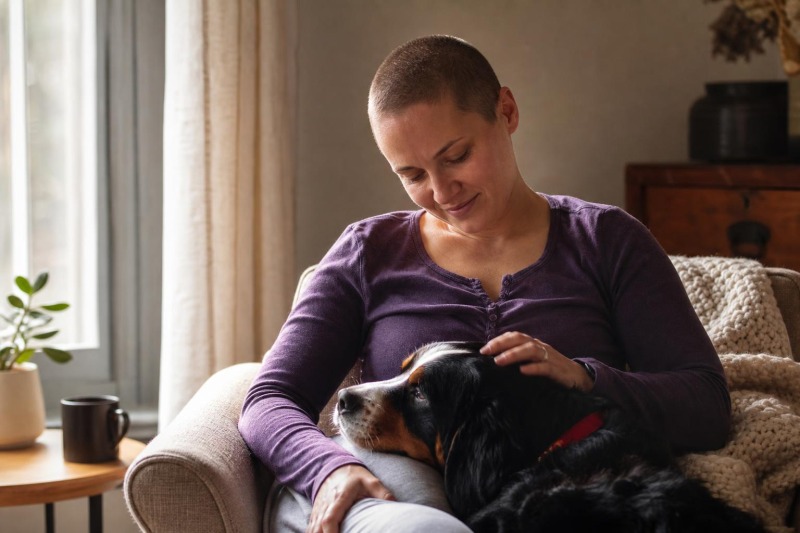
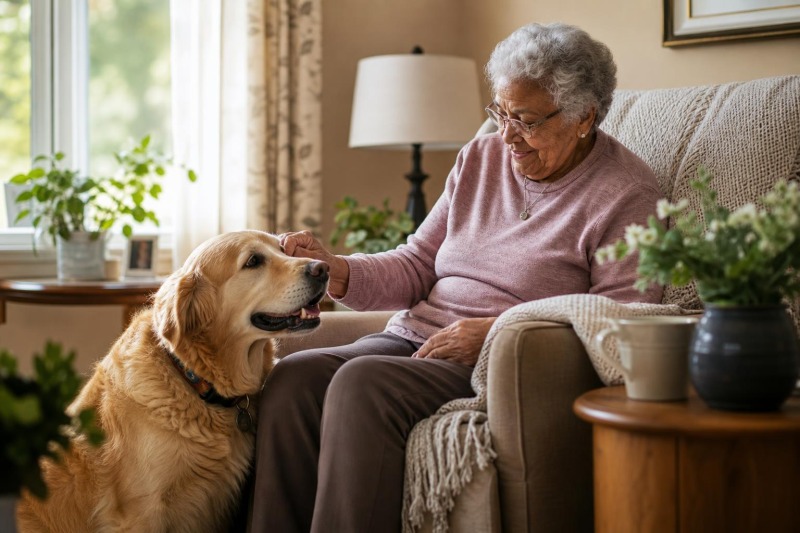
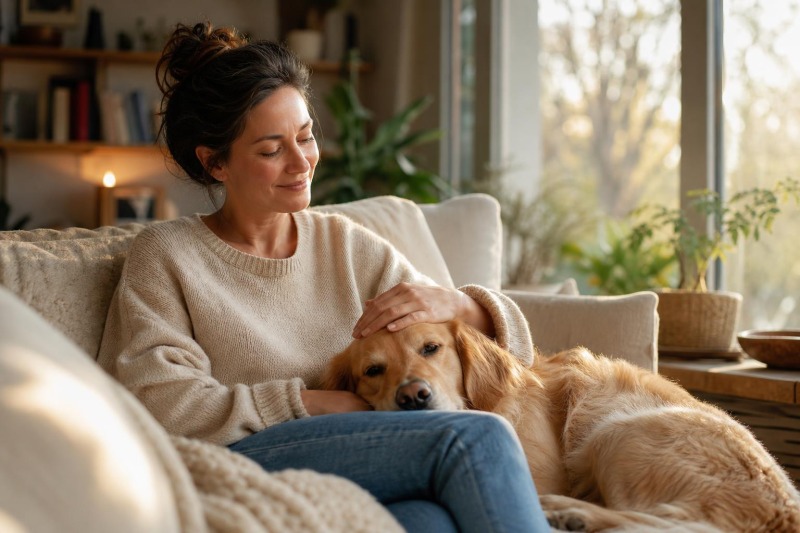
One of the strongest benefits dogs offer children is emotional support. Kids face more pressure than many adults remember. School demands, social worries, changing routines, and family stress can pile up fast. A dog does not erase those burdens, but it can soften them. The simple act of petting a dog, resting against a warm body, or hearing familiar paws cross the room can bring a sense of calm that is hard to fake.
Children often turn to dogs when they are upset because dogs feel safe. They listen without interrupting. They stay close without asking the child to explain everything. That kind of silent support matters. Over time, it can help children recognize their feelings and recover from distress more steadily. This is especially true for children dealing with anxiety, grief, trauma, or major life changes.
How Therapy Dogs Help Children Heal and Open Up
Therapy dogs play a special role in emotional development. These dogs are trained to provide comfort in schools, hospitals, counseling offices, and community programs. The dog changes the atmosphere. It lowers the temperature in the room, so to speak. The child stops feeling examined and starts feeling understood.
For children who need encouragement in reading, counseling, or recovery, a therapy dog can become a bridge. Reading aloud to a dog reduces performance pressure. Sitting beside a dog during therapy can help a child stay grounded. These are not flashy gains, but they are real ones, and often the most valuable progress comes in these quiet stretches.
Social Skills, Communication, and Confidence
Dogs can also help children grow socially. Owning or interacting with a dog creates natural opportunities for conversation. Kids talk about their dog, introduce the dog to others, ask questions, and learn to read signals. They begin to understand that communication is not only verbal. Dogs teach children to notice posture, energy, boundaries, and timing. Those skills carry over into human relationships.
A child walking a dog in the park is often approached by neighbors and other children. That simple scene can help a shy child engage with the world more comfortably. The dog becomes an icebreaker, a teammate in social settings. For some kids, especially those who are reserved, that support can make social experiences feel less intimidating.
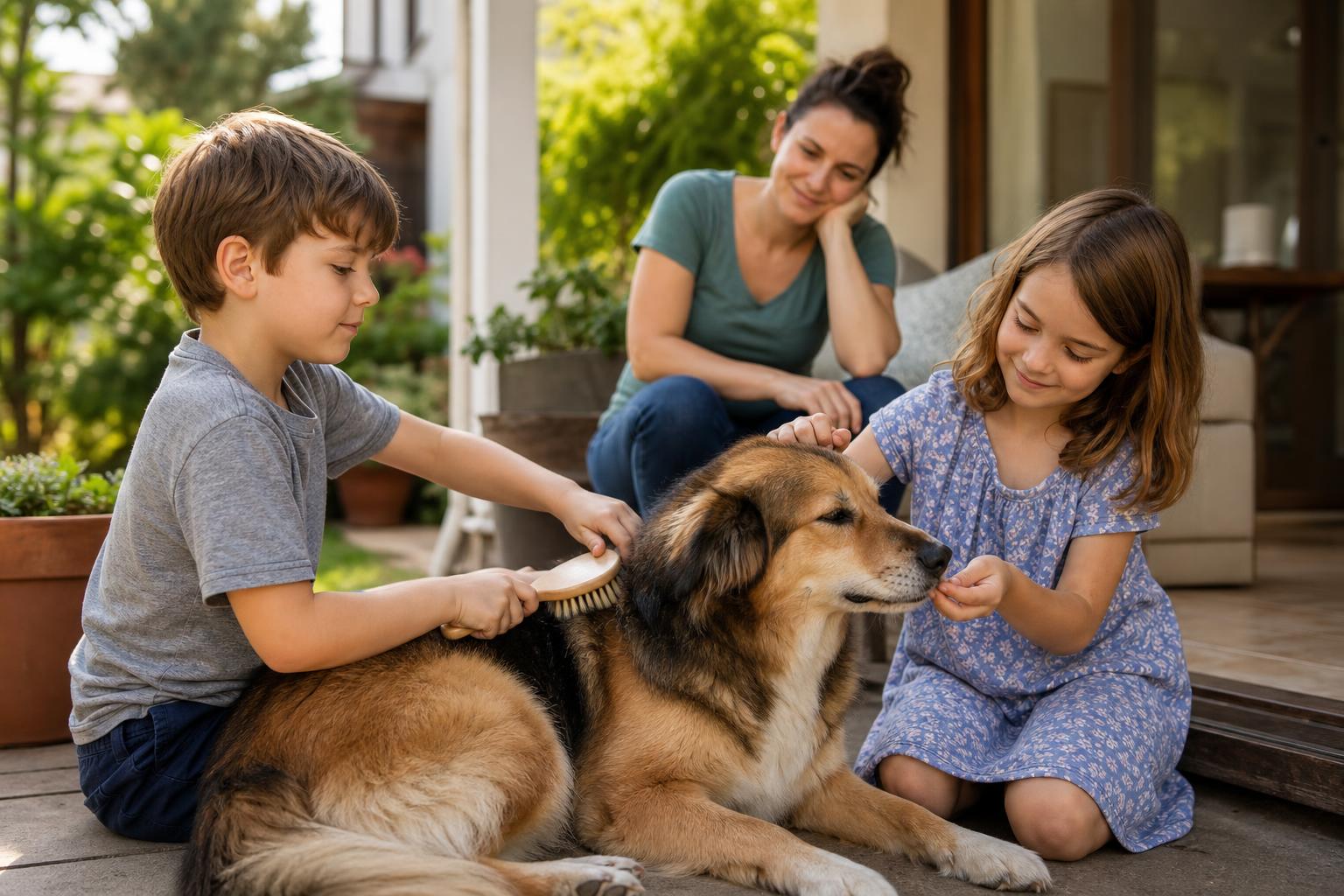
Confidence grows in similar ways. Children feel capable when they help care for a dog and see the dog respond positively. Filling a water bowl, practicing a sit command, brushing a coat, or joining a training session all give a child a sense of contribution. They begin to understand that their actions matter. That knowledge builds self-esteem from the inside out.
Responsibility, Routine, and Learning Through Care
A dog brings structure into a household, and structure is good for children. Dogs need feeding, exercise, grooming, and attention. When children participate in those routines, they learn accountability in a practical way. Not the kind delivered through a lecture, but the kind learned by doing. A hungry dog cannot be ignored. A muddy dog after a rainy walk needs care. A leash must be clipped properly before the door opens.
These ordinary jobs help children understand follow-through. They also teach that living beings depend on us. That is an important moral lesson. It fosters empathy, patience, and a stronger sense of duty. Of course, responsibility should match the child’s age and maturity. A young child can help scoop food. An older child may assist with training or daily walks. The value comes from consistency and guidance, not from handing over too much too soon.
What Companion Dogs Offer in Everyday Family Life
Companion dogs are often the heart of this daily learning. They may not have the formal job of a therapy or service dog, but their influence can be just as profound. A dependable companion dog offers loyalty, routine, affection, and a reason for children to step away from screens and into real life. Long before a child understands the language of personal growth, they understand that the dog needs them, and that can be a powerful motivator.
Good companion dogs also help children experience comfort without conditions. They greet them after hard school days, curl up nearby during storms, and bring a little joy to ordinary afternoons. That steadiness helps create a home environment where children feel grounded.
Service Dogs and Developmental Support for Children with Disabilities
For some families, the impact of a dog goes far beyond companionship. Service dogs can support children with physical disabilities, autism, diabetes, seizure disorders, and other medical or developmental needs. These dogs are trained for specific tasks, and their work can improve both safety and independence.
In child development, that support can be transformative. A service dog may help reduce elopement risk, interrupt repetitive behaviors, provide pressure therapy during moments of distress, or alert caregivers to medical changes. Just as important, the dog can help the child participate more fully in daily life. School, travel, outings, and routines often become more manageable when a trained service dog is part of the team.
There is also a dignity in that partnership. Children with disabilities are too often defined by what they cannot do. A service dog shifts some of that focus. It supports ability, confidence, and connection. The child is not alone in navigating the world, and that can change how they see themselves.
Choosing the Right Dog for a Child and Family
Not every dog is the right fit for every child. Temperament matters more than looks, and training matters more than trend. Families need to think carefully about energy level, size, patience, health, and the purpose the dog will serve. A calm, sociable dog with a steady nature is often a better match for children than one chosen purely for popularity.
It is also worth remembering that the relationship should be supervised and nurtured. Children need to learn how to respect a dog’s space, read signs of stress, and interact gently. The best outcomes happen when adults set clear expectations for both the child and the dog. Good bonds do not appear by accident. They are built through time, boundaries, and shared experiences.