In older-adult care, contact with a dog should suit the person's preferences and practical circumstances. Consider care responsibilities, mobility, allergies, and support from staff or family.
For many older adults, the right dog becomes part friend, part routine keeper, and part emotional anchor. A companion dog can soften loneliness. A therapy dog can lift the mood in senior living settings and help bring people out of themselves. A trained service dog can assist with mobility tasks, medication reminders, balance support, and other practical needs. Each role matters, and each can improve quality of life in ways that are hard to measure until you have seen it with your own eyes.
Why Dogs Matter So Much in Later Life
Aging often brings changes that can sneak up slowly. A person may retire, lose a spouse, move into a smaller home, or begin spending more hours alone. Social circles shrink. Energy changes. Even a strong, independent senior can find the house growing too quiet. That is where a dog often steps in and fills more space than its body ought to be able to manage. The sound of nails on the floor, the weight of a head on the knee, the expectation of a morning walk or an evening feeding all of it builds structure and purpose.
A good dog does not rush a person. It does not judge slower steps or repeated stories. It simply shows up, day after day, with the same honest heart.
That kind of presence can ease stress, support mental well-being, and encourage healthy habits. Seniors with dogs often have more incentive to maintain a routine, spend time outdoors, and stay gently active. Even simple tasks like filling a water bowl or walking to the mailbox with a dog can keep the body and mind engaged.
Companion Dogs for Seniors
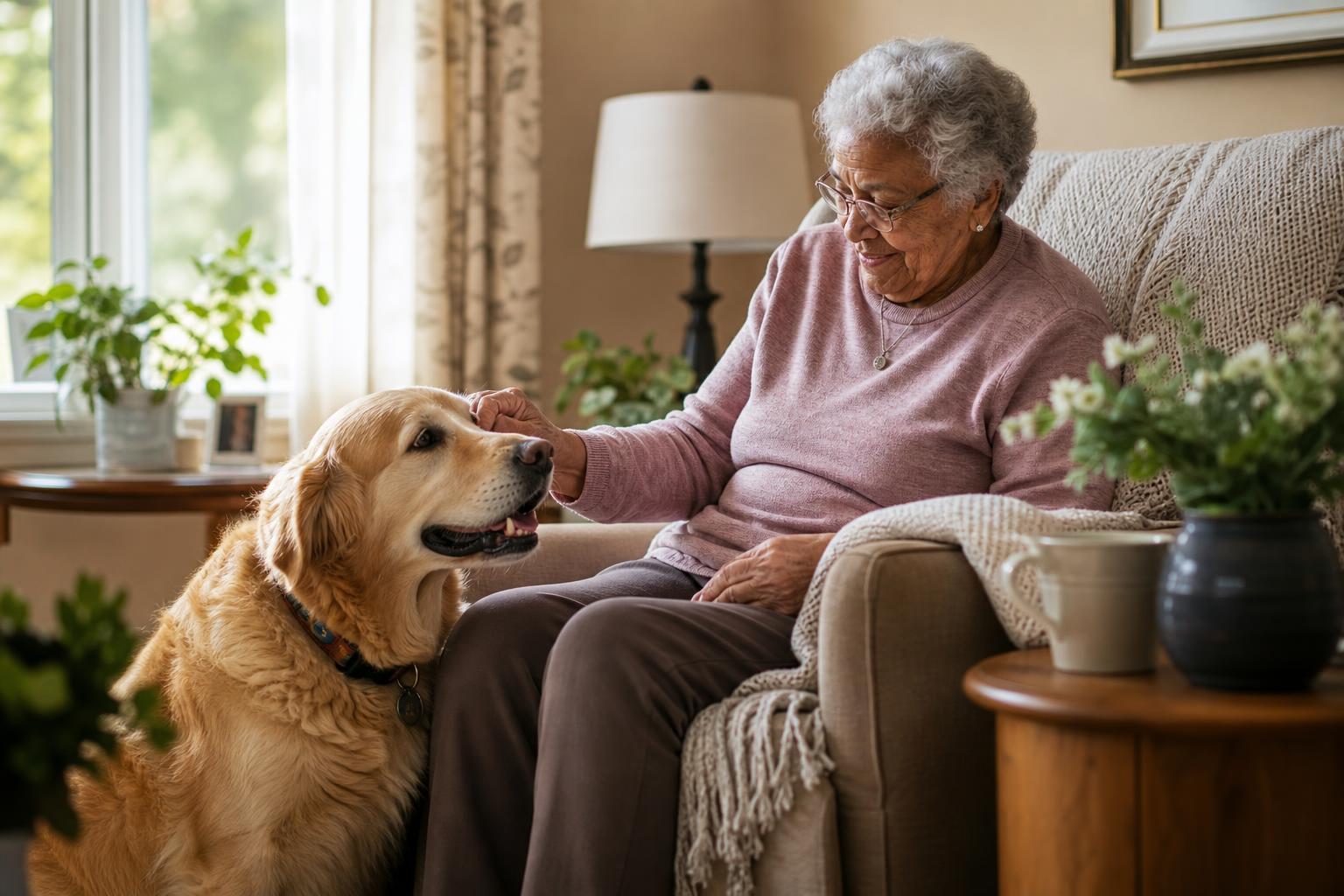
Companion dogs are often the best fit for elderly care because their main job is beautifully simple: be there. They offer affection, familiarity, and emotional steadiness. For many seniors, especially those living alone, a companion dog helps turn an empty house back into a home.
The best companion dogs for elderly owners are usually calm, affectionate, trainable, and matched carefully to the person’s lifestyle. That matters more than breed hype ever will. A senior who enjoys short daily walks and quiet evenings may thrive with a small or medium dog that is easy to manage. Someone more active may do well with a dog that enjoys regular exercise but settles nicely indoors. Temperament beats looks every time.
Low-maintenance coats, predictable behavior, and good house manners also go a long way. The right dog is not the flashiest one. It is the one that fits the person. If a dog is too strong on leash, too energetic in the house, or too needy for constant activity, it can add stress rather than relieve it. The right companion dog should make life smoother, not harder.
The Emotional Benefits of a Companion Dog
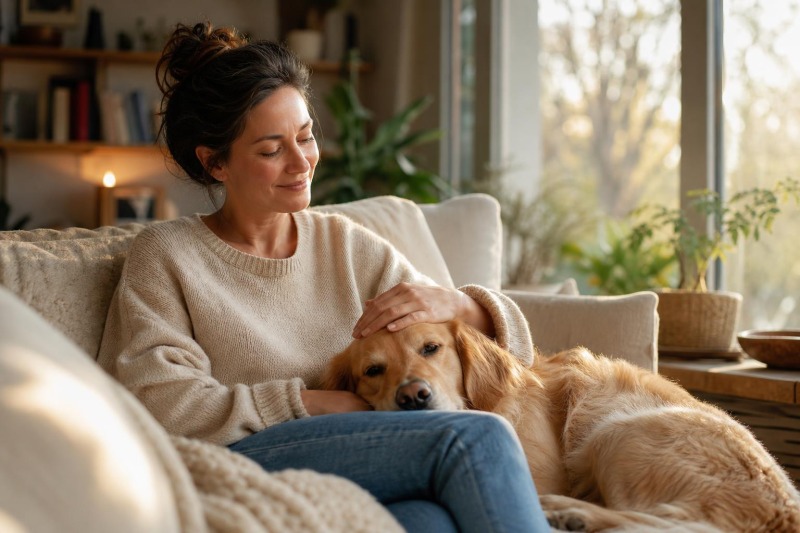
There is something deeply reassuring about being needed by another living creature. Older adults who feel isolated often regain a sense of purpose through caring for a dog. That purpose may sound modest to an outsider, but it is not small at all. Feeding a dog, sharing a chair in the afternoon light, keeping up with a daily walk these things can form the backbone of a good day.
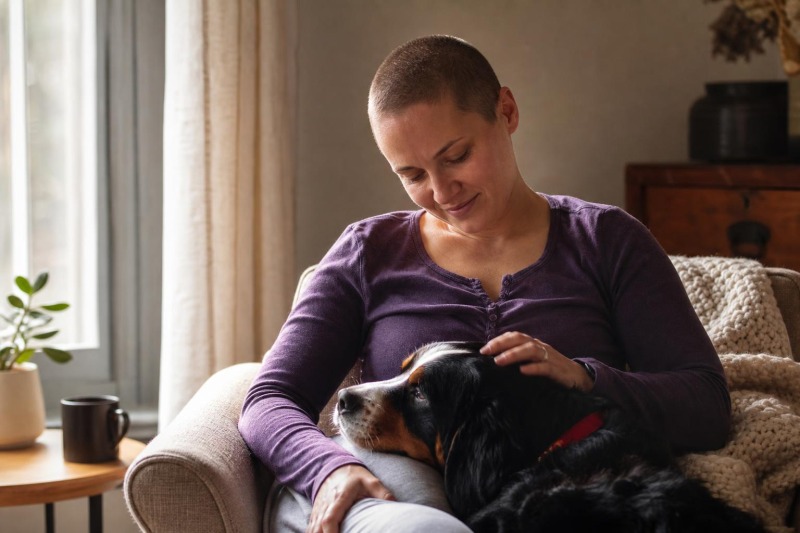
Companion dogs may also help reduce feelings of grief, anxiety, and depression. They encourage touch, connection, and routine. For seniors adjusting to major life transitions, that can be a lifeline. A dog gives affection without asking a person to be cheerful, strong, or polished. It meets them where they are.
Therapy Dogs in Elderly Care Settings
Therapy dogs serve a different but equally meaningful role. These dogs are usually brought into nursing homes, assisted living communities, rehabilitation centers, and hospitals to provide comfort, engagement, and social stimulation. They do not belong to one senior in the way a companion dog does. Instead, they serve many people by bringing moments of warmth and connection.
Folks who were quiet begin smiling. Hands reach down to stroke soft ears. Memories wake up. Someone starts telling stories about the farm dog they had as a child or the hound that slept by the woodstove years ago. A therapy dog can unlock conversation and bring humanity back into clinical spaces that too often feel cold and routine.
For seniors with dementia or memory loss, therapy dogs can be especially powerful. Familiar textures, gentle touch, and calm animal interaction can reduce agitation and create moments of peace. Not every senior will want a dog in their lap, and that is fine. But many respond to a therapy dog in ways that surprise even their own families.
How Therapy Dogs Support Families and Care Teams
It is not just seniors who benefit. Family members often feel relief seeing their loved one brighten in the presence of a dog. Care staff can use therapy dog visits to encourage participation, conversation, and emotional regulation. In that sense, therapy dogs become part of a broader support system. They do not replace skilled care, but they can make care feel more personal and more hopeful.
Service Dogs and Aging in Place
When people hear the word service dog, they sometimes picture only one narrow type of working animal. In truth, service dogs can perform a range of tasks for seniors with disabilities or medical needs. These highly trained dogs may retrieve dropped items, open doors, assist with balance, alert to sounds, remind handlers about medication, or help during mobility transitions. For an older adult trying to remain independent at home, that kind of help can make a serious difference.
A proper service dog is not just a helpful pet. It is a trained working partner. The pairing has to be intentional. The senior’s physical needs, living environment, energy level, and ability to handle the dog all need careful evaluation. A well-trained service dog can increase safety and confidence, but only if the match is sound and the support system is realistic.
In homes where aging in place is the goal, a service dog may help reduce dependence on others for simple daily tasks. That can preserve dignity in a way that matters deeply. Many seniors do not fear aging itself as much as they fear losing control over the basic shape of their day. A service dog can help return some of that control.
Choosing the Right Dog for an Elderly Person
This is where experience matters, and it pays to be honest. Not every dog is suited for every senior, and not every senior is in a position to take on dog ownership. Before bringing a dog into an elderly person’s life, it is wise to consider mobility, home size, finances, grooming needs, veterinary care, and who will step in if the owner becomes ill or hospitalized.
Temperament should sit at the top of the list. A dog that startles easily, jumps up, pulls hard, or barks excessively can create risk. On the other hand, a dog with a stable temperament, moderate exercise needs, and a history of good social behavior can be an extraordinary companion. Older, well-matched adult dogs are often a better choice than puppies. Puppies are endearing, but they are also busy, mouthy, unpredictable, and demanding. Many seniors benefit more from a mature dog with settled habits.
It also helps to think plainly about support. Who will handle vet visits if driving becomes difficult? Who can help with bathing, nail trimming, or exercise during bad weather? A dog may improve an older person’s life, but success often depends on a practical plan behind the affection.
Safety, Health, and Everyday Balance
Dogs and elderly care go best together when safety stays in the conversation. Floors should be kept clear to prevent trips. Leashes should be manageable. Food and water bowls should be placed where they do not become hazards. Dogs should be trained not to dart underfoot, especially around stairs or walkers. A little forethought can prevent a lot of trouble.
Routine veterinary care matters too. Seniors and dogs alike do better with consistency. Healthy dogs are easier companions, and regular checkups help catch problems before they become overwhelming. Grooming, parasite prevention, dental care, and exercise all play their part. A dog that feels good behaves better, and that creates a steadier home environment.
There is also the human side of health. Some seniors benefit from short, regular walks and the emotional comfort dogs provide, but the relationship should never become physically overwhelming. The goal is mutual support, not strain. The best dog for an older adult is one that fits into the person’s life with grace.
The Lasting Value of a Good Dog
If you spend enough time around dogs, especially the honest working kind and the steady home companions, you come to respect what they offer without fanfare. They do not make speeches. They do not ask for recognition. They simply show up and do what they were bred, trained, or raised to do. In elderly care, that can mean easing loneliness, encouraging movement, restoring confidence, or helping a senior remain connected to daily life.
For families exploring options, the question is not only whether a dog would be nice to have. It is whether the right dog could bring real support, structure, and warmth to an older person’s life. In many cases, the answer is yes. A companion dog may be the quiet friend who keeps loneliness at bay. A therapy dog may be the spark that brings back conversation and memory. A service dog may be the skilled partner that helps a senior move through the world with greater security.
There is no one-size-fits-all answer, just as there is no one perfect dog for every home. But when the match is right, the bond between dogs and elderly care can be one of the finest partnerships you will ever witness. It is steady, useful, and full of heart.