Rescue dogs arrive with different histories, habits, and care needs. Identify the specific difficulty and its context before selecting a training or management approach.
The truth is simple. Rescue dogs are not broken, but many are carrying habits, fears, and confusion shaped by neglect, poor breeding, inconsistent handling, or just plain bad luck. Some came from loving homes disrupted by illness, money trouble, or death. Others have lived hard and had to fend for themselves. When they land in a new house, even a good one, the adjustment can test the patience of new owners. If you know what tends to go wrong and how to respond, you are far more likely to end up with a stable dog and a better relationship.
Trust Does Not Always Come Quickly
One of the most common challenges with rescue dogs is earning their trust. A lot of people expect gratitude. That is human thinking, not dog thinking. A rescue dog does not know you saved it. It only knows that everything changed again. New smells, new rules, new people, new sounds, and a new routine can put a dog on edge, especially one that has already learned that people are unpredictable.
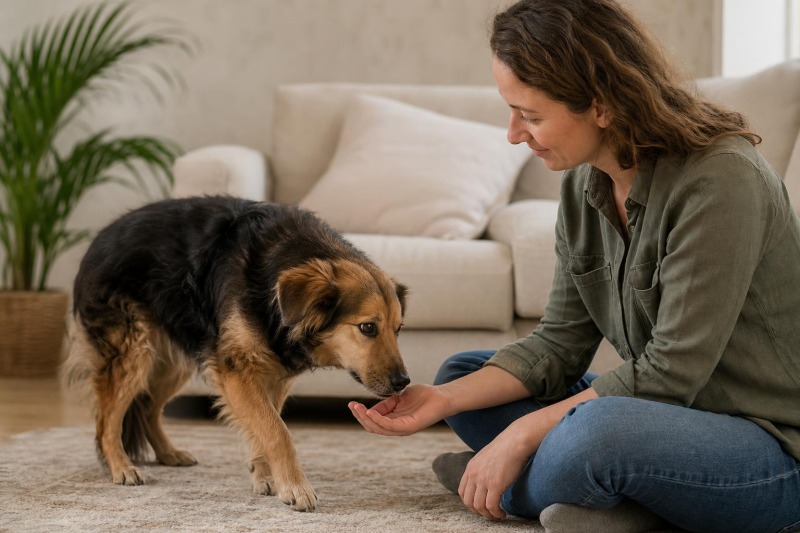
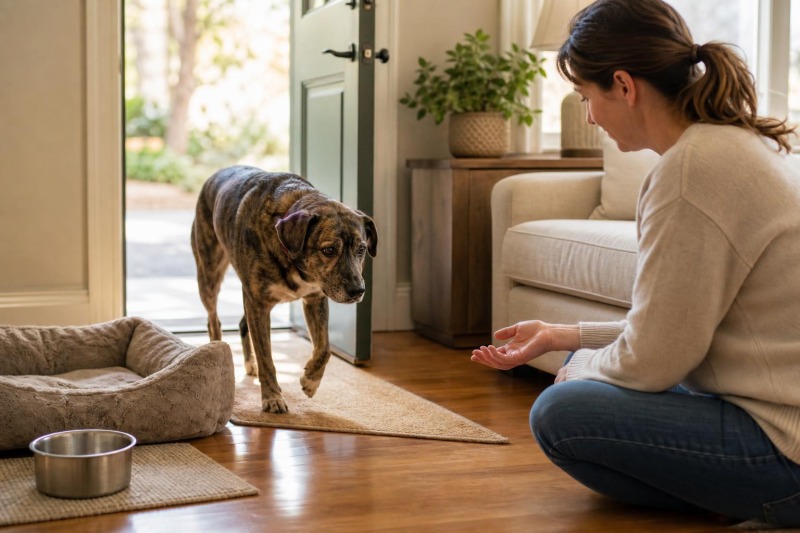
Some dogs show that stress by shutting down. They hide under tables, avoid eye contact, and move through the house like a shadow. Others go the other direction and become clingy from the start, following you from room to room and panicking when you leave. Both reactions come from the same place: insecurity. Building trust with a rescue dog takes calm repetition. Feed on schedule, keep your movements predictable, and avoid crowding the dog before it is ready. The dogs that seem cold in the beginning are often the ones that form the deepest bond once they finally decide you are safe.
How patience shapes the bond
A good rescue dog owner learns to watch small signs. A sigh on the dog bed. A loose tail wag instead of a stiff one. Choosing to lie near your chair instead of in the next room. Those are the early wins. You do not force trust in a dog any more than you force a nervous horse to settle. You show up the same way, day after day, until the animal stops expecting trouble.
Fear and Anxiety in New Environments
Fear is at the center of many rescue dog behavior problems. Loud trucks, doorbells, men with deep voices, children moving fast, slick floors, crates, leashes, vacuum cleaners, or being touched near the collar can all trigger a reaction. Sometimes the reason is obvious. Sometimes you never learn the full story. What matters is what the dog is doing now and whether that fear can be managed and improved.
Separation anxiety is especially common. A dog that has already lost one home may react hard when left alone, even for a short time. That can mean barking, whining, destructive chewing, pacing, drooling, or attempts to escape. This issue can wear owners down fast, especially those living in apartments or trying to prepare a dog for therapy work where emotional steadiness matters. Start with short departures, not dramatic goodbyes, and reward calm behavior. For serious cases, a qualified trainer or veterinary behavior professional can make all the difference.
Rescue dogs also tend to go through a decompression period. Many owners have heard of the rule of threes: roughly three days to start settling, three weeks to learn the routine, and three months to feel more at home. It is not a law of nature, but it helps people understand that the dog they bring home on day one may not be the same dog they see in a few months. Early fear, overexcitement, or perfect shutdown behavior can all shift as the dog relaxes enough to show its real temperament.
House Training Problems and Indoor Accidents
House training is another common hurdle with rescue dogs. Even adult dogs may not understand the rules of a new home. Some never had consistent training. Others were forced to eliminate in crates or small enclosures and lost the natural habit of keeping a sleeping space clean. Some are simply stressed, and stress alone can unravel otherwise decent potty habits.
The fix is not anger. It is structure. Take the dog out on a schedule, use the same exit door when possible, reward success immediately, and supervise indoors as if you were training a puppy. Too many owners assume an older rescue should know better, then give too much freedom too soon. That is a setup for accidents and frustration on both sides. If the dog backslides after doing well, it is worth ruling out medical causes like urinary tract infection, digestive issues, or parasites, which are not uncommon in dogs with uncertain backgrounds.
Leash Reactivity and Poor Social Skills
A rescue dog may be friendly at heart and still be a handful on leash. Lunging, barking, spinning, or freezing when other dogs or strangers appear is a frequent complaint. Sometimes people call it aggression when it is really fear, frustration, or plain lack of social experience. A dog that missed early socialization may not know how to read other dogs well. Another may have been attacked before. Another may have spent months confined and now explodes with energy the moment the world comes into view.
This is where a lot of folks get discouraged, especially if they hoped for a dog that could become a therapy dog or blend easily into public spaces. The hard truth is that not every rescue dog has the temperament for therapy or service work, and that is not a failure. Plenty of excellent companion dogs are happiest living a quieter life with a predictable circle of trusted people. Still, many leash and social issues improve with measured exposure, distance management, reward-based training, and a handler who stays steady instead of tightening the leash and bracing for trouble at every sighting.
When expectations need adjusting
A dog does not need to be public-facing to be valuable. Matching the dog to the right job matters more than trying to force the wrong job onto the dog.
Mouthiness, Chewing, and Destructive Behavior
Destructive behavior in rescue dogs usually has a cause. Boredom, anxiety, teething in younger dogs, lack of exercise, and confusion about what is appropriate to chew all play a role. It can look spiteful if you come home to a mess, but dogs are not sitting around planning revenge. They are coping poorly.
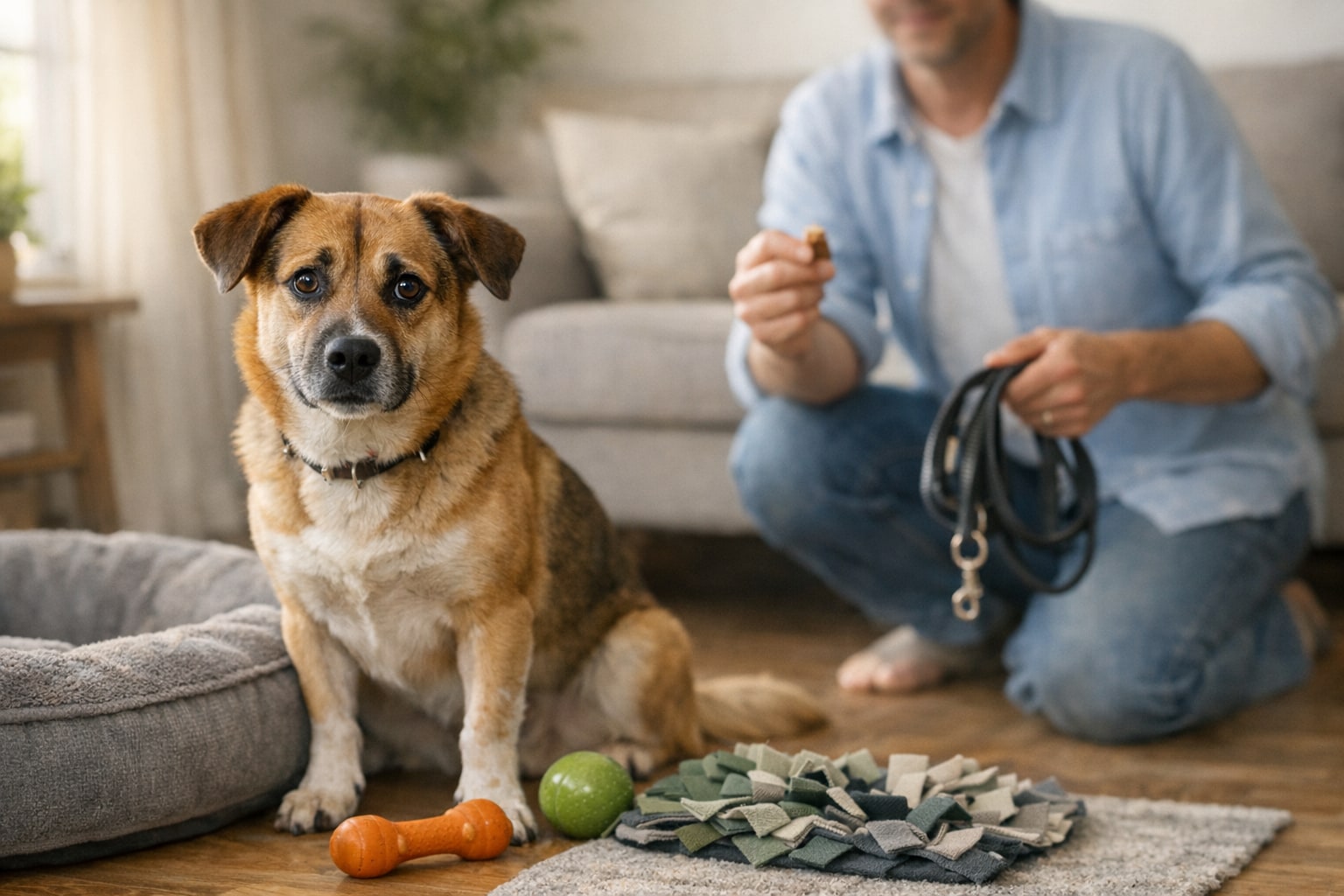
Exercise helps, but the right kind matters. A high-energy dog needs more than a quick lap in the yard. Scent games, training sessions, chew outlets, and structured walks give the dog a way to use its brain. Many rescue dogs thrive once they have a job, even if that job is as simple as learning a place command, carrying a toy on a walk, or practicing calm greetings at the front door. Purpose steadies a dog.
Health Issues You May Not See at First
Some rescue dog challenges are behavioral, but others are physical and can masquerade as bad behavior. Ear infections can make a dog head-shy. Dental pain can make it irritable. Skin allergies can keep it restless. Undiagnosed orthopedic pain can make it refuse stairs, avoid jumping into the car, or snap when touched. If a rescue dog is struggling, a thorough veterinary check should be part of the plan from the beginning.
This matters even more for anyone thinking about a rescue dog as a therapy dog or service dog prospect. Soundness, stability, and health are part of the foundation. A dog cannot do advanced work comfortably if it is carrying untreated pain, chronic illness, or weak nerves. Sometimes what looks like stubbornness is just discomfort.
The Challenge of Training a Dog with a Past
Training a rescue dog is often less about teaching commands and more about untangling old patterns. The dog may have learned that grabbing food is the only way to eat. It may panic in a crate because one was once a punishment box. It may resist handling because hands used to mean rough treatment. In those moments, progress can feel slow, but slow does not mean hopeless.
Clear markers, simple routines, and fair boundaries go a long way. Rescue dogs need to know what earns reward and what the household rules are. They also need grace while they learn. Good training is not soft, and it is not harsh. It is consistent. A dog can handle a firm standard if the standard makes sense and the handler is honest about it. That kind of training produces the best companion dogs and reveals whether a dog has the emotional balance for more demanding therapy or service tasks.
Why Some Rescue Dogs Bloom Later Than Others
Months later he was the first one to settle by the hearth, chin on his paws, watching every move in the house like an old hand. He never became a dog for crowded public events, but he became rock solid where it counted. That is often how rescue dogs win you over. Not all at once. Piece by piece.
Some dogs improve fast. Others take a season or more. The pace depends on genetics, past experience, your home, your skill, and the support you bring in. What matters most is staying realistic while giving the dog a fair shot. Rescue dogs can become extraordinary companions, but they are not instant dogs. They are earned through time, observation, and steady leadership.
The common challenges with rescue dogs usually come down to trust, fear, communication, health, and expectations. If you walk into rescue ownership knowing that, you are already ahead of the game. For families seeking a companion dog, and for those exploring whether a dog might one day fit therapy work or service work, honesty matters. Choose the dog in front of you, not the story you hope to tell about it.
When handled with patience and common sense, many rescue dogs become the kind you would not trade for anything. They may come with rough edges, but they also come with heart.