Therapy-dog organizations set their own evaluation and participation requirements. A certificate from one program does not create general public-access rights or replace permission from the facility being visited.
At Companion Dog Central, this is one of the most common points of confusion for people exploring the world of therapy dogs, service dogs, and companion dogs. Many families want a dog that brings comfort. Many owners believe their friendly dog would be perfect for visits. Some are right. Some need a little more groundwork. Therapy dog certification is not about proving your dog is sweet at home. It is about showing your dog can do good in public settings without becoming stressed, reactive, overexcited, or unsafe.
What Therapy Dog Certification Actually Means
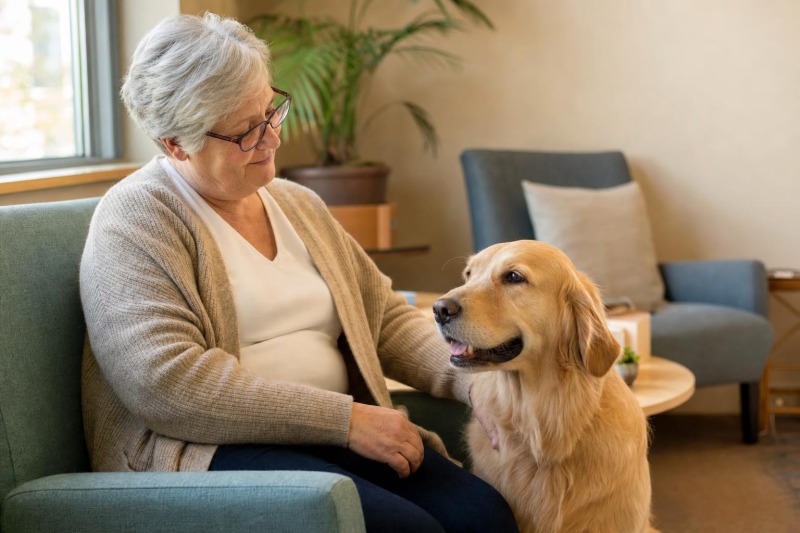
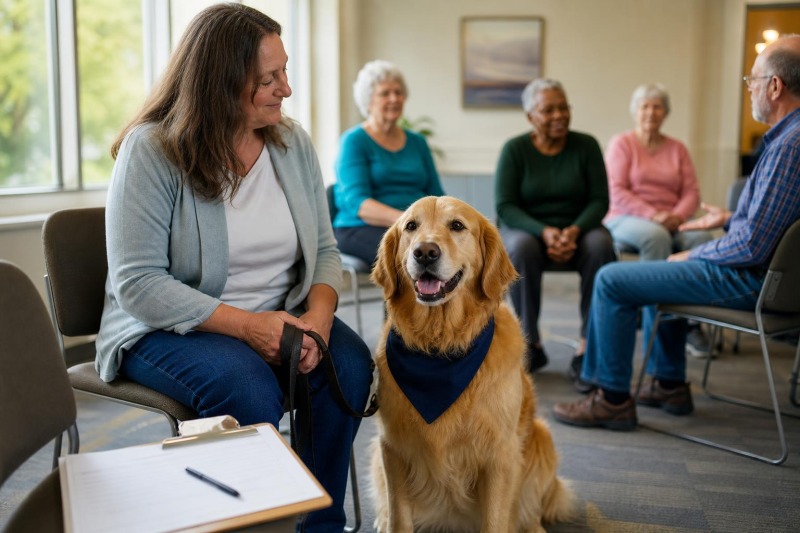
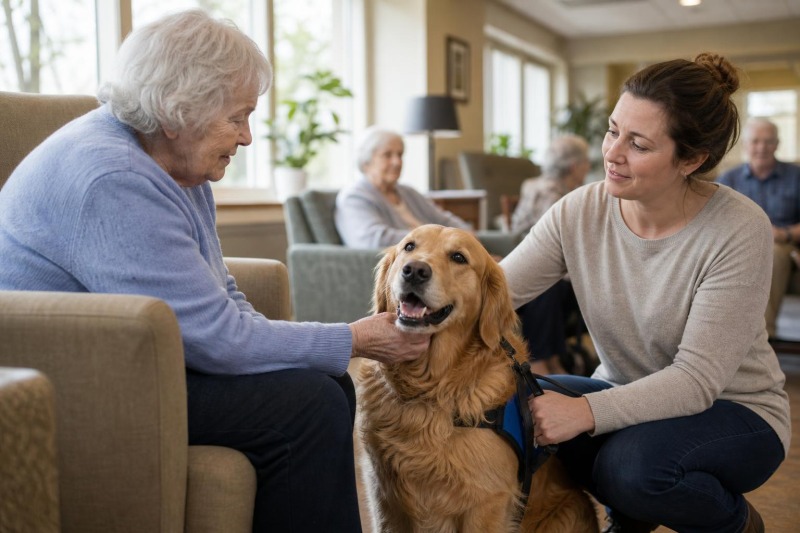
A therapy dog is trained and evaluated to visit people in places like hospitals, nursing homes, schools, rehabilitation centers, libraries, and crisis response settings. The dog provides comfort, emotional support, and a calming presence to others. Unlike a service dog, a therapy dog is not trained to perform specific disability-related tasks for one handler. That difference matters, both legally and practically.
When people talk about certification, they are usually referring to passing an evaluation through a recognized therapy dog organization. Some groups use the word certification, some use registration, and some focus on evaluation and membership. The language may differ, but the purpose stays about the same: confirming that the dog and handler team can safely and appropriately participate in therapy visits.
This is where a lot of folks get turned around. There is no single federal government-issued therapy dog certificate in the United States. Instead, reputable therapy dog organizations establish standards, require testing or observation, and often provide insurance coverage for approved visiting teams. That means the best path is not buying a certificate online. It is earning approval through a respected group that takes behavior and public safety seriously.
Why Temperament Matters More Than Tricks
A therapy dog does not need to be flashy. It needs to be stable.
The ideal therapy dog is social without being pushy, calm without being shut down, and responsive without needing constant correction. Good therapy dogs tolerate odd movements, loud environments, medical equipment, unfamiliar people, and interruptions. They do not lunge for attention, panic under pressure, or insist on controlling the room. That kind of temperament is worth more than a dozen cute tricks.
How Therapy Dogs Differ From Service Dogs and Companion Dogs
This is a subject every owner should understand before starting the certification process. A therapy dog works with a handler to help other people. A service dog is specifically trained to assist one person with a disability by performing tasks directly related to that disability. A companion dog, meanwhile, offers comfort and friendship in the home but does not carry the same public access role or task-based training.
Because of that difference, therapy dogs do not have the same public access rights as service dogs. A certified therapy dog cannot simply go everywhere a service dog can go. Therapy dogs are invited into approved facilities or programs. Service dogs, when they meet legal requirements, accompany their disabled handlers in public places covered by law. That distinction is important for ethics, for safety, and for protecting the credibility of truly working dogs.
The Usual Steps in Therapy Dog Certification
Most therapy dog organizations want to see a dog that is healthy, mature enough for the work, current on vaccinations or veterinary requirements, and able to behave reliably around strangers and distractions. Many also want the handler to demonstrate good control, clear communication, and an understanding of visit etiquette. In some cases, you may need to complete a basic obedience test first. In others, the therapy evaluation stands on its own.
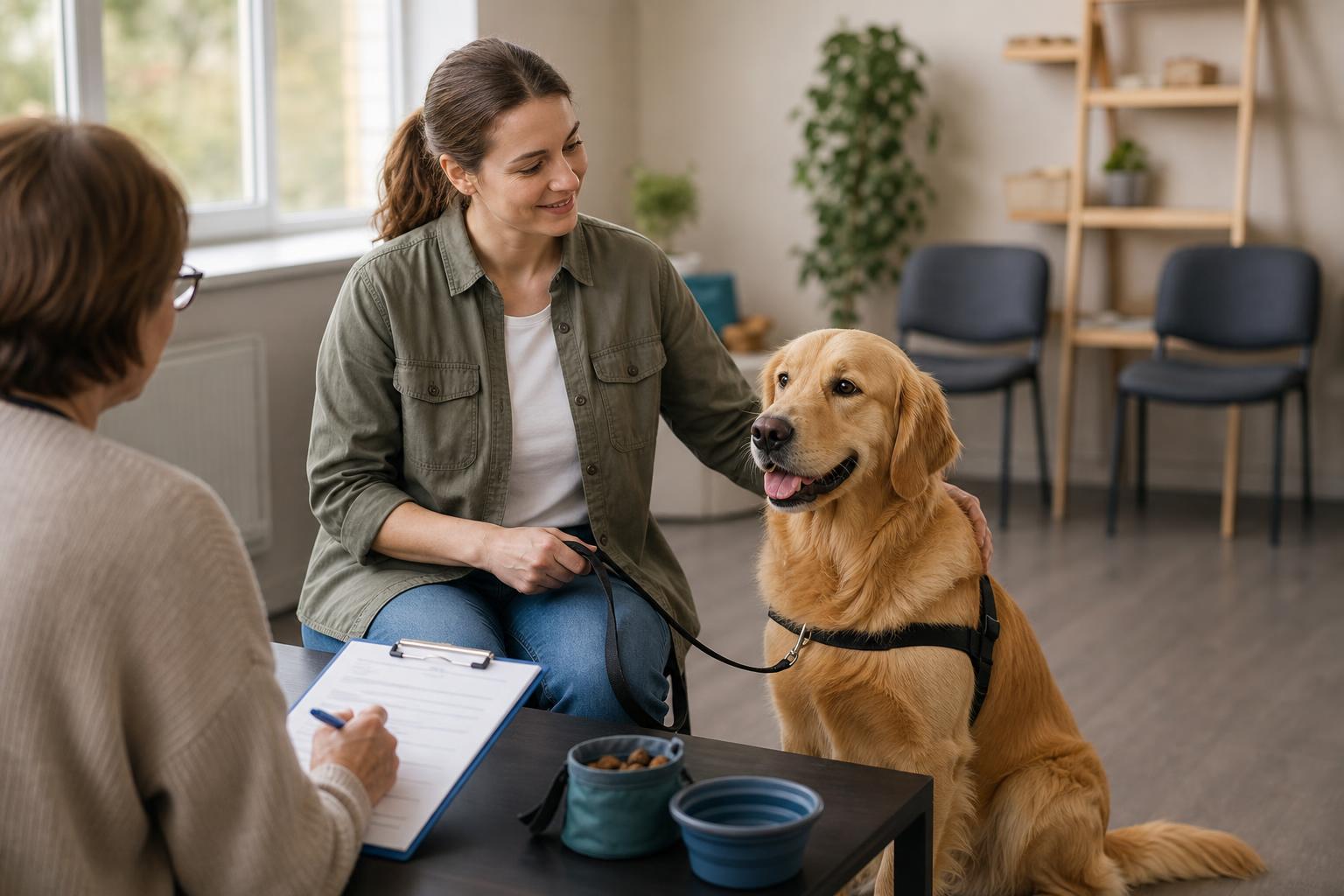
Many programs begin with temperament screening. After that, the dog and handler may be tested in situations that resemble real therapy visits. The evaluator may observe how the dog reacts to petting from strangers, awkward handling, loud noises, medical devices, or unusual movement. They may watch how well the dog walks on leash, settles beside the handler, ignores food on the floor, and remains calm around other dogs. The handler is often judged too, because a therapy visit is a team effort. A calm dog with a careless handler is still a poor fit.
Some organizations also require supervised visits before granting full approval. That can be a blessing. A staged test is one thing. A real visit is another. In the field, you learn quickly whether your dog truly enjoys the work or merely tolerates it. The best therapy dogs lean into the job with quiet confidence. They soften around people. They recover quickly from surprises. They do not just endure the visit. They contribute something meaningful to it.
Do You Need Formal Training First?
Formal training is not always mandatory, but it is often the smartest road. A well-run obedience class helps polish leash manners, impulse control, and focus around distractions. A class built for canine good citizen skills or therapy dog preparation can be especially valuable. It puts your dog in controlled situations before you ask for performance in sensitive public settings.
A rushed dog may pass a test and still fail the work. Give the dog time to mature. Expose it to wheelchairs, walkers, busy hallways, clapping hands, dropped objects, and people who move unpredictably. Build positive experiences. Keep sessions short and clean. Confidence grows from repetition done right.
What Evaluators Usually Look For
Though standards vary by organization, certain qualities come up again and again. Evaluators want to see that the dog can be approached by strangers without showing fear or overexcitement. They want to see polite handling, decent leash control, and the ability to remain composed in crowded or unfamiliar environments. Startle recovery matters a great deal. Any dog can flinch. A suitable therapy dog settles quickly and looks to the handler for guidance.
Cleanliness and grooming matter too. So does physical health. A dog visiting vulnerable people must be well cared for, free from illness, and pleasant to handle. Facilities may have their own screening requirements, and those standards should never be treated lightly. Therapy work is heartwarming, but it is still serious work done in places where health and safety come first.
Handlers should also understand body language. This is one area where many good-hearted people come up short. They see a wagging tail and assume the dog is happy. Sometimes that dog is stressed, overstimulated, or conflicted. A skilled handler notices lip licking, yawning, tucked posture, avoidance, hard staring, or a change in breathing before trouble starts. Good therapy teams advocate for the dog as much as for the people being visited.
Choosing a Reputable Therapy Dog Organization
Not all certificates are worth the paper they are printed on. If a website promises instant therapy dog certification with no evaluation, no standards, and no real screening, walk away. That kind of shortcut does nothing to prepare you for actual visits, and many facilities will not accept it anyway.
Look for organizations with a real application process, clear testing standards, insurance options, handler guidance, and established relationships with facilities. A credible program should explain what the dog must demonstrate, what the handler is responsible for, and how visits are conducted. It should also be upfront about the limits of therapy dog status. Honest organizations do not blur the line between therapy dogs, emotional support animals, and service dogs.
How to Know if Your Dog Truly Enjoys Therapy Work
This may be the most important question of all. Some dogs love people but hate chaos. Some dogs tolerate petting but dislike being crowded. Some do beautifully for ten minutes and then begin to fade. There is no shame in learning that your dog is a wonderful companion but not a natural therapy dog. Not every good dog is suited for every job.
They tell you what they can handle if you are willing to watch. A dog that leans in softly, relaxes after greetings, remains interested without getting wild, and recovers from surprises is telling you it may be ready. A dog that shuts down, avoids contact, pants hard, scans the room, or becomes frantic is telling you something else. Listen early, and you will save the dog a lot of strain.
Therapy dog certification is not a gimmick, and it should never be treated like one. At its best, it is a careful process that protects facilities, handlers, and most of all the dogs themselves. A certified therapy dog team can bring real comfort to people facing loneliness, illness, fear, or grief. That kind of work is noble, but it demands honesty and preparation.
If you are considering this path, start with the dog in front of you. Build obedience, polish social skills, and expose the dog to the world with patience. Learn the difference between a dog that is merely friendly and one that is genuinely suited for therapy settings. Find a respected organization, take the standards seriously, and do not chase shortcuts. When it comes together the right way, therapy work is one of the finest partnerships a dog and handler can share.