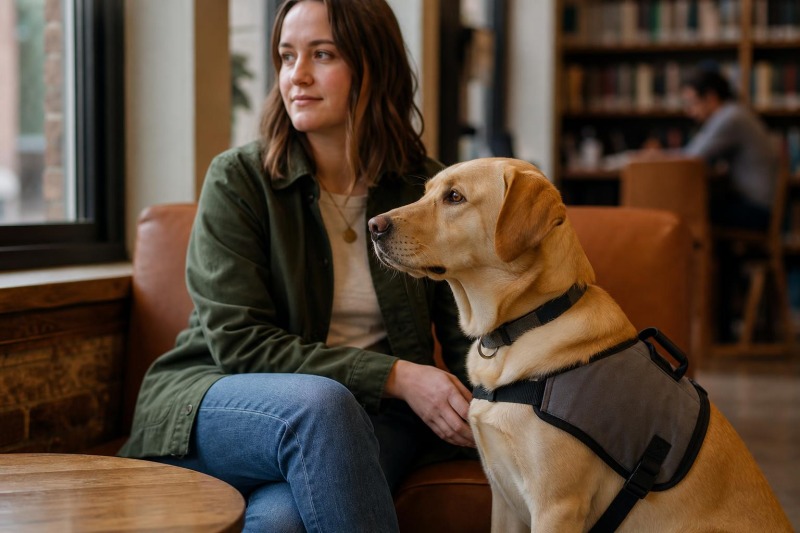
Diabetic alert dogs are trained to respond to selected changes associated with blood glucose. Their performance varies, and a dog should be considered within a clinician-supported diabetes plan rather than a replacement for monitoring.
These dogs are not simply pets with a neat trick. A well-trained diabetic alert dog is a working service animal taught to recognize changes in a person’s body chemistry associated with rising or falling blood sugar. In the right hands, with proper training and realistic expectations, these dogs can offer another layer of safety, confidence, and independence. For many families, they become as essential as any other medical support tool in the home.
If you are trying to understand whether a diabetes detection dog is right for you or someone you love, it helps to start with a clear picture of what these dogs do, how they do it, and what life with one really looks like day to day.
What Is a Diabetes Detection Service Dog?
A diabetes detection service dog, often called a diabetic alert dog, is trained to identify scent changes linked to blood glucose shifts. When blood sugar drops too low or climbs too high, the human body can release subtle chemical changes through breath and sweat. A dog’s nose is capable of picking up scents so faint that most of us cannot begin to imagine them. It is that natural ability, sharpened through careful training, that allows these dogs to alert their handler before a situation becomes dangerous.
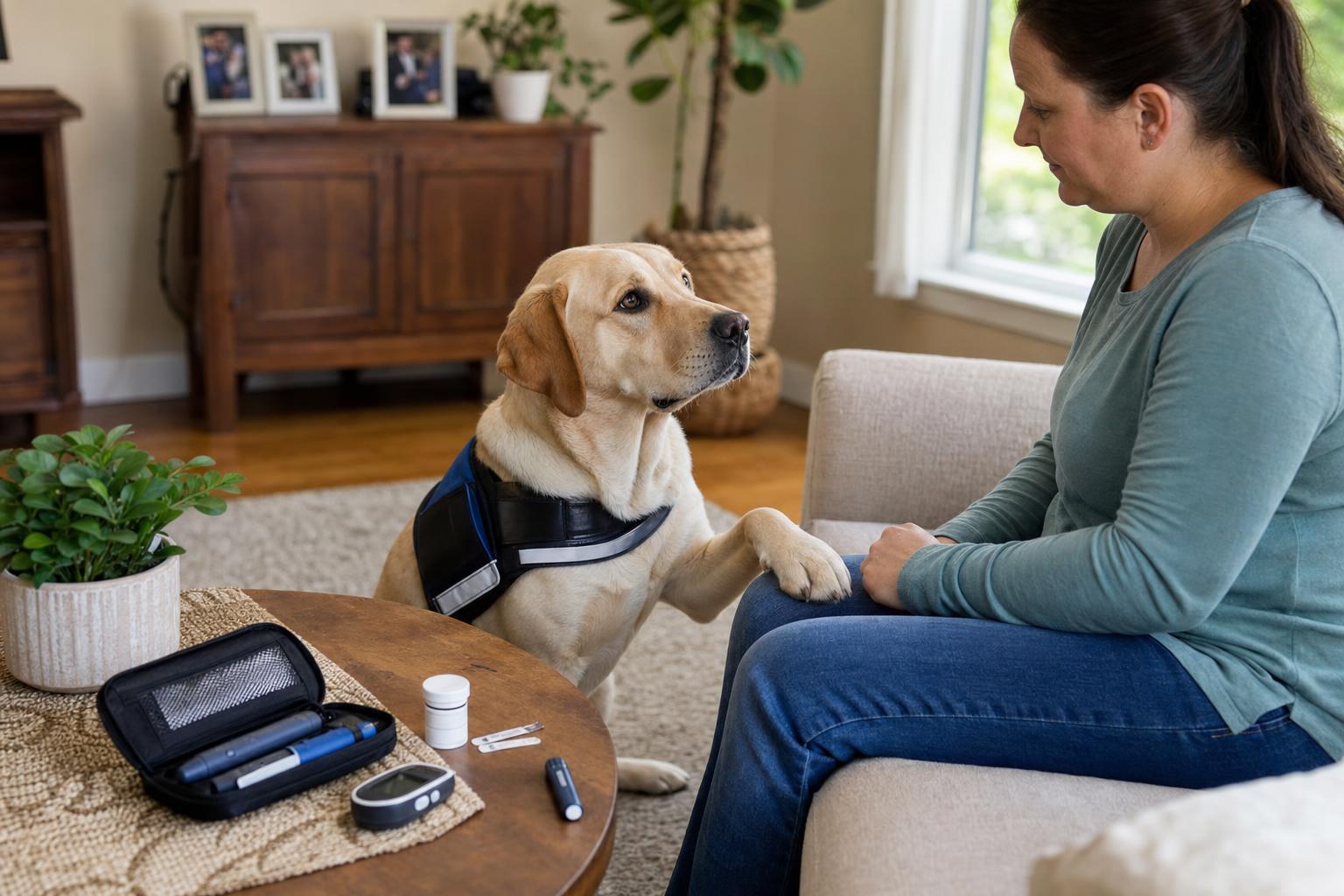
The alert itself may look different from dog to dog. Some paw at a leg. Some nudge a hand. Others fetch a testing kit, seek another family member, or remain persistent until the handler responds. The exact behavior is trained with purpose. The point is not just to get attention, but to create a reliable signal that says something is off and action needs to be taken.
For children, adults, and even seniors managing diabetes, this kind of warning can be a real comfort. It does not replace medical testing or professional care, but it can add a living, breathing layer of support that rides beside a person through ordinary days and unexpected moments alike.
How These Dogs Detect Blood Sugar Changes
Out in the field, a seasoned hunting dog can sort one scent from a thousand others drifting through brush and damp earth. A diabetes detection dog works on that same principle of scent discrimination, only the target is a shift in the handler’s odor profile. Trainers typically teach the dog using scent samples collected during episodes of low or high blood sugar. Over time, the dog learns that a specific scent earns a reward and, more importantly, requires a response.
That is where the science meets the relationship. A dog may first learn the scent in training, but the reliability often deepens once the dog is living closely with the handler. Dogs are students of routine. They notice habits, body language, and timing. Combined with scent work, that close partnership can make an alert dog incredibly tuned in to the person they serve.
Who Can Benefit From a Diabetic Alert Dog?
Service dogs for diabetes detection can help a wide range of people, though they are not the right fit for every household. They are often matched with individuals who have Type 1 diabetes, especially those who experience hypoglycemia unawareness or have frequent dangerous blood sugar swings. Parents of children with diabetes may also seek a diabetic alert dog for added peace of mind, particularly during the night when lows can slip in quietly.
Adults with busy work lives, college students living away from home, and older individuals who live alone may also benefit. The value is often more than medical. A lot of handlers talk about the emotional relief that comes from not feeling like they are facing every blood sugar change by themselves. A good service dog brings a calm presence into the room, and that matters more than many folks realize.
Still, a service dog is not a shortcut. It takes time, consistency, money, and daily care. Anyone considering one should be honest about lifestyle, energy level, and ability to maintain the dog’s training over the long haul.
Training a Service Dog for Diabetes Detection
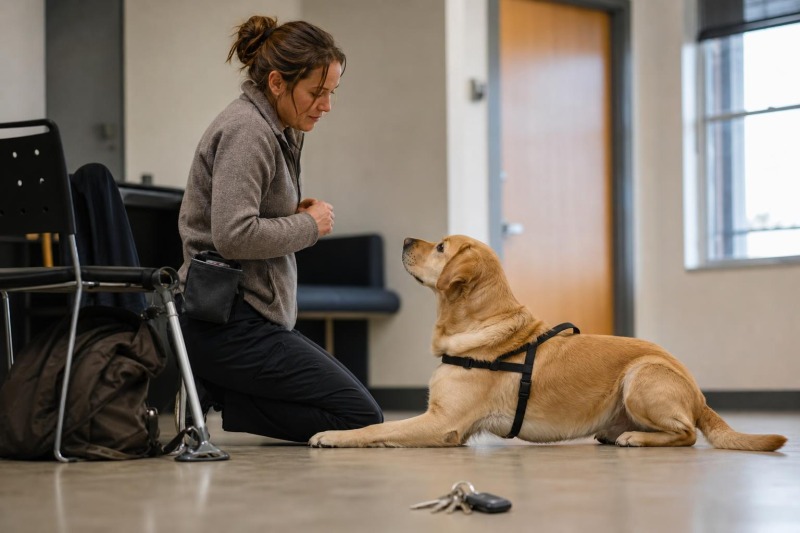
Training a diabetic alert dog is serious work. This is not the sort of thing where a smart house dog learns one or two cues and is ready to go. Service dog training usually includes early socialization, obedience under distraction, public access manners, scent discrimination, alert behavior, and task work specific to the handler’s needs.
A reliable dog must be steady in stores, calm in waiting rooms, quiet in restaurants, and focused in a crowd. That level of consistency does not happen by accident. It is built over months, and often years, of structured practice. Some dogs are trained by specialized service dog organizations. Others are owner-trained with professional guidance. In either case, the goal is the same: a dog that can work safely, confidently, and reliably in real life.
Temperament Matters as Much as Nose
Plenty of dogs have a fine nose, but not every dog has the mind for service work. A diabetes detection dog should be stable, biddable, people-safe, and able to recover quickly from stress. They need enough drive to work, but not so much that they become frantic or distracted. A dog with the right head and heart will always outperform one chosen on scent ability alone.
That is why reputable programs pay close attention to breeding, health, and temperament. Labrador Retrievers, Golden Retrievers, Poodles, and mixes with similar working qualities are common choices, though breed alone never guarantees success. The individual dog matters most.
What a Diabetes Alert Dog Can and Cannot Do
There is a temptation to paint these dogs as miracle workers, but honest guidance serves people better. A trained diabetic alert dog may detect scent changes and alert before a glucose monitor alarm sounds, or before the handler feels symptoms. Some dogs are remarkably accurate. Others are helpful but less consistent. Even excellent dogs can miss an alert sometimes, especially if they are tired, sick, distracted, or not properly maintained in training.
That means these dogs should be viewed as part of a larger diabetes management plan, not a replacement for glucose testing, continuous glucose monitors, medication, or physician guidance. The best results come when a handler respects the dog as one more valuable tool in the kit.
What they can do, and often do beautifully, is reduce fear, increase awareness, and offer practical help in daily life. A dog that wakes a sleeping child’s parent, nudges a handler before a low becomes severe, or fetches a testing pouch has done something mighty important.
Life at Home With a Service Dog
Bringing a service dog into the home changes the rhythm of daily life. These dogs work, but they are still dogs. They need exercise, grooming, veterinary care, mental stimulation, and affection. They need handlers who understand that even a highly trained dog must be reinforced and cared for every day.
Feeding times stay steady. Practice sessions are folded into ordinary life. The dog learns when it is on duty and when it can rest. That kind of structure creates confidence in the dog and trust in the handler. Without it, even a talented dog can get rusty.
Families also need to be on the same page. A service dog should not be treated like a toy for visitors or a free-for-all pet for every child in the house. Respecting the dog’s job is part of protecting the handler’s safety.
Choosing the Right Program or Trainer
If you are looking for a diabetic alert dog, take your time. A reputable trainer or organization should be transparent about training methods, placement process, costs, follow-up support, and realistic expectations. Be wary of anybody making grand promises about perfect accuracy or unusually fast placement with little evaluation. A good dog takes time, and a trustworthy program will say so plain.
Ask how dogs are selected, how alerts are proofed, what support is offered after placement, and whether the dog is trained for public access as well as scent work. It is also wise to ask for references and to spend time observing how the dogs behave. A polished sales pitch means little if the dog cannot settle quietly, ignore distractions, and work dependably around people.
Cost and Commitment
Service dogs for diabetes detection can be expensive. Between breeding, raising, training, medical care, and placement support, the cost reflects serious labor and expertise. Some nonprofit groups offer assistance or fundraising guidance, but even then, the ongoing responsibility remains with the handler. Food, routine veterinary care, gear, and continued training all add up.
That said, families who find the right match often say the value reaches beyond dollars. Safety has weight. Independence has weight. Peace of mind in the middle of the night has weight too.
Are Service Dogs for Diabetes Detection Worth It?
For the right person, absolutely. A skilled diabetes detection dog can be a faithful working partner and a source of steady reassurance in a condition that can turn serious in a hurry. There is comfort in knowing a living creature is tuned in, watching, and ready to respond. It is the same kind of trust a person feels with a seasoned dog in any demanding work. Once that bond is built, it runs deep.
But the decision should be made with clear eyes. These dogs require commitment, patience, and continued management. They are not gadgets. They are not instant fixes. They are trained animals with real strengths and real limits. When people understand that from the start, they are in a far better position to build a successful partnership.
At their best, service dogs for diabetes detection offer more than alerts. They give people confidence to move through the world with a little less fear and a little more freedom. That is no small thing.