Seizure response and advance seizure alerting are different claims. Prospective handlers should ask programs exactly what they train, how performance is assessed, and what support follows placement.
There is a lot of curiosity around these dogs, and plenty of misunderstanding too. Some people use the terms seizure alert dog and seizure response dog like they mean the same thing. They do not. Others assume every dog can somehow sense a seizure coming. That is not true either. If you are trying to understand what these dogs do, whether for yourself, a loved one, or simply because you want to learn more about service dogs, it helps to start with the basics and work from there.
What Is a Seizure Alert Dog?
A seizure alert dog is a specially trained service dog that appears able to recognize signs that a seizure may be coming before it happens. In some cases, the dog alerts minutes ahead of time. In others, the warning may be shorter. The alert itself can look different from dog to dog. Some paw at a person’s leg, some nudge insistently, some bark once and hold close, and some return again and again until they get a response.
The value of that warning can be tremendous. If a person has time to sit down, move away from stairs, call for help, take prescribed action, or get to a safer place, the risk of injury may be reduced. For individuals whose seizures come without much warning, that little window of time can mean the difference between a close call and a dangerous fall.
Still, it is important to be honest and practical here. Seizure alert is not fully understood by science, and not every dog can do it. Some dogs seem to naturally notice subtle changes in body odor, movement, behavior, or chemistry. Others can be shaped into reliable response work after showing that natural awareness. But no ethical trainer should promise that every dog can be trained to predict seizures on command.
Seizure Alert Dogs vs. Seizure Response Dogs
This is where many folks get turned around. A seizure alert dog is believed to warn before a seizure occurs. A seizure response dog is trained to help during or after the seizure. Both can be service dogs, and both can be deeply valuable, but they perform different jobs.
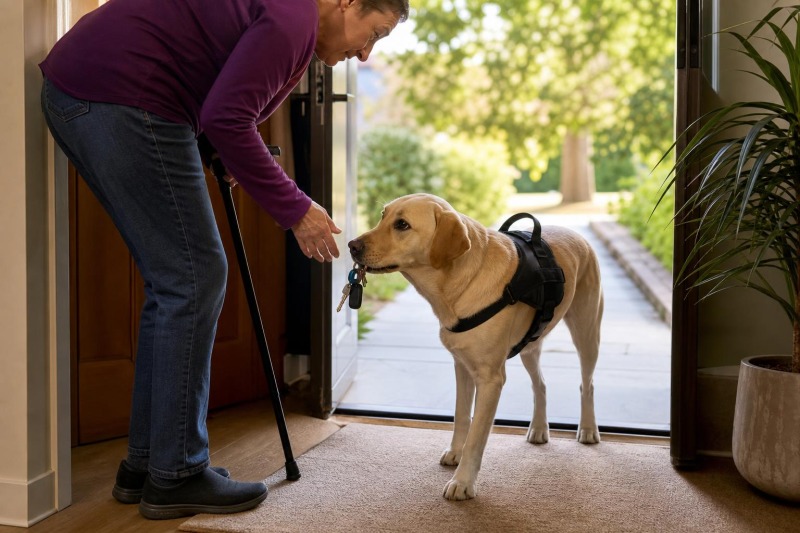
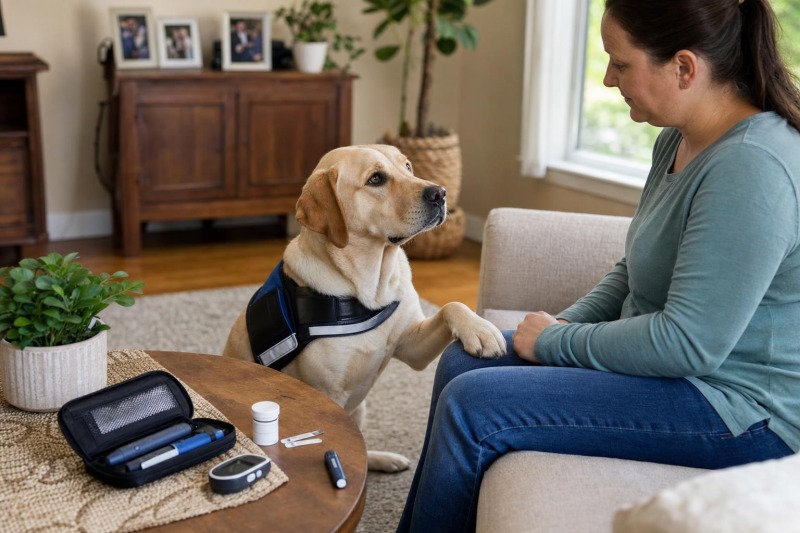
A seizure response dog may stay beside the handler during the episode, provide body support after the event, retrieve medication, activate an alert system, fetch another family member, or help create a protective space. Some dogs are trained not to interfere physically during the seizure itself, especially if doing so could put the dog or handler at risk. The work is tailored to the individual’s medical needs and daily life.
Now and then, one dog can do both. A naturally alerting dog may also be trained for response tasks. That combination is powerful, but it should never be assumed. When folks go looking for a dog, they need to ask clear questions and understand exactly what work the dog is trained to perform.
Why the Difference Matters
The difference matters because expectations matter. Families who are desperate for help can be vulnerable to big claims and polished sales talk. If someone is paying for a service dog, they deserve plain truth. A dog trained to respond after a seizure can still be a tremendous support even if it does not provide advance warning. That is not a lesser dog. It is a dog doing skilled, meaningful work.
How Do Seizure Alert Dogs Know?
That is the question everybody asks, and the honest answer is that we do not know everything yet. There is growing belief that some dogs detect subtle physical changes before a seizure begins. Those changes may involve scent, body chemistry, muscle tension, posture, breathing, or patterns of behavior so slight another human would miss them entirely.
If you have spent enough time around good dogs, this idea does not feel far-fetched. Dogs live through their noses and through close observation. A dog that has bonded tightly with its person can learn the rhythms of that person’s body in a way that is hard to put into words. Hunters know that feeling well. A seasoned dog reads a situation before the handler ever catches up. It is not mystery so much as remarkable sensitivity sharpened by instinct and experience.
Even so, research is ongoing, and seizure alert remains less predictable than many people think. Some dogs consistently alert one individual and no one else. Some begin by naturally alerting and later receive structured reinforcement so the behavior becomes clearer and more dependable. That is why reputable programs are cautious in how they describe their dogs’ abilities.
Who Can Benefit from a Seizure Alert Dog?
These dogs may help adults or children with seizure disorders, especially those who have recurring episodes and face real safety concerns in daily life. For someone who lives alone, works outside the home, or experiences seizures that lead to falls, confusion, or injury, a well-trained dog can add both practical support and confidence. Parents of children with epilepsy may also find comfort in having a dog that is taught to stay close, seek help, or respond in a trained manner.
But a seizure alert dog is not right for every person with seizures. The handler or household has to be able to care for the dog properly, maintain training, manage public access demands, and understand that a service dog is still a living animal with needs of its own. There also has to be a legitimate medical basis for the dog’s tasks. These dogs are working partners, not miracle tools pulled off a shelf.
Emotional Support vs. Trained Service Work
It is also worth drawing a line between emotional comfort and task-trained service work. A beloved companion dog may bring peace during hard times, and that matters. But for a dog to be considered a service dog in the legal sense, it must be trained to perform specific tasks related to a disability. In the case of seizure disorders, that could include alerting, retrieving medication, getting help, or assisting during recovery.
How Seizure Alert Dogs Are Trained
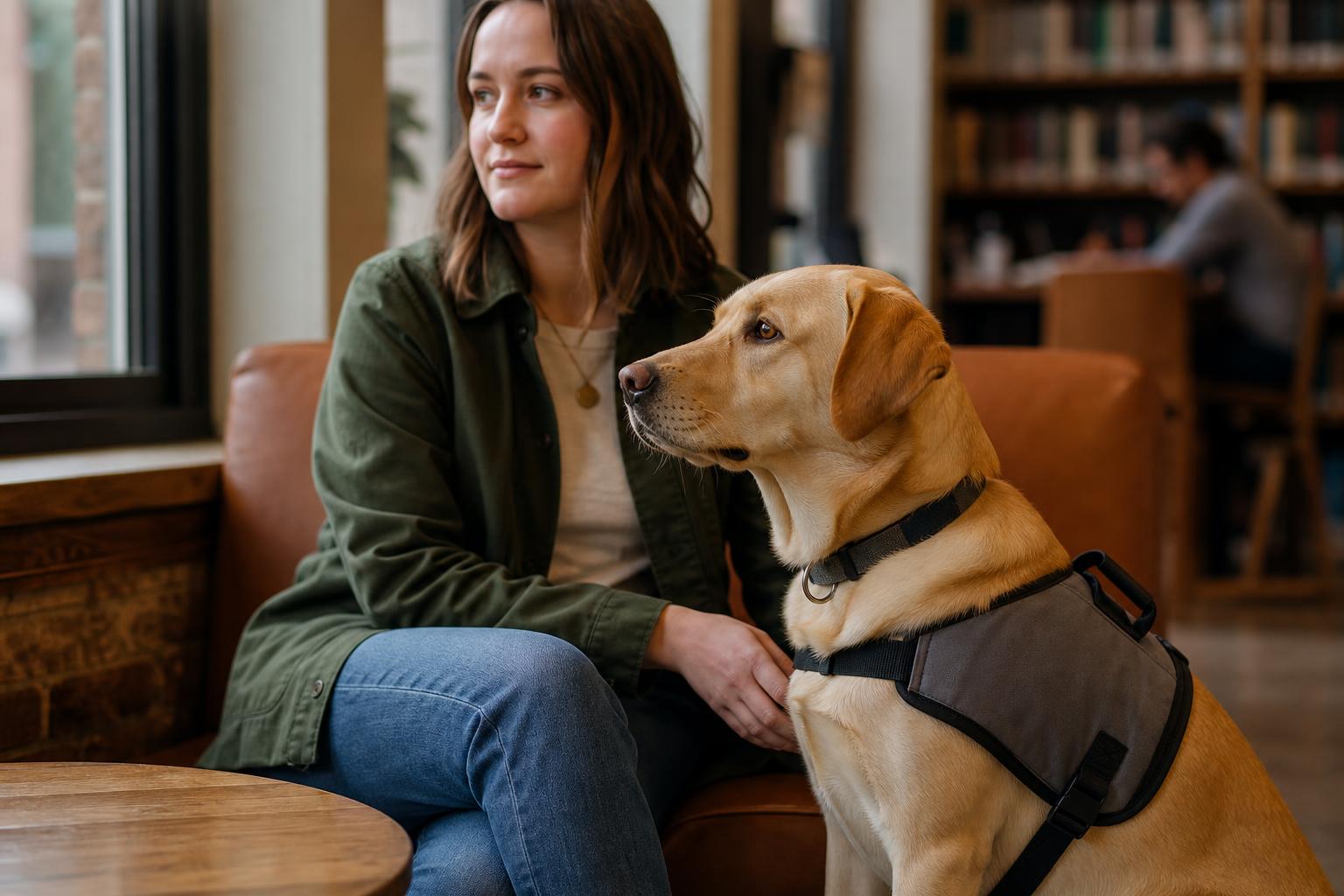
Training usually begins with the same foundation every solid service dog needs. The dog must be stable in temperament, highly responsive, comfortable in different environments, and able to work calmly in public. Obedience comes first. Manners matter. A dog can have all the heart in the world, but if it cannot settle under a table, ignore distractions, and stay focused in a grocery store or doctor’s office, it is not ready for service work.
From there, task training becomes more specialized. In the case of seizure response, trainers may teach the dog to remain with the handler, press a medical alert button, fetch a phone or medication pouch, or find another person in the home. Seizure alert training is trickier because it often depends on a dog already showing a natural ability to notice pre-seizure changes. When that happens, trainers may reinforce the behavior so the alert becomes consistent and easy to recognize.
Not every promising dog makes it through the full process. That is normal. Service work calls for uncommon steadiness. The best trainers do not force a dog into a role that does not fit. They watch carefully, just like a careful handler watches a young dog in the woods, looking for what is genuine and what is only wishful thinking.
What to Know Before Getting One
If you are considering a seizure alert dog, slow down and do your homework. Ask whether the dog is trained for alert, response, or both. Ask what proof or history supports the alerting behavior. Ask about placement support, follow-up training, public access preparation, and whether the dog has experience working with the specific kind of seizure disorder involved.
Cost, time, and lifestyle all matter too. A fully trained service dog can be expensive, and even a well-trained dog requires ongoing practice and care. Grooming, veterinary bills, food, exercise, and routine structure do not disappear because the dog has a job. In fact, a working dog often needs even more thoughtful management than the average pet.
There is also the matter of fit. The right dog should match the handler’s pace, home life, and support system. A dog that thrives in a quiet rural setting may struggle in a busy city apartment, while another may handle crowds and travel just fine. Temperament is every bit as important as task skill.
Questions Families Should Ask
Good questions can save heartache. Ask how the dog was selected. Ask what tasks are reliable today, not what might happen someday. Ask how the transition into the home will be handled. If children are involved, ask how everyone will be taught to respect the dog while it is working. A trustworthy provider will welcome those questions instead of dancing around them.
Life With a Seizure Alert Dog
When the pairing is right, life with one of these dogs can be a steadying thing. Not perfect. Not simple. But steady. The dog becomes part guardian, part teammate, part daily rhythm. There is comfort in that. A handler may walk into the world with a little less fear, knowing there is a trained partner paying attention. Families often describe improved independence, greater confidence, and peace of mind that is hard to measure on paper.
That said, there are hard days too. Service dogs draw public attention. They need routine. They can get sick, age, and eventually retire. A person relying on a seizure dog should plan for the long haul, not just the hopeful beginning. It is a working relationship built on trust, training, and care from both sides.
Seizure alert dogs deserve respect precisely because they are not gimmicks. At their best, they are carefully trained partners whose work can make daily life safer and more manageable for people living with seizures. Some appear able to sense trouble before it arrives. Others respond skillfully once a seizure begins. Either way, a well-matched dog can provide practical support that reaches far beyond comfort alone.
If you are exploring this path, keep your boots on solid ground. Learn the difference between alert and response. Look for honest trainers and reputable programs. Match hope with clear-eyed expectations. A good dog can do extraordinary things, but the best outcomes come when people understand the work, respect the limits, and build the partnership the right way.