Housing policies for pets and disability-related assistance animals can follow different rules. Identify the applicable process and ask for current requirements before relying on a pet-friendly advertisement or an online certificate.
Folks who live with dogs that provide comfort, support, or essential task work have a little more to consider than the average renter or buyer. Space matters. Noise matters. Flooring matters. Access to outdoor relief areas matters. And if you have a service dog, understanding housing rights and clear communication can make the difference between a smooth move and a hard-headed fight you never should have had to pick in the first place.
Why Pet-Friendly Housing Means More Than Allowing Dogs
There is a wide difference between housing that tolerates dogs and housing that is set up well for them.
For companion dog owners, the right housing supports routine and comfort. For therapy dog handlers, it helps maintain calm behavior, cleanliness, and reliable rest between visits and work. For service dog teams, the stakes can be even higher, because the home environment needs to support the dog’s training, focus, and daily accessibility. A good home should not just make room for your dog. It should help your dog succeed there.
Start With the Neighborhood Before the Front Door
A house or apartment can look clean and polished indoors, but the surrounding area tells you how daily life will really go. Walk the neighborhood at different times of day if you can. Early morning shows you how bathroom breaks will feel. Evening tells you about noise, traffic, and whether the sidewalks stay safe and visible. Midday gives you a read on heat, foot traffic, and where dogs are actually being exercised.
Look for practical details. Are there sidewalks, shaded walking routes, and patches of grass that are actually usable? Is there constant barking from nearby yards that may keep your dog on edge? Are there loose dogs in the area? If you rely on a service dog, pay close attention to curbs, entrances, elevators, and any obstacles that might interfere with mobility or task work. A good neighborhood can make a decent property feel better. A bad one can ruin a place that looked fine in pictures.
Pay Attention to Everyday Access
One of the easiest mistakes people make is thinking about the move instead of the life that follows it. A third-floor unit may seem manageable on move-in day, but six months later, hauling groceries, medical gear, and a tired dog up the stairs can wear on you. If your dog is older, larger, or recovering from injury, access becomes even more important. Easy entry and exit, reliable elevators, and nearby relief areas are not luxuries. They are part of a workable setup.
Ask Better Questions Before You Sign Anything
Landlords and property managers are used to simple questions like whether dogs are allowed or what the pet fee costs. Those questions matter, but they are only the first pass. You want to know about breed and weight restrictions, guest policies involving animals, waste station maintenance, fencing rules, balcony safety, and noise expectations. If you have a therapy dog or service dog, ask how accommodation requests are handled and get all communication in writing.
There is no shame in being thorough. The best housing arrangements usually start with clear, respectful conversations. A landlord who answers directly and consistently is worth more than one who smiles wide but gets slippery when details come up. Good dog owners tend to be organized, and good property managers appreciate that. Show them you are responsible, and pay attention to whether they return the same respect.
Understand the Difference Between Pet Policies and Assistance Animal Rights
This is a point that deserves plain talk. Companion dogs kept as pets typically fall under pet policies, fees, and restrictions, depending on local law and housing type. Service dogs and, in some cases, other assistance animals may be treated differently under fair housing rules. That does not mean every conversation will be easy, but it does mean handlers should understand their rights and responsibilities before they apply. Keep your paperwork organized, know what can legally be requested, and stay calm if a housing provider seems confused. A steady hand settles more than a hot temper ever will.
Choose a Layout That Works for Your Dog’s Job and Temperament
Every dog is different, and housing should match the dog in front of you, not the fantasy in your head. A calm companion dog may do just fine in a smaller apartment if the routine is steady and exercise is handled well. A young dog with a lot of drive may need more space, more structure, and fewer shared walls. Therapy dogs often benefit from homes with quiet recovery space where they can rest between outings. Service dogs need reliable pathways, predictable entry points, and room to settle without being underfoot or constantly interrupted.
Flooring deserves more attention than it gets. Hardwood and tile are easier to clean, but they can be slick for older dogs or dogs with joint issues. Carpet helps with traction but can hold odor and dander if not maintained. Look at where the dog will sleep, where food and water will go, and whether there is a place to dry off muddy paws without turning the whole home into a trail. Those little things add up fast once real life begins.
Create a Dog-Ready Home From Day One
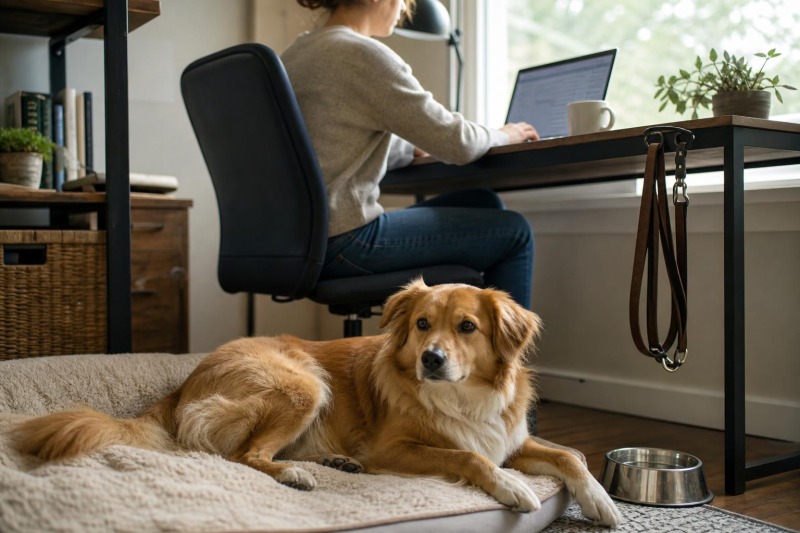
Once you have the keys, do not wait for problems to show themselves. Set the home up with purpose from the start. Dogs settle faster when their routines arrive with them. Put the bed where the dog can rest without being startled by every hallway sound. Keep feeding areas consistent. Establish the path to the door for bathroom trips. If you have a service dog, shape the home to support the dog’s work, with clear places for gear, rest, and uninterrupted access.
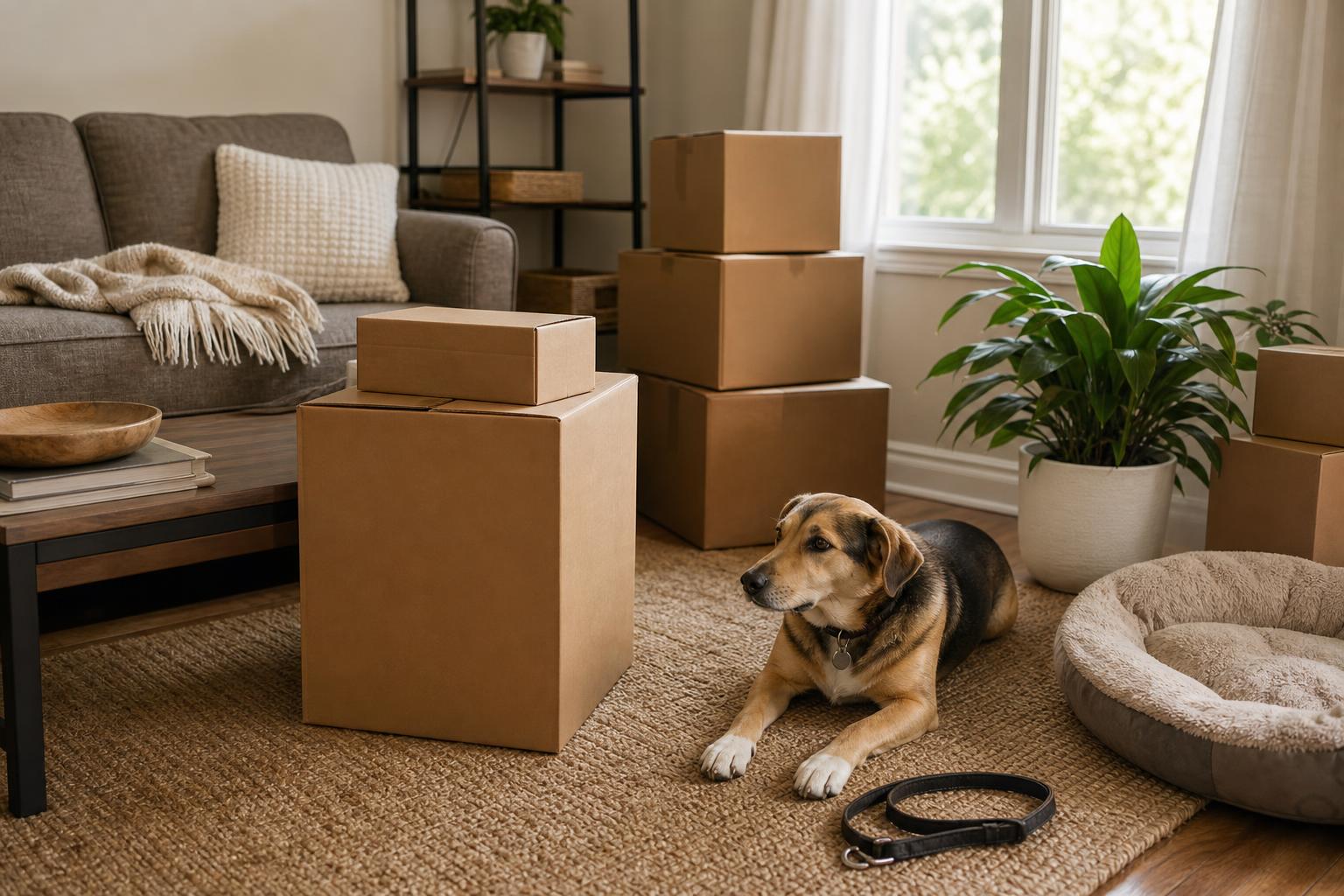
That first week matters. Too many people move in, leave boxes everywhere, and wonder why the dog seems restless or clingy. A dog-ready home is not about fancy gadgets. It is about order. Quiet confidence from the handler carries a long way.
Protect the Property While Keeping It Comfortable
If you rent, think ahead like someone who wants every dollar of that deposit back. Use washable rugs in high-traffic areas, especially near doors. Put mats under water bowls. Trim nails regularly to reduce floor scratches. Wipe paws after wet or muddy walks. Keep up with shedding before it settles into corners and vents. These habits are simple, but they speak loudly about the kind of tenant and dog owner you are.
Comfort matters too. Window light, a safe resting place, temperature control, and predictable household rules all help a dog settle in. A settled dog is quieter, cleaner, and less likely to develop nuisance behaviors. That makes life easier for you, your neighbors, and anyone managing the property.
Build Goodwill With Neighbors and Management
Sometimes the easiest way to keep housing pet-friendly is to be the kind of dog owner people remember for the right reasons. Pick up waste every time. Do not let barking drag on. Keep shared spaces clean. If your dog is in training, be honest about it and work the problem early. A service dog team or therapy dog handler often gets noticed in a community, and fair or not, your habits can shape how others view dog owners who come after you.
If management sees that your dog is groomed, under control, and part of a disciplined routine, many concerns fade before they ever become complaints. Goodwill does not replace your rights, but it sure can make the road smoother.
Prepare for Moves, Emergencies, and Changing Needs
Housing should fit your life now, but it also ought to give some thought to what may come next. Dogs age. Health changes. Work schedules shift. A young therapy dog may be easy in a compact unit today, but five years down the line, an elevator outage or a long walk to the relief area may become a real burden. A service dog may need a layout that still works if your mobility needs change. Planning ahead is not pessimism. It is just good sense.
Keep a moving file with vaccination records, veterinary contacts, license information, emergency boarding options, and any housing-related documents tied to your dog. If weather, repairs, or sudden relocation ever force your hand, you do not want to be scrambling through drawers when time is short.
The best pet-friendly housing is not always the biggest, newest, or most expensive place on the market. More often, it is the one that fits the dog’s needs, supports your routine, and gives you room to live without fighting the property every step of the way. That takes patience, close observation, and a willingness to ask better questions than most people do.
If you are living with a companion dog, therapy dog, or service dog, trust what experience teaches you. Look past the polished listing photos. Listen for noise. Watch the flow of the neighborhood. Picture the first walk at dawn and the last one at night. A good home should feel workable in the bones, not just attractive on a screen. When you find a place that gives your dog stability and gives you peace of mind, you have found more than housing. You have found ground worth keeping.