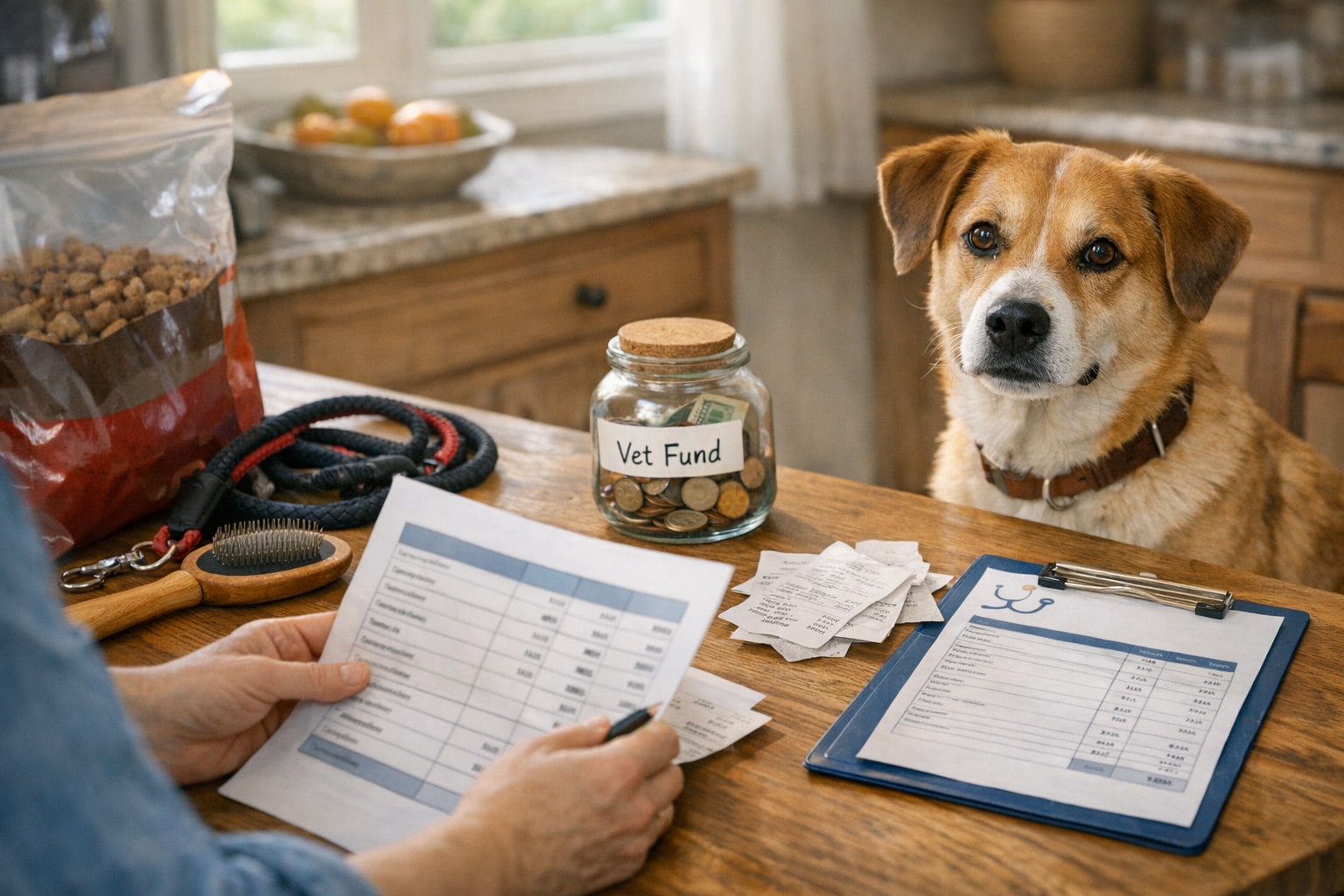
Dog ownership costs extend beyond food and the initial fee. Budget for routine care, equipment, training, travel arrangements, and unexpected veterinary expenses before making a commitment.
Budgeting for dog ownership is not about taking the romance out of it. It is about making sure your dog gets what it needs for a healthy, stable life. Folks often focus on the adoption fee or purchase price, but that is only the first footprint in the mud. The real cost comes in food, routine vet care, training, grooming, gear, travel, and the unexpected surprises that always seem to show up at the worst possible hour. If you plan well from the beginning, you stand a better chance of giving your dog a secure life without finding yourself stretched thin.
The First-Year Cost of Owning a Dog
The first year is where most dog owners feel the financial weight. Even if you adopt from a shelter, there are startup costs that add up fast. You will likely need a crate, bed, food and water bowls, a collar, harness, leash, ID tags, toys, cleaning supplies, and quality food. If the dog is a puppy, you may also be paying for vaccinations, spay or neuter surgery, deworming, microchipping, and a series of early wellness visits.
This is where people either set themselves up well or start cutting corners. A cheap leash that frays, poor-quality food that leads to digestive issues, or skipped training sessions can cost you more down the line. A well-prepared first year can easily run from several hundred dollars into a few thousand, depending on the dog’s size, age, breed, and medical history. Service dogs and therapy dog prospects may also require temperament evaluations, specialty training, and equipment that a typical pet household may not need right away.
Purchase Price vs. Lifetime Cost
Some people get hung up on the upfront cost of the dog itself. A shelter dog may be relatively affordable, while a purpose-bred dog from a reputable breeder can cost considerably more. For a service dog prospect, that initial price may be higher because health, temperament, and working potential matter a great deal. Still, the purchase or adoption fee is only one part of the picture. Over the life of the dog, food, veterinary care, and training usually overshadow that first payment by a wide margin.
Think of it like buying a truck for rough country. The sticker price matters, but what really tests your wallet is maintenance, fuel, tires, and repairs over the years. Dogs are much the same. The wise approach is to look beyond the beginning and ask yourself what you can afford month after month, year after year.
Monthly Dog Expenses You Should Expect
Once the startup dust settles, your budget shifts into a steadier pattern. Most owners will have recurring monthly expenses, and these can vary a good bit depending on the dog. Food is one of the most predictable categories. A small companion dog may eat modestly, while a larger working dog can burn through premium kibble quickly. If your dog needs a specialized diet for allergies, weight management, or digestive health, that number can climb even faster.
Preventive medications are another regular cost that should never be ignored. Flea, tick, and heartworm prevention may not feel exciting to buy, but they are a lot cheaper than treating the diseases and infestations they are designed to prevent. Routine grooming may also be a factor. Some dogs need little more than a brush and occasional bath, while others require professional grooming every few weeks.
Then there is training. For companion dogs, it helps build manners and trust. For therapy dogs, it is part of preparing for public interaction. For service dogs, it is absolutely essential. Whether you train on your own, join classes, or work with a professional, budgeting for training is one of the smartest decisions you can make.
Companion Dog, Therapy Dog, and Service Dog Costs
While all dogs require food, healthcare, and supplies, the role of the dog can affect the budget. A companion dog may have the lowest overall cost if it is healthy and does not require extensive grooming or advanced training. Therapy dogs often need solid obedience, public manners, testing, registration through an organization where applicable, and travel-related costs for visits. Service dogs can involve the most significant financial investment, especially when task training, public access preparation, and specialized gear come into play.
That does not mean one type of dog is better or easier than another. It simply means your budget should match the life your dog is being asked to live. A dog working by your side in public settings needs a level of preparation that goes beyond the average backyard pet.
Veterinary Care and Emergency Planning
Every dog owner should build a budget around preventive care first. Annual exams, vaccines, dental cleanings, fecal tests, bloodwork when needed, and parasite prevention form the backbone of long-term health. Skip enough of that, and small issues can grow into expensive ones.
But even the best-kept dog can swallow something foolish, tear a paw, develop an infection, or need surgery. Emergency care is where a budget gets tested. One unexpected visit can cost more than several months of regular care combined. That is why it is wise to keep an emergency fund for your dog or look into pet insurance if it fits your situation. Neither option removes the stress entirely, but both can soften the blow when life turns suddenly.
If you are budgeting for a service dog in particular, emergency planning becomes even more important. A working dog is not just a pet. That dog may be central to your daily function, safety, and independence. Protecting its health means protecting your own stability as well.
Training, Socialization, and the Cost of Doing Things Right
A dog that understands boundaries, responds reliably, and can settle calmly in different settings is easier to live with and less likely to create costly problems. Damaged furniture, chewed gear, avoidable bites, and stress-related behavioral issues all carry a price.
Good socialization also matters, especially for therapy and service dog prospects. Exposure to new places, surfaces, noises, and people should be thoughtful and steady, not rushed. Sometimes that means paying for classes, trainer guidance, travel, or controlled experiences that build confidence. It may not look flashy on a receipt, but it is part of building a dog that can thrive in the world you are asking it to enter.
Why Cheap Decisions Can Become Expensive
There is a temptation to save a little here and there by buying poor-quality food, skipping preventive care, delaying training, or choosing bargain gear that wears out quickly. A flimsy crate can fail. An ill-fitting harness can cause discomfort. A dog without structure can develop habits that require professional help to correct.
Budgeting well is not about spending the most. It is about spending deliberately. Buy what serves your dog well, and keep enough in reserve for what you cannot predict.
How to Build a Realistic Dog Budget
The best dog budget is an honest one. Start by estimating the fixed monthly costs such as food, preventive medications, and grooming. Then add routine veterinary care spread across the year. Include training, replacement gear, boarding or pet sitting if you travel, and a line for treats, enrichment toys, and household cleanup supplies. After that, create a separate emergency cushion. If you cannot build it all at once, build it slowly, but build it.
It also helps to match the dog to your lifestyle before you commit. A high-energy breed with heavy grooming needs and advanced training demands may not fit a tight budget as comfortably as a lower-maintenance dog. The same goes for size. Bigger dogs usually eat more, need larger equipment, and often cost more for medication and procedures. None of this is meant to discourage you. It is meant to help you choose wisely, with both your heart and your head working together.
If you are exploring therapy dog or service dog work, budget not only for the dog you want today but for the dog you will need six months, a year, and five years from now. Ongoing training, public access readiness, health checks, and supportive equipment all deserve room in the plan.
The True Value of Planning Ahead
A dog does not care whether you drive a shiny truck or an old one with dust on the dash. What your dog needs is food in the bowl, care when it hurts, guidance when it is learning, and a home that does not wobble every time an expense shows up. That kind of steadiness comes from planning ahead. A sound dog ownership budget gives you room to enjoy the companionship without panicking at every routine bill or surprise setback.
For anyone considering a companion dog, therapy dog, or service dog, the takeaway is simple. Budgeting for dog ownership is not a side chore. It is part of responsible ownership from the very start. When you prepare for the real costs, you give your dog a better life and yourself a more confident path forward. And if you ask me, there are few investments in life that repay a person with as much loyalty, purpose, and quiet good company as a well-cared-for dog.