Alert Dogs for Medical Conditions
How These Remarkable Service Dogs Protect Daily Life
Jeff Davis | https://companiondogcentral.com
 0
0 0
0 0
0 0
0 0
0
There are few things in this world more impressive than a good dog doing meaningful work. I have spent enough years around working dogs to know the difference between a pet that follows you around the porch and a dog that takes in the world with purpose. Alert dogs for medical conditions fall into that second camp. They are not simply loyal companions, though they are certainly that. They are sharp-minded, highly trained service dogs that can recognize changes in a person's body and warn them before a situation turns dangerous.
For many people, that warning can mean the difference between getting help in time and facing a medical emergency alone. These dogs are used to assist individuals living with conditions such as diabetes, seizure disorders, severe allergies, heart problems, and other health issues where early detection matters. What makes them so valuable is not just obedience or affection. It is their ability to notice what most humans would miss entirely.
If you have ever watched a seasoned hunting dog catch scent on a shift in the wind long before you knew anything was there, then you already understand the basic wonder behind medical alert work. A dog's nose, instincts, and awareness can pick up subtle chemical and behavioral changes with astonishing accuracy. With the right training, that natural ability becomes a practical, life-supporting skill.
What Is a Medical Alert Dog?
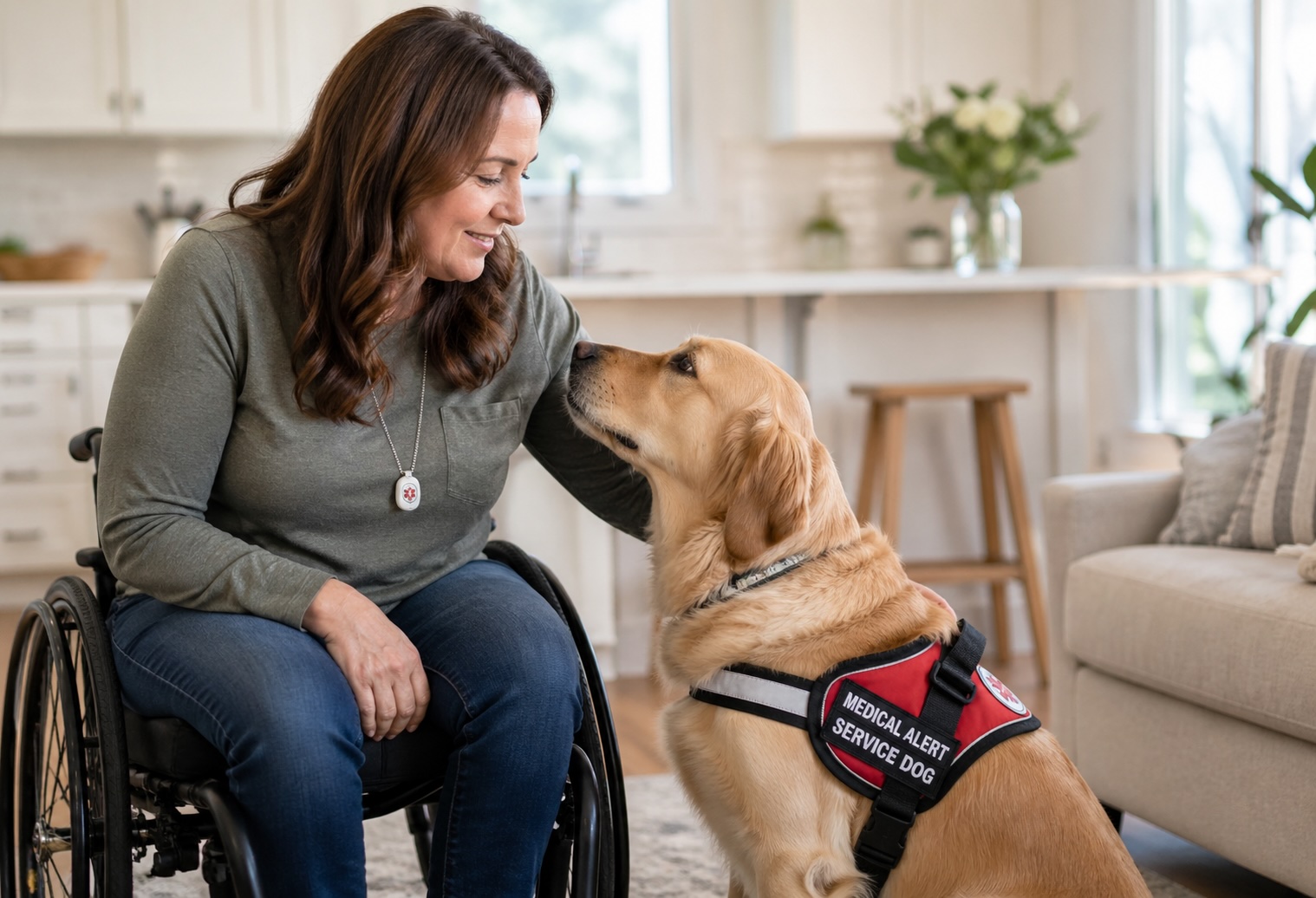
A medical alert dog is a specially trained service dog that detects the onset of a medical event and alerts its handler so action can be taken. The alert may be as simple as pawing at a leg, nudging a hand, jumping onto the bed, or retrieving another person in the home. In some cases, the dog is also trained to respond after the alert by bringing medication, activating an emergency device, or staying close to provide grounding and stability.
These dogs are often grouped under the larger umbrella of service dogs, but their work is distinct. A therapy dog provides comfort to many people in settings like hospitals or schools. A companion dog offers emotional closeness and everyday support. A medical alert dog, by contrast, is task-trained to aid one person with a disability or serious health condition. That difference matters, especially when discussing public access rights, training standards, and the level of responsibility involved.
How Alert Dogs Detect Medical Changes
Most alert dogs rely heavily on scent and pattern recognition. The body changes chemistry during many medical events. Blood sugar shifts can alter breath and sweat. Seizure activity may be preceded by subtle changes in odor, posture, or behavior. Cardiac episodes can create physical cues that a trained dog learns to recognize over time. Some dogs seem to sense these changes naturally, while others are carefully shaped through reward-based training to identify and respond to a specific cue.
Folks sometimes ask whether every dog can do this kind of work. The honest answer is no. Many dogs are loving, bright, and trainable, but medical alert work requires steadiness, confidence, focus, and a willingness to work in distracting environments. It takes a dog with a clear head and a true working temperament.
Types of Alert Dogs for Medical Conditions
Not all medical alert dogs perform the same job. The condition being managed will shape both the training and the tasks expected of the dog. One of the best-known examples is the diabetic alert dog. These dogs are trained to detect high or low blood sugar levels, often before a monitor alarm goes off or before the handler feels symptoms. For someone who lives alone, drives frequently, or cares for children, that early warning can be a mighty serious safeguard.
Seizure alert and seizure response dogs are another important category. Some dogs appear able to sense seizure activity before it happens, while others are trained to respond during or after an event by staying close, seeking help, or preventing injury. The science around seizure prediction is still developing, but there is no question that many handlers benefit from the practical support and routine these dogs provide.
There are also cardiac alert dogs for people with heart rhythm issues, blood pressure instability, or fainting disorders such as POTS. These dogs may learn to alert to changes in body chemistry or physical behavior before a collapse or episode. Allergy detection dogs can identify life-threatening allergens such as peanuts, giving an extra layer of protection to children and adults with severe sensitivities. Some dogs are even trained to detect migraines or adrenal crises, depending on the handler's needs and the dog's capabilities.
What Makes a Good Medical Alert Dog?
The best medical alert dogs are not chosen by looks alone. A handsome coat and kind eyes might win hearts, but service work demands much more. A suitable dog must be emotionally stable, eager to learn, and able to settle quietly in public spaces. It should not spook easily, show aggression, or become overwhelmed by noise, crowds, or changing routines.
Breed can play a role, though it is not the whole story. Labrador Retrievers and Golden Retrievers remain popular for service work because they are typically biddable, social, and dependable. Poodles are often chosen for their intelligence and lower-shedding coats. That said, many mixed breeds and other purebreds can excel when they have the right temperament. I have seen dogs from plain, unassuming stock show more grit and steadiness than fancier animals bred without purpose. In the end, the dog's mind matters more than pedigree papers.
Training and Temperament Matter More Than Hype
There is a lot of noise online about miracle dogs that supposedly know everything on their own. I would be wary of that kind of talk. Natural instinct can be a starting point, but reliable alert behavior comes from structure, repetition, and proofing in the real world. A dog must learn not only to notice a change, but to communicate it clearly and consistently. Then it must perform that task in grocery stores, doctor's offices, parking lots, schools, and quiet homes on long nights when nobody else is awake.
That kind of consistency is earned through careful training. Good programs spend months, and often years, building obedience, public manners, task reliability, and handler partnership. Owner-training is possible in some cases, but it takes time, knowledge, and a strong support system. This is not a shortcut kind of endeavor.
The Daily Life Benefits of a Medical Alert Dog
The practical value of an alert dog is obvious, but there is another side to this partnership that deserves attention. Many handlers describe a deep sense of confidence returning once they begin working with a trained dog. They sleep better. They go out more often. They spend less time worrying about what might happen if symptoms strike at the wrong moment. A good dog cannot cure a medical condition, but it can give a person back pieces of life that fear tried to steal.
I have always believed that a working dog does more than complete tasks. It changes the rhythm of a day. There is reassurance in hearing a dog settle at your feet, in feeling that nose press insistently against your hand when something is off, in knowing another living creature is paying attention when the world feels uncertain. That sort of bond is hard to measure, but it is real all the same.
Things to Consider Before Getting an Alert Dog
For all their value, medical alert dogs are not the right fit for every situation. They require ongoing care, daily exercise, regular veterinary expenses, and consistent training maintenance. Even a highly skilled dog is still a dog, which means there will be muddy paws, shedding, distractions, and the occasional bad day. Anyone considering one should think honestly about their lifestyle, energy level, finances, and ability to work as part of a team.
Cost is another serious factor. Professionally trained service dogs can be expensive because of the time and expertise involved. Some nonprofit organizations help reduce that burden, while private programs may charge significant fees. It is wise to research thoroughly, ask about training methods, success rates, and follow-up support, and be cautious of anyone making grand promises with little proof.
It is equally important to remember that an alert dog should complement medical care, not replace it. These dogs are one tool in a larger management plan that may include medication, monitoring devices, therapy, specialist care, and family support. The strongest outcomes usually come when all of those pieces work together.
Choosing the Right Path
If you are exploring the idea of a medical alert dog, start by speaking with your healthcare provider about your specific condition and daily challenges. From there, look into reputable service dog organizations or qualified trainers with proven experience in medical alert work. Ask hard questions. Watch how dogs behave in real settings. Pay attention to whether a program focuses as much on matching the right dog to the right person as it does on polished marketing language.
There is no shame in taking your time. A dog that will share your life and help safeguard your health should be chosen with care. The right match can be extraordinary. The wrong one can create stress where you needed stability.
Final Thoughts on Alert Dogs for Medical Conditions
Alert dogs for medical conditions represent some of the finest examples of what dogs can do alongside human beings. They combine natural ability, disciplined training, and a bond of trust that runs deeper than simple companionship. For individuals living with serious health concerns, these dogs can offer warning, response, independence, and peace of mind that is hard to put into words.
From where I stand, after years of watching dogs work with heart and honesty, that is what makes them so remarkable. They do not fuss over their importance. They simply learn the job, stay close, and do the work. And when the work is keeping someone safe, there is hardly a nobler task a dog could take on.
For many people, that warning can mean the difference between getting help in time and facing a medical emergency alone. These dogs are used to assist individuals living with conditions such as diabetes, seizure disorders, severe allergies, heart problems, and other health issues where early detection matters. What makes them so valuable is not just obedience or affection. It is their ability to notice what most humans would miss entirely.
If you have ever watched a seasoned hunting dog catch scent on a shift in the wind long before you knew anything was there, then you already understand the basic wonder behind medical alert work. A dog's nose, instincts, and awareness can pick up subtle chemical and behavioral changes with astonishing accuracy. With the right training, that natural ability becomes a practical, life-supporting skill.
What Is a Medical Alert Dog?
A medical alert dog is a specially trained service dog that detects the onset of a medical event and alerts its handler so action can be taken. The alert may be as simple as pawing at a leg, nudging a hand, jumping onto the bed, or retrieving another person in the home. In some cases, the dog is also trained to respond after the alert by bringing medication, activating an emergency device, or staying close to provide grounding and stability.
These dogs are often grouped under the larger umbrella of service dogs, but their work is distinct. A therapy dog provides comfort to many people in settings like hospitals or schools. A companion dog offers emotional closeness and everyday support. A medical alert dog, by contrast, is task-trained to aid one person with a disability or serious health condition. That difference matters, especially when discussing public access rights, training standards, and the level of responsibility involved.
How Alert Dogs Detect Medical Changes
Most alert dogs rely heavily on scent and pattern recognition. The body changes chemistry during many medical events. Blood sugar shifts can alter breath and sweat. Seizure activity may be preceded by subtle changes in odor, posture, or behavior. Cardiac episodes can create physical cues that a trained dog learns to recognize over time. Some dogs seem to sense these changes naturally, while others are carefully shaped through reward-based training to identify and respond to a specific cue.
Folks sometimes ask whether every dog can do this kind of work. The honest answer is no. Many dogs are loving, bright, and trainable, but medical alert work requires steadiness, confidence, focus, and a willingness to work in distracting environments. It takes a dog with a clear head and a true working temperament.
Types of Alert Dogs for Medical Conditions
Not all medical alert dogs perform the same job. The condition being managed will shape both the training and the tasks expected of the dog. One of the best-known examples is the diabetic alert dog. These dogs are trained to detect high or low blood sugar levels, often before a monitor alarm goes off or before the handler feels symptoms. For someone who lives alone, drives frequently, or cares for children, that early warning can be a mighty serious safeguard.
Seizure alert and seizure response dogs are another important category. Some dogs appear able to sense seizure activity before it happens, while others are trained to respond during or after an event by staying close, seeking help, or preventing injury. The science around seizure prediction is still developing, but there is no question that many handlers benefit from the practical support and routine these dogs provide.
There are also cardiac alert dogs for people with heart rhythm issues, blood pressure instability, or fainting disorders such as POTS. These dogs may learn to alert to changes in body chemistry or physical behavior before a collapse or episode. Allergy detection dogs can identify life-threatening allergens such as peanuts, giving an extra layer of protection to children and adults with severe sensitivities. Some dogs are even trained to detect migraines or adrenal crises, depending on the handler's needs and the dog's capabilities.
What Makes a Good Medical Alert Dog?
The best medical alert dogs are not chosen by looks alone. A handsome coat and kind eyes might win hearts, but service work demands much more. A suitable dog must be emotionally stable, eager to learn, and able to settle quietly in public spaces. It should not spook easily, show aggression, or become overwhelmed by noise, crowds, or changing routines.
Breed can play a role, though it is not the whole story. Labrador Retrievers and Golden Retrievers remain popular for service work because they are typically biddable, social, and dependable. Poodles are often chosen for their intelligence and lower-shedding coats. That said, many mixed breeds and other purebreds can excel when they have the right temperament. I have seen dogs from plain, unassuming stock show more grit and steadiness than fancier animals bred without purpose. In the end, the dog's mind matters more than pedigree papers.
Training and Temperament Matter More Than Hype
There is a lot of noise online about miracle dogs that supposedly know everything on their own. I would be wary of that kind of talk. Natural instinct can be a starting point, but reliable alert behavior comes from structure, repetition, and proofing in the real world. A dog must learn not only to notice a change, but to communicate it clearly and consistently. Then it must perform that task in grocery stores, doctor's offices, parking lots, schools, and quiet homes on long nights when nobody else is awake.
That kind of consistency is earned through careful training. Good programs spend months, and often years, building obedience, public manners, task reliability, and handler partnership. Owner-training is possible in some cases, but it takes time, knowledge, and a strong support system. This is not a shortcut kind of endeavor.
The Daily Life Benefits of a Medical Alert Dog
The practical value of an alert dog is obvious, but there is another side to this partnership that deserves attention. Many handlers describe a deep sense of confidence returning once they begin working with a trained dog. They sleep better. They go out more often. They spend less time worrying about what might happen if symptoms strike at the wrong moment. A good dog cannot cure a medical condition, but it can give a person back pieces of life that fear tried to steal.
I have always believed that a working dog does more than complete tasks. It changes the rhythm of a day. There is reassurance in hearing a dog settle at your feet, in feeling that nose press insistently against your hand when something is off, in knowing another living creature is paying attention when the world feels uncertain. That sort of bond is hard to measure, but it is real all the same.
Things to Consider Before Getting an Alert Dog
For all their value, medical alert dogs are not the right fit for every situation. They require ongoing care, daily exercise, regular veterinary expenses, and consistent training maintenance. Even a highly skilled dog is still a dog, which means there will be muddy paws, shedding, distractions, and the occasional bad day. Anyone considering one should think honestly about their lifestyle, energy level, finances, and ability to work as part of a team.
Cost is another serious factor. Professionally trained service dogs can be expensive because of the time and expertise involved. Some nonprofit organizations help reduce that burden, while private programs may charge significant fees. It is wise to research thoroughly, ask about training methods, success rates, and follow-up support, and be cautious of anyone making grand promises with little proof.
It is equally important to remember that an alert dog should complement medical care, not replace it. These dogs are one tool in a larger management plan that may include medication, monitoring devices, therapy, specialist care, and family support. The strongest outcomes usually come when all of those pieces work together.
Choosing the Right Path
If you are exploring the idea of a medical alert dog, start by speaking with your healthcare provider about your specific condition and daily challenges. From there, look into reputable service dog organizations or qualified trainers with proven experience in medical alert work. Ask hard questions. Watch how dogs behave in real settings. Pay attention to whether a program focuses as much on matching the right dog to the right person as it does on polished marketing language.
There is no shame in taking your time. A dog that will share your life and help safeguard your health should be chosen with care. The right match can be extraordinary. The wrong one can create stress where you needed stability.
Final Thoughts on Alert Dogs for Medical Conditions
Alert dogs for medical conditions represent some of the finest examples of what dogs can do alongside human beings. They combine natural ability, disciplined training, and a bond of trust that runs deeper than simple companionship. For individuals living with serious health concerns, these dogs can offer warning, response, independence, and peace of mind that is hard to put into words.
From where I stand, after years of watching dogs work with heart and honesty, that is what makes them so remarkable. They do not fuss over their importance. They simply learn the job, stay close, and do the work. And when the work is keeping someone safe, there is hardly a nobler task a dog could take on.