Adopting Small Dogs from Shelters
A Practical Guide to Finding the Right Companion
Jeff Davis | https://companiondogcentral.com
 0
0 0
0 0
0 0
0 0
0
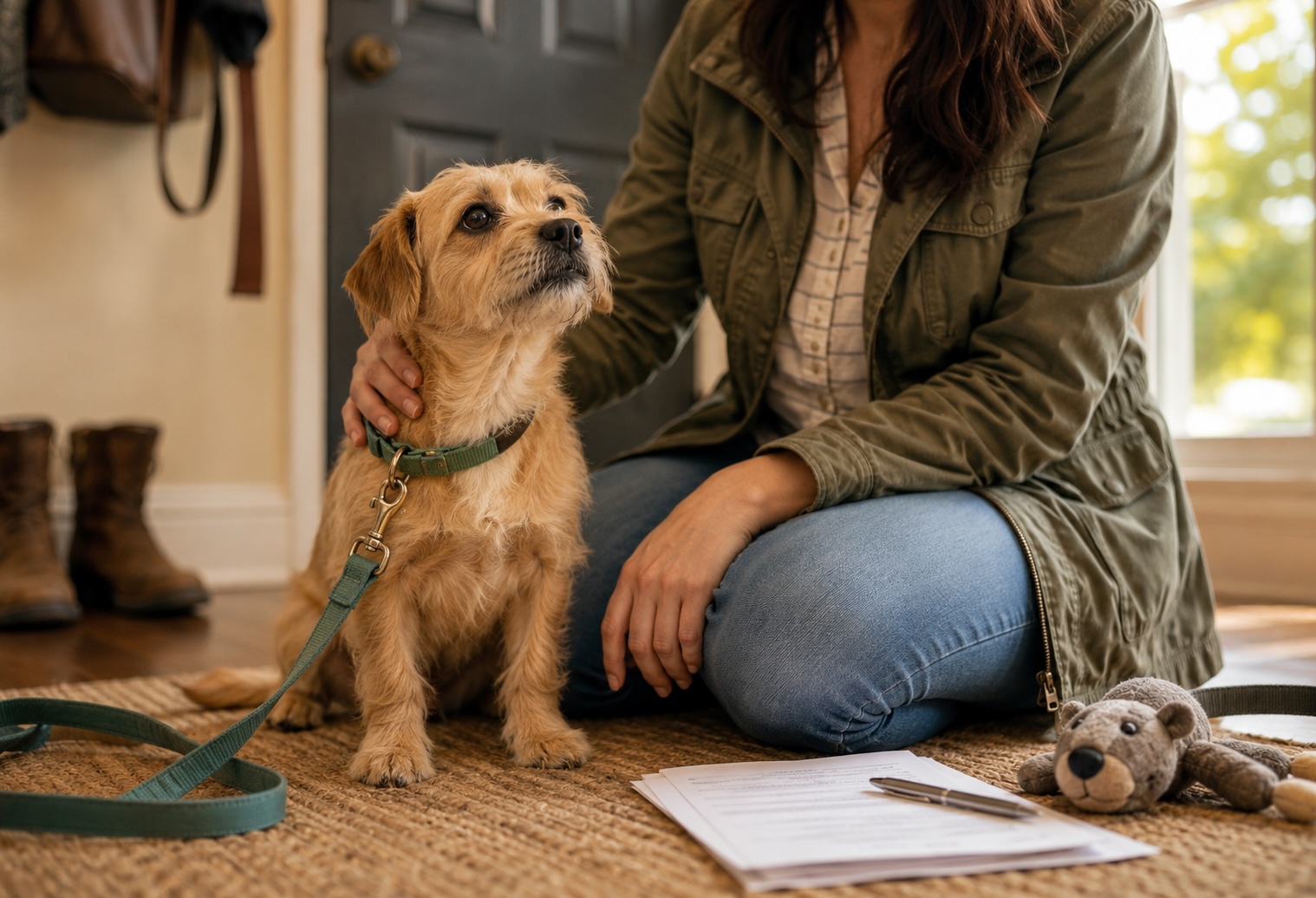
I have spent enough years around dogs to know that the best ones do not always come from glossy photos or polished sales pitches. Sometimes they come from a concrete kennel run, with nervous eyes, a wag they are not quite sure you deserve yet, and a story nobody fully knows. Adopting small dogs from shelters is not just a budget-friendly path into dog ownership. It is often one of the smartest and most heartening ways to find a loyal companion.
Small shelter dogs have a lot going for them. They usually fit more easily into apartments, travel more comfortably, and can be a practical choice for older adults, families, and people looking for a companion dog that stays close without taking up half the couch. For those interested in therapy dogs or service dog prospects, a small dog from a shelter can also surprise you. Not every rescue dog is suited for that work, of course, but some have the steady temperament, trainability, and people-focused nature that makes them worth a serious look.
When I talk about choosing a dog, I think the way a hunter thinks about the field. You do not rush in because something looks good from a distance. You read signs, watch movement, study temperament, and respect the animal in front of you. The same good sense applies when you walk into a shelter and start meeting small dogs.
What Makes Small Shelter Dogs So Appealing
There is a reason small dogs are adopted quickly. They can be easier to manage physically, especially for first-time owners or households that do not want the challenge of handling a powerful large breed. They tend to need less space, often cost less to feed, and are simpler to lift, transport, and supervise in busy homes. That said, small does not mean simple. A ten-pound dog can come with a will of iron, a sharp mind, and enough personality to keep a whole family on its toes.
Shelters often see Chihuahuas, Dachshunds, Shih Tzus, terrier mixes, Pomeranians, poodle mixes, and a range of little dogs with blended backgrounds. Some were loved but surrendered due to housing or financial changes. Others were poorly socialized, undertrained, or simply born into rough circumstances. What matters is not just breed or appearance. What matters is the dog standing in front of you today, and the dog that may emerge once safety and consistency settle into its bones.
Companion, Therapy, and Service Potential
Many people come to shelter adoption looking for a companion dog, and small rescues can be excellent in that role. They often bond deeply, thrive on routine, and enjoy being close to their person. Therapy work is also possible for the right dog, especially one that is calm, friendly with strangers, and comfortable in unpredictable environments. Service work is more specialized, and not every small dog will qualify, but some are well-suited for tasks such as alerting, psychiatric support, or light retrieval depending on their size, drive, and training ability.
The key is honesty. A dog does not need to be everything. A wonderful companion dog is already a life-changing animal.
How to Choose the Right Small Dog at a Shelter
The biggest mistake folks make is adopting from emotion alone. I understand it. You see a little dog trembling in the back of the kennel and your heart jumps straight to rescue mode. But good adoption is not just about saving a dog. It is about making a match that lasts.
Start by thinking hard about your own home. Are you gone for long hours? Do you have young children? Do you need a quiet dog for apartment living, or are you hoping for an active sidekick that can handle daily outings and training? If you are considering future therapy or service work, you must be even more selective. Look for a dog that recovers quickly from stress, shows curiosity without panic, and engages with people in a stable, thoughtful way.
When you meet a small dog, watch more than the tail. Notice how the dog responds to touch, movement, sound, and new people. A dog that is shy but observant can blossom beautifully. A dog that is frantic, shut down, or highly reactive may still be adoptable and lovable, but may not fit every home or working goal. Ask whether the dog has been tested around other dogs, handled for grooming, or observed in foster care. Shelter staff and foster volunteers often know far more than the kennel behavior reveals.
Questions Worth Asking the Shelter
Ask about medical history, vaccination status, dental needs, spay or neuter status, appetite, house-training progress, and any known bite or fear issues. Ask whether the dog has shown guarding behavior around food or toys. Ask how the dog behaves when left alone. A small dog with separation distress can be harder on a household than a larger dog with good emotional balance.
If the shelter allows meet-and-greets in a quiet room, take advantage of it. Sit down. Let the dog come to you. I have learned more about dogs in those quiet ten minutes than I ever could from a photo and a blurb online. A dog that leans in, checks back with you, and settles after an initial burst of nerves is often telling you something valuable.
Preparing Your Home for a Small Rescue Dog
Before your new dog comes home, set the place up with intention. Small dogs can slip through gaps, dart under furniture, and get into places larger dogs never could. Secure cords, remove hazards, block off unsafe spaces, and have a crate or pen ready for decompression. That first week should feel calm, not chaotic.
Bring home quality food, a properly fitted harness, a lightweight leash, chew-safe toys, a comfortable bed, and baby gates if needed. Many small dogs are delicate in body even when bold in spirit, so rough handling, loose larger pets, and unsupervised stair access can create risk. Slow introductions matter.
One thing I tell every adopter: give the dog room to breathe. Do not invite a parade of visitors over on day one. Let the dog learn the smell of your home, the rhythm of your steps, and the fact that meals come on time. Trust is often built in the ordinary moments.
The First Few Weeks After Adoption
There is an old kind of patience that comes from spending time outdoors, waiting on the right movement, the right wind, the right sign. You need some of that same patience with a shelter dog. The first few days may be quiet. The next two weeks may bring more personality. By the third month, you may finally be seeing the real dog.
Some small adopted dogs settle quickly and act like they have always belonged. Others test boundaries, bark at every passing sound, or struggle with house-training because no one ever taught them better. This is normal. Keep routines steady. Feed on a schedule. Take the dog out often. Reward calm behavior. Avoid punishment that adds fear to an already uncertain animal.
If you are hoping the dog may eventually serve in a therapy or service-related capacity, focus first on stability. Confidence, neutrality, and trust come before any advanced task training. A dog that cannot relax in the home will not be ready to work in public.
Training Small Dogs the Right Way
Too many people let small dogs get away with poor behavior because they are easy to pick up. That is a mistake. Little dogs deserve the same clear guidance and respectful training as any retriever, shepherd, or hound. Teach leash manners, recall foundations, handling tolerance, and polite greetings. Use rewards, consistency, and short sessions that keep the dog engaged.
Socialization should be thoughtful, not overwhelming. That means controlled exposure to sounds, surfaces, people, and environments, always at a level the dog can handle. Confidence is built, not forced. I have seen tiny shelter dogs go from trembling in the corner to walking into a room with quiet poise, all because somebody took the time to train with patience and common sense.
Health Considerations with Small Shelter Dogs
Any shelter adoption should include a veterinary follow-up soon after bringing the dog home. Small dogs may have dental disease, luxating patellas, skin issues, heart murmurs, or old injuries that need attention. Some arrive overweight from too many treats and too little movement. Others are underweight and anxious. A good vet visit gives you a clear baseline and helps you plan responsibly.
If you are considering the dog for therapy visits or service work, health becomes even more important. A dog in discomfort cannot work well and should not be asked to. Sound body, sound mind, and solid temperament all have to come together.
Why Shelter Adoption Can Be the Best Choice
There is something honest about adopting a dog that has already seen a little weather. Not every story is neat, but many of these small dogs carry a kind of grit. They know how to watch, adapt, and appreciate comfort when it finally arrives. And when they decide you are theirs, they often love with their whole chest.
For families seeking a companion dog, for individuals hoping to train a future therapy dog, or for those exploring whether a small dog could meet a service-related need, shelters are worth serious consideration. The process may take time. You may meet several dogs before the right one appears. That is not a setback. That is wisdom at work.
In the end, adopting small dogs from shelters is about more than finding something cute and manageable. It is about choosing a living partner whose temperament, health, and spirit fit your life. If you go in with open eyes and a steady hand, you may walk out with the kind of dog that changes the feel of your home for years to come.
Small shelter dogs have a lot going for them. They usually fit more easily into apartments, travel more comfortably, and can be a practical choice for older adults, families, and people looking for a companion dog that stays close without taking up half the couch. For those interested in therapy dogs or service dog prospects, a small dog from a shelter can also surprise you. Not every rescue dog is suited for that work, of course, but some have the steady temperament, trainability, and people-focused nature that makes them worth a serious look.
When I talk about choosing a dog, I think the way a hunter thinks about the field. You do not rush in because something looks good from a distance. You read signs, watch movement, study temperament, and respect the animal in front of you. The same good sense applies when you walk into a shelter and start meeting small dogs.
What Makes Small Shelter Dogs So Appealing
There is a reason small dogs are adopted quickly. They can be easier to manage physically, especially for first-time owners or households that do not want the challenge of handling a powerful large breed. They tend to need less space, often cost less to feed, and are simpler to lift, transport, and supervise in busy homes. That said, small does not mean simple. A ten-pound dog can come with a will of iron, a sharp mind, and enough personality to keep a whole family on its toes.
Shelters often see Chihuahuas, Dachshunds, Shih Tzus, terrier mixes, Pomeranians, poodle mixes, and a range of little dogs with blended backgrounds. Some were loved but surrendered due to housing or financial changes. Others were poorly socialized, undertrained, or simply born into rough circumstances. What matters is not just breed or appearance. What matters is the dog standing in front of you today, and the dog that may emerge once safety and consistency settle into its bones.
Companion, Therapy, and Service Potential
Many people come to shelter adoption looking for a companion dog, and small rescues can be excellent in that role. They often bond deeply, thrive on routine, and enjoy being close to their person. Therapy work is also possible for the right dog, especially one that is calm, friendly with strangers, and comfortable in unpredictable environments. Service work is more specialized, and not every small dog will qualify, but some are well-suited for tasks such as alerting, psychiatric support, or light retrieval depending on their size, drive, and training ability.
The key is honesty. A dog does not need to be everything. A wonderful companion dog is already a life-changing animal.
How to Choose the Right Small Dog at a Shelter
The biggest mistake folks make is adopting from emotion alone. I understand it. You see a little dog trembling in the back of the kennel and your heart jumps straight to rescue mode. But good adoption is not just about saving a dog. It is about making a match that lasts.
Start by thinking hard about your own home. Are you gone for long hours? Do you have young children? Do you need a quiet dog for apartment living, or are you hoping for an active sidekick that can handle daily outings and training? If you are considering future therapy or service work, you must be even more selective. Look for a dog that recovers quickly from stress, shows curiosity without panic, and engages with people in a stable, thoughtful way.
When you meet a small dog, watch more than the tail. Notice how the dog responds to touch, movement, sound, and new people. A dog that is shy but observant can blossom beautifully. A dog that is frantic, shut down, or highly reactive may still be adoptable and lovable, but may not fit every home or working goal. Ask whether the dog has been tested around other dogs, handled for grooming, or observed in foster care. Shelter staff and foster volunteers often know far more than the kennel behavior reveals.
Questions Worth Asking the Shelter
Ask about medical history, vaccination status, dental needs, spay or neuter status, appetite, house-training progress, and any known bite or fear issues. Ask whether the dog has shown guarding behavior around food or toys. Ask how the dog behaves when left alone. A small dog with separation distress can be harder on a household than a larger dog with good emotional balance.
If the shelter allows meet-and-greets in a quiet room, take advantage of it. Sit down. Let the dog come to you. I have learned more about dogs in those quiet ten minutes than I ever could from a photo and a blurb online. A dog that leans in, checks back with you, and settles after an initial burst of nerves is often telling you something valuable.
Preparing Your Home for a Small Rescue Dog
Before your new dog comes home, set the place up with intention. Small dogs can slip through gaps, dart under furniture, and get into places larger dogs never could. Secure cords, remove hazards, block off unsafe spaces, and have a crate or pen ready for decompression. That first week should feel calm, not chaotic.
Bring home quality food, a properly fitted harness, a lightweight leash, chew-safe toys, a comfortable bed, and baby gates if needed. Many small dogs are delicate in body even when bold in spirit, so rough handling, loose larger pets, and unsupervised stair access can create risk. Slow introductions matter.
One thing I tell every adopter: give the dog room to breathe. Do not invite a parade of visitors over on day one. Let the dog learn the smell of your home, the rhythm of your steps, and the fact that meals come on time. Trust is often built in the ordinary moments.
The First Few Weeks After Adoption
There is an old kind of patience that comes from spending time outdoors, waiting on the right movement, the right wind, the right sign. You need some of that same patience with a shelter dog. The first few days may be quiet. The next two weeks may bring more personality. By the third month, you may finally be seeing the real dog.
Some small adopted dogs settle quickly and act like they have always belonged. Others test boundaries, bark at every passing sound, or struggle with house-training because no one ever taught them better. This is normal. Keep routines steady. Feed on a schedule. Take the dog out often. Reward calm behavior. Avoid punishment that adds fear to an already uncertain animal.
If you are hoping the dog may eventually serve in a therapy or service-related capacity, focus first on stability. Confidence, neutrality, and trust come before any advanced task training. A dog that cannot relax in the home will not be ready to work in public.
Training Small Dogs the Right Way
Too many people let small dogs get away with poor behavior because they are easy to pick up. That is a mistake. Little dogs deserve the same clear guidance and respectful training as any retriever, shepherd, or hound. Teach leash manners, recall foundations, handling tolerance, and polite greetings. Use rewards, consistency, and short sessions that keep the dog engaged.
Socialization should be thoughtful, not overwhelming. That means controlled exposure to sounds, surfaces, people, and environments, always at a level the dog can handle. Confidence is built, not forced. I have seen tiny shelter dogs go from trembling in the corner to walking into a room with quiet poise, all because somebody took the time to train with patience and common sense.
Health Considerations with Small Shelter Dogs
Any shelter adoption should include a veterinary follow-up soon after bringing the dog home. Small dogs may have dental disease, luxating patellas, skin issues, heart murmurs, or old injuries that need attention. Some arrive overweight from too many treats and too little movement. Others are underweight and anxious. A good vet visit gives you a clear baseline and helps you plan responsibly.
If you are considering the dog for therapy visits or service work, health becomes even more important. A dog in discomfort cannot work well and should not be asked to. Sound body, sound mind, and solid temperament all have to come together.
Why Shelter Adoption Can Be the Best Choice
There is something honest about adopting a dog that has already seen a little weather. Not every story is neat, but many of these small dogs carry a kind of grit. They know how to watch, adapt, and appreciate comfort when it finally arrives. And when they decide you are theirs, they often love with their whole chest.
For families seeking a companion dog, for individuals hoping to train a future therapy dog, or for those exploring whether a small dog could meet a service-related need, shelters are worth serious consideration. The process may take time. You may meet several dogs before the right one appears. That is not a setback. That is wisdom at work.
In the end, adopting small dogs from shelters is about more than finding something cute and manageable. It is about choosing a living partner whose temperament, health, and spirit fit your life. If you go in with open eyes and a steady hand, you may walk out with the kind of dog that changes the feel of your home for years to come.