Social Media Tips for Dog Owners
Smart Ways to Share, Learn, and Protect Your Dog Online
Jeff Davis | https://companiondogcentral.com
 0
0 0
0 0
0 0
0 0
0
Social media can be a fine tool for dog owners, but like a young dog on a fresh scent, it needs guidance or it can wander into trouble fast. I have spent enough years around companion dogs, therapy dogs, and service dogs to know that the internet is full of good intentions, half-truths, and downright foolish advice dressed up in pretty photos. If you are going to post about your dog, learn from others, or build a following around your canine partner, you want to do it with a steady hand and clear judgment.
For many folks, social media starts as a simple place to share a happy picture from the porch, a training win in the backyard, or a quiet moment after a long walk at first light. Before long, though, it becomes a source of training tips, breeder referrals, gear recommendations, and community support. That can be a blessing if you use it wisely. For owners of companion dogs, therapy dogs, and service dogs, the right online habits can help you find useful information, connect with experienced handlers, and tell your dog’s story without putting your safety or your dog’s well-being at risk.
Why Social Media Matters for Dog Owners
Used well, social media gives dog owners a front porch that reaches far beyond the fence line. It helps new owners learn about temperament, socialization, grooming, and public behavior. It gives therapy dog handlers a way to share uplifting work in schools, hospitals, and care homes. It can also help service dog handlers educate the public about etiquette and access without having to answer the same questions a hundred times face to face.
Still, a wide audience brings wide consequences. One careless post can reveal where you live, where you train, what route you walk, or what vulnerabilities you and your dog may have. A flashy video can reward behavior that should have been corrected. A dramatic story can spread misinformation faster than a good hound can clear a field. The trick is not to avoid social media altogether. The trick is to use it in a way that serves your dog instead of using your dog for attention.
Post with Your Dog’s Safety in Mind
The first rule is simple: never let content outrun common sense. If you post photos or videos, take a moment to look at what is in the frame. Street signs, house numbers, school names, vehicle tags, and regular walking locations can all give away more than you intended. That matters for every dog owner, but especially for handlers of service dogs who may already deal with public scrutiny and unwanted attention.
I always tell folks to think like a tracker. Small clues add up. A coffee shop tag, a park bench in the same place every week, and a recognizable neighborhood trail can create a clear pattern. Keep your posting delayed when possible, especially if you are sharing from a public outing. It is wiser to post after you have left than while you are still there.
Safety also means protecting your dog from stressful content creation. Not every dog enjoys repeated costume changes, bright lights, crowded events, or staged scenes. A companion dog should not be pushed into anxious situations just to make a cute reel. A therapy dog should not be treated like a mascot instead of a working partner. A service dog should never be distracted from tasks for the sake of getting a better shot. If the dog’s comfort is slipping, the camera needs to wait.
Know What Should Stay Private
Medical information, training challenges, and behavior issues deserve careful handling online. There is nothing wrong with asking for help, but public oversharing can invite harsh judgment from strangers who do not know your dog, your lifestyle, or your goals. Share enough to ask a useful question, but not so much that you compromise privacy, dignity, or safety.
This is especially true with therapy and service dogs. Clients, patients, and facilities should never be exposed for the sake of content. Respect confidentiality at all times. A good handler knows that trust is hard won and easily lost.
Be Careful About Taking Training Advice from Social Media
If I have learned anything over the years, it is that a polished video does not prove sound dog handling. Some of the worst advice online comes wrapped in confidence. A dog may appear obedient in a ten-second clip while the real story stays off camera. That is why dog owners need to weigh advice with a practical eye.
Look for trainers, handlers, and organizations that explain why a method works, not just that it works. Pay attention to whether the dog appears relaxed, engaged, and clear-headed. Be wary of miracle fixes, harsh shortcuts, or anyone who promises a perfect dog in no time at all. Good training is steady work, and whether you are shaping a calm companion dog or refining public manners for a service dog, there is no substitute for patience and consistency.
Social media can be useful for ideas, but it should not replace qualified guidance. If your dog is showing fear, aggression, reactivity, or task-training issues, seek help from a reputable professional. That kind of problem solving deserves experienced eyes, not a comment section full of guesses.
Watch for Breed and Role Confusion
One of the more common mistakes online is assuming every dog should train, behave, or work the same way. That is poor thinking. A companion dog has different demands than a therapy dog. A therapy dog has different responsibilities than a service dog. Even among dogs in the same category, age, breed tendencies, health, and temperament all matter.
Social media often blurs those lines. You may see a calm dog in a hospital setting and assume your dog should do the same. You may see a highly trained service dog video and expect that level of focus overnight. Keep your expectations honest. The best online advice is the kind that respects the individual dog in front of you.
Build a Social Media Presence That Helps Others
If you want to share your dog online, there is real value in creating content that informs rather than merely performs. People searching for companion dog information, therapy dog guidance, or service dog basics often feel overwhelmed. A clear post about grooming routines, socialization wins, public etiquette, or training setbacks can help someone more than a dozen flashy clips ever will.
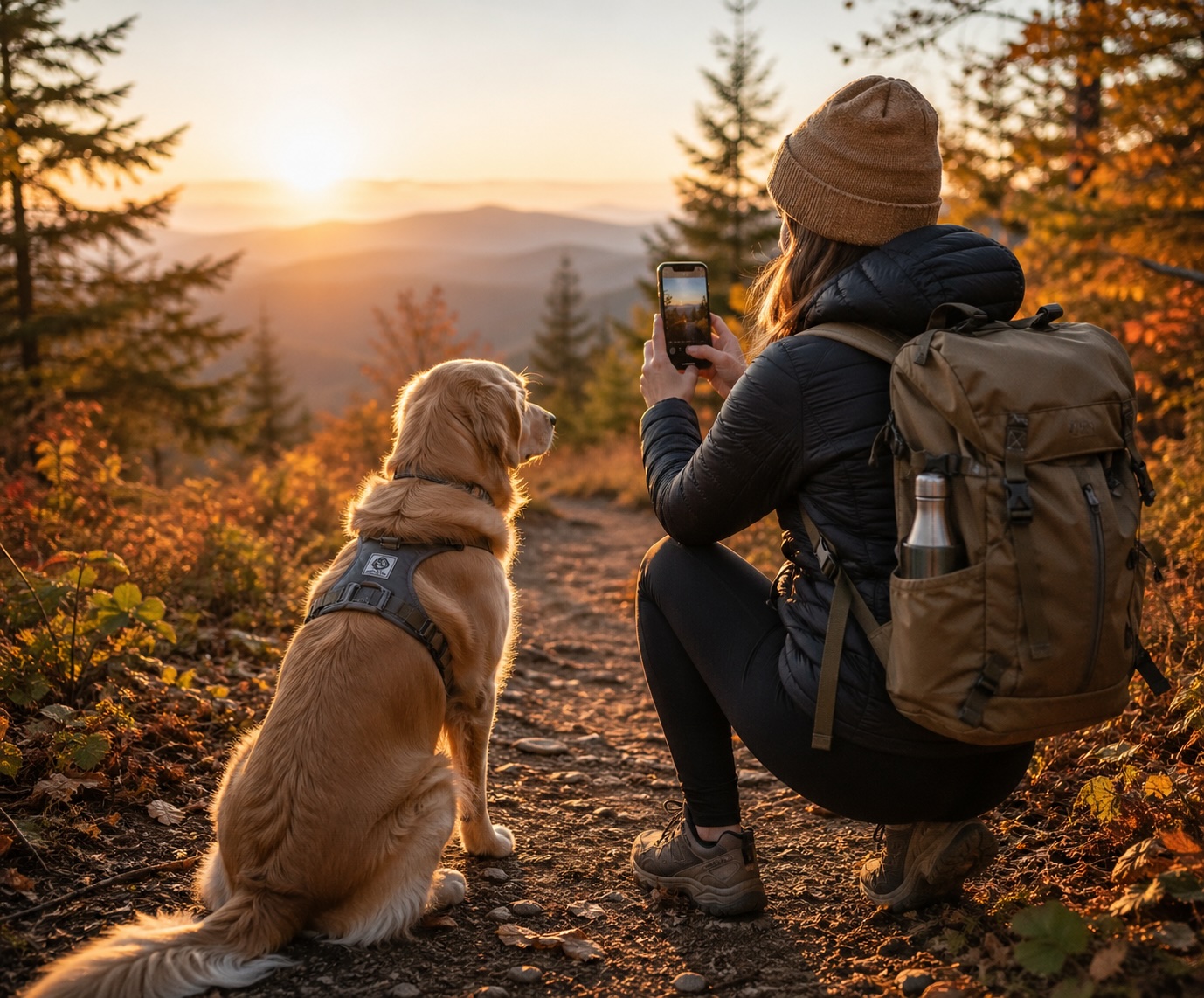
Tell the truth about the work involved. Share the muddy boots side of dog ownership, not just the polished moments. Talk about repetition, patience, routine, and adjustment. I have found that honest stories travel farther and help more people than staged perfection. A sunrise walk with a young dog learning leash manners can teach more than a heavily edited montage with triumphant music.
When you write captions, use natural language. Mention the kind of dog, the situation, and the lesson in a way people would genuinely search for. That improves SEO while keeping your voice human. Instead of forcing the same phrase again and again, speak plainly about companion dog training, therapy dog preparation, service dog etiquette, dog socialization, and safe public outings when those topics fit the moment.
Use Photos and Video That Reflect Responsible Ownership
Images matter. They tell viewers what you consider normal. If your content shows dogs riding loose in vehicles, straining in distress, approaching unknown dogs, or working in distracting environments without purpose, people may copy what they see. Better to model calm behavior, proper gear, respectful public handling, and age-appropriate expectations.
There is a kind of quiet authority in that. You do not need to scold the internet. Just show what good dog stewardship looks like. Over time, that builds trust, and trust is worth more than a burst of empty attention.
Engage with the Dog Community Without Getting Lost in It
One of the best things about social media for dog owners is community. You can find support after a hard training day, celebrate a breakthrough, or learn from someone who has walked the same trail before you. That can be especially encouraging for first-time therapy dog handlers, new service dog teams, or families searching for the right companion dog.
Still, not every debate needs your voice, and not every critic deserves your time. Dog content can stir strong opinions. Folks argue over breeds, tools, training styles, feeding choices, public access, and nearly everything else under the sun. If a conversation is useful, enter it with respect. If it turns into a swamp, step around it and keep moving.
Your dog does not benefit when you spend your days chasing arguments online. Better to invest that energy in training, enrichment, exercise, and quiet time together. The strongest dog-handler relationships are built on real hours, not digital applause.
Social Media Tips for Dog Owners Who Want Long-Term Value
If your goal is to build a lasting online presence, think beyond daily posting. Consider what kind of resource you want to be. Maybe you want to document the growth of a companion dog from puppyhood into a steady household partner. Maybe you want to show what therapy dog visits look like with permission and appropriate privacy. Maybe you want to help people understand how service dogs support daily life and what respectful public behavior around them should look like.
That sort of focused content serves both readers and search engines. It creates a clear theme, builds trust over time, and brings the right audience to your site or profile. It also keeps you from posting whatever happens to be loudest that day. A dog owner with a clear purpose online is a lot like a hunter with a map, enough daylight, and the good sense to stay on the trail.
Consistency matters, but quality matters more. Post content that is accurate, kind, and useful. Check facts before sharing them. Credit trainers, organizations, or sources when they shape your thinking. Correct mistakes when needed. That kind of discipline may not be flashy, but it earns respect, and respect is the bedrock of any lasting community.
Final Thoughts
Social media can be a fine companion for dog owners when it is handled with judgment. It can help you learn, teach, connect, and encourage others who care about companion dogs, therapy dogs, and service dogs. But it should never come before your dog’s welfare, your privacy, or your common sense.
In the end, the best social media tips for dog owners are not complicated. Protect your dog. Protect your peace. Share what is true. Ignore what is foolish. Use the internet as a tool, not a master. If you do that, you will be in a better position to enjoy the good of social media while avoiding the brush piles where trouble likes to hide.
For many folks, social media starts as a simple place to share a happy picture from the porch, a training win in the backyard, or a quiet moment after a long walk at first light. Before long, though, it becomes a source of training tips, breeder referrals, gear recommendations, and community support. That can be a blessing if you use it wisely. For owners of companion dogs, therapy dogs, and service dogs, the right online habits can help you find useful information, connect with experienced handlers, and tell your dog’s story without putting your safety or your dog’s well-being at risk.
Why Social Media Matters for Dog Owners
Used well, social media gives dog owners a front porch that reaches far beyond the fence line. It helps new owners learn about temperament, socialization, grooming, and public behavior. It gives therapy dog handlers a way to share uplifting work in schools, hospitals, and care homes. It can also help service dog handlers educate the public about etiquette and access without having to answer the same questions a hundred times face to face.
Still, a wide audience brings wide consequences. One careless post can reveal where you live, where you train, what route you walk, or what vulnerabilities you and your dog may have. A flashy video can reward behavior that should have been corrected. A dramatic story can spread misinformation faster than a good hound can clear a field. The trick is not to avoid social media altogether. The trick is to use it in a way that serves your dog instead of using your dog for attention.
Post with Your Dog’s Safety in Mind
The first rule is simple: never let content outrun common sense. If you post photos or videos, take a moment to look at what is in the frame. Street signs, house numbers, school names, vehicle tags, and regular walking locations can all give away more than you intended. That matters for every dog owner, but especially for handlers of service dogs who may already deal with public scrutiny and unwanted attention.
I always tell folks to think like a tracker. Small clues add up. A coffee shop tag, a park bench in the same place every week, and a recognizable neighborhood trail can create a clear pattern. Keep your posting delayed when possible, especially if you are sharing from a public outing. It is wiser to post after you have left than while you are still there.
Safety also means protecting your dog from stressful content creation. Not every dog enjoys repeated costume changes, bright lights, crowded events, or staged scenes. A companion dog should not be pushed into anxious situations just to make a cute reel. A therapy dog should not be treated like a mascot instead of a working partner. A service dog should never be distracted from tasks for the sake of getting a better shot. If the dog’s comfort is slipping, the camera needs to wait.
Know What Should Stay Private
Medical information, training challenges, and behavior issues deserve careful handling online. There is nothing wrong with asking for help, but public oversharing can invite harsh judgment from strangers who do not know your dog, your lifestyle, or your goals. Share enough to ask a useful question, but not so much that you compromise privacy, dignity, or safety.
This is especially true with therapy and service dogs. Clients, patients, and facilities should never be exposed for the sake of content. Respect confidentiality at all times. A good handler knows that trust is hard won and easily lost.
Be Careful About Taking Training Advice from Social Media
If I have learned anything over the years, it is that a polished video does not prove sound dog handling. Some of the worst advice online comes wrapped in confidence. A dog may appear obedient in a ten-second clip while the real story stays off camera. That is why dog owners need to weigh advice with a practical eye.
Look for trainers, handlers, and organizations that explain why a method works, not just that it works. Pay attention to whether the dog appears relaxed, engaged, and clear-headed. Be wary of miracle fixes, harsh shortcuts, or anyone who promises a perfect dog in no time at all. Good training is steady work, and whether you are shaping a calm companion dog or refining public manners for a service dog, there is no substitute for patience and consistency.
Social media can be useful for ideas, but it should not replace qualified guidance. If your dog is showing fear, aggression, reactivity, or task-training issues, seek help from a reputable professional. That kind of problem solving deserves experienced eyes, not a comment section full of guesses.
Watch for Breed and Role Confusion
One of the more common mistakes online is assuming every dog should train, behave, or work the same way. That is poor thinking. A companion dog has different demands than a therapy dog. A therapy dog has different responsibilities than a service dog. Even among dogs in the same category, age, breed tendencies, health, and temperament all matter.
Social media often blurs those lines. You may see a calm dog in a hospital setting and assume your dog should do the same. You may see a highly trained service dog video and expect that level of focus overnight. Keep your expectations honest. The best online advice is the kind that respects the individual dog in front of you.
Build a Social Media Presence That Helps Others
If you want to share your dog online, there is real value in creating content that informs rather than merely performs. People searching for companion dog information, therapy dog guidance, or service dog basics often feel overwhelmed. A clear post about grooming routines, socialization wins, public etiquette, or training setbacks can help someone more than a dozen flashy clips ever will.
Tell the truth about the work involved. Share the muddy boots side of dog ownership, not just the polished moments. Talk about repetition, patience, routine, and adjustment. I have found that honest stories travel farther and help more people than staged perfection. A sunrise walk with a young dog learning leash manners can teach more than a heavily edited montage with triumphant music.
When you write captions, use natural language. Mention the kind of dog, the situation, and the lesson in a way people would genuinely search for. That improves SEO while keeping your voice human. Instead of forcing the same phrase again and again, speak plainly about companion dog training, therapy dog preparation, service dog etiquette, dog socialization, and safe public outings when those topics fit the moment.
Use Photos and Video That Reflect Responsible Ownership
Images matter. They tell viewers what you consider normal. If your content shows dogs riding loose in vehicles, straining in distress, approaching unknown dogs, or working in distracting environments without purpose, people may copy what they see. Better to model calm behavior, proper gear, respectful public handling, and age-appropriate expectations.
There is a kind of quiet authority in that. You do not need to scold the internet. Just show what good dog stewardship looks like. Over time, that builds trust, and trust is worth more than a burst of empty attention.
Engage with the Dog Community Without Getting Lost in It
One of the best things about social media for dog owners is community. You can find support after a hard training day, celebrate a breakthrough, or learn from someone who has walked the same trail before you. That can be especially encouraging for first-time therapy dog handlers, new service dog teams, or families searching for the right companion dog.
Still, not every debate needs your voice, and not every critic deserves your time. Dog content can stir strong opinions. Folks argue over breeds, tools, training styles, feeding choices, public access, and nearly everything else under the sun. If a conversation is useful, enter it with respect. If it turns into a swamp, step around it and keep moving.
Your dog does not benefit when you spend your days chasing arguments online. Better to invest that energy in training, enrichment, exercise, and quiet time together. The strongest dog-handler relationships are built on real hours, not digital applause.
Social Media Tips for Dog Owners Who Want Long-Term Value
If your goal is to build a lasting online presence, think beyond daily posting. Consider what kind of resource you want to be. Maybe you want to document the growth of a companion dog from puppyhood into a steady household partner. Maybe you want to show what therapy dog visits look like with permission and appropriate privacy. Maybe you want to help people understand how service dogs support daily life and what respectful public behavior around them should look like.
That sort of focused content serves both readers and search engines. It creates a clear theme, builds trust over time, and brings the right audience to your site or profile. It also keeps you from posting whatever happens to be loudest that day. A dog owner with a clear purpose online is a lot like a hunter with a map, enough daylight, and the good sense to stay on the trail.
Consistency matters, but quality matters more. Post content that is accurate, kind, and useful. Check facts before sharing them. Credit trainers, organizations, or sources when they shape your thinking. Correct mistakes when needed. That kind of discipline may not be flashy, but it earns respect, and respect is the bedrock of any lasting community.
Final Thoughts
Social media can be a fine companion for dog owners when it is handled with judgment. It can help you learn, teach, connect, and encourage others who care about companion dogs, therapy dogs, and service dogs. But it should never come before your dog’s welfare, your privacy, or your common sense.
In the end, the best social media tips for dog owners are not complicated. Protect your dog. Protect your peace. Share what is true. Ignore what is foolish. Use the internet as a tool, not a master. If you do that, you will be in a better position to enjoy the good of social media while avoiding the brush piles where trouble likes to hide.