
Companion Dogs for Apartment Living
Choosing a Steady, Loyal Dog for Small-Space Life
Jeff Davis | https://companiondogcentral.com
 0
0 0
0 0
0 0
0 0
0
There is a difference between a dog that merely fits inside an apartment and a dog that truly settles into apartment life. I have spent enough years around working dogs, companion dogs, and steady-minded house dogs to tell you that square footage alone does not decide success. Temperament does. Nerves do. Training does. A dog can be small and still make a wreck of a tight space, while a larger dog with a calm heart and good manners can live like an old soul in a one-bedroom walk-up.
Folks often come looking for the best companion dogs for apartment living and start with size. That is understandable, but it is not the whole trail. The better question is this: can the dog rest quietly, handle hallway noises, accept strangers coming and going, and stay emotionally balanced when life gets close and busy? In an apartment, your dog is not living on open acreage with room to burn every impulse. That dog is sharing walls, elevators, routines, and often your own stress at the end of a long day. A true companion dog is one that steadies the home rather than rattles it.
What Makes a Good Apartment Companion Dog
The best apartment dogs are usually those with a calm disposition, moderate exercise needs, and a genuine desire to stay close to their people. I have seen many first-time owners assume that a tiny dog will automatically be easy in a small home, but some of the noisiest, busiest dogs I have ever met could fit under one arm. On the other hand, I have known sturdy medium-sized dogs that spent most of the evening curled up at their owner’s feet, content as long as they had a good walk and a steady routine.
A good apartment companion dog should be able to settle after activity. That ability to switch off is worth its weight in gold. The dog should also be reasonably trainable, because apartment life demands daily manners. You need a dog that can wait at doors, walk politely on leash, tolerate the sounds of neighbors, and stay composed when somebody passes your unit in the middle of the night. Barking matters too. Every dog will alert now and then, but constant reactivity can turn a peaceful home into a hard place to live.
For people interested in therapy dogs, service dogs, or companion dogs, the same foundation holds true. Stable nerves, social balance, and responsiveness to human guidance are what make a dog pleasant and reliable in close quarters. Those qualities matter more than flashy looks or breed trends.
Size Matters Less Than Energy and Temperament
One of the oldest myths in dog ownership is that apartment living requires the smallest dog you can find. In truth, energy level and emotional steadiness often matter far more than physical size. A low-key dog with sound structure and a thoughtful nature may thrive in an apartment, while a compact but frantic dog may pace, vocalize, and chew through every idle hour.
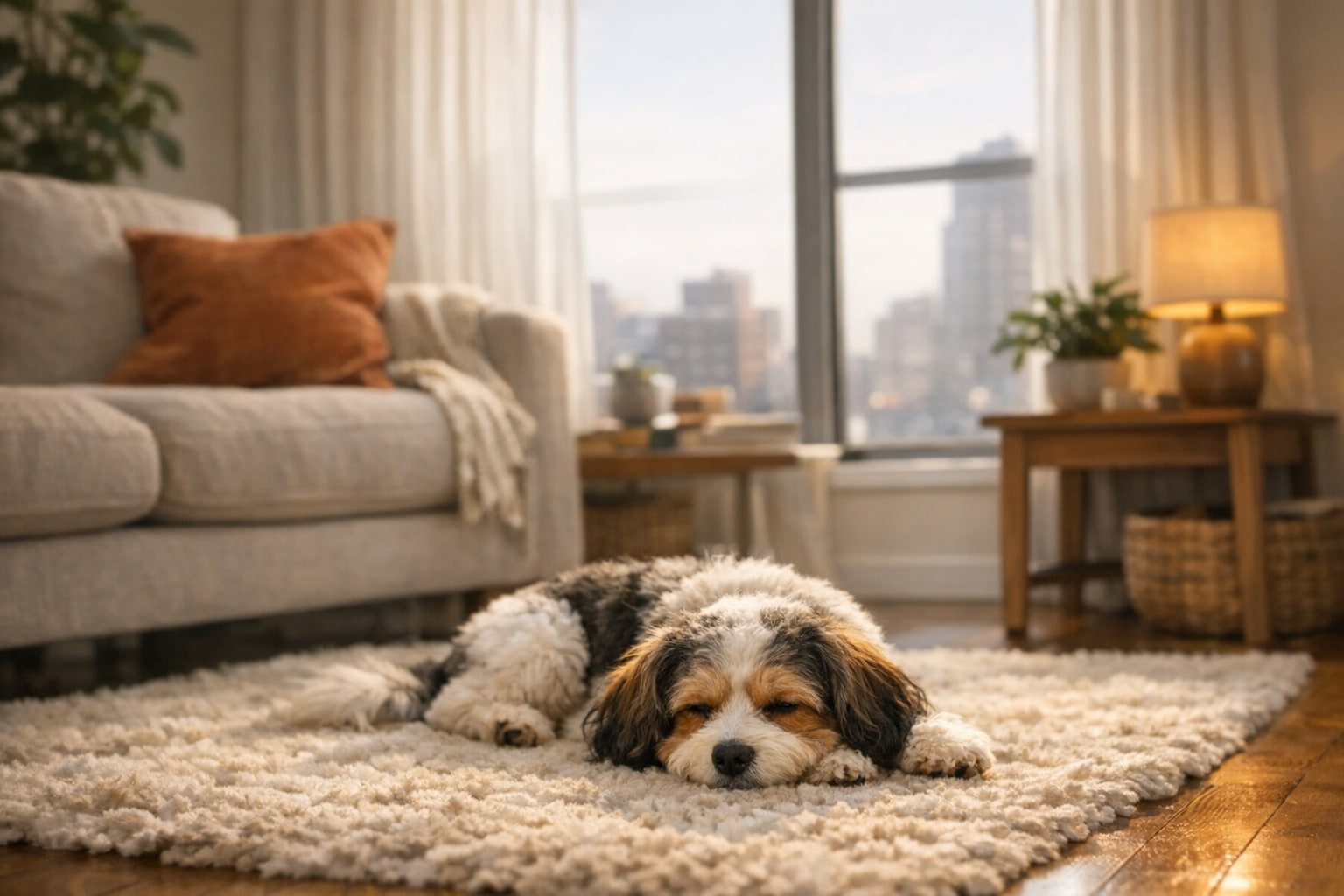
I like to tell people to picture the dog on a rainy week, not on adoption day. When the weather turns ugly and your schedule gets pinched, what kind of dog will still be manageable? The answer is usually a dog that was bred, or at least selected, for companionship, closeness, and adaptability. The best dogs for apartment life are those that can enjoy a proper walk, engage in some play or training, and then lie down in peace while you answer emails, cook supper, or watch the evening settle over the windows.
Why the Off Switch Is So Important
In a hunting camp or out in the field, high drive can be a gift. In a second-floor apartment with thin walls, that same constant intensity can wear on everybody involved. An off switch is the dog’s ability to relax when nothing is happening. It is what allows a companion dog to share your daily life without demanding motion every waking hour. That calmness does not happen by accident alone. Some dogs are born with more of it, but owners also shape it through routine, exercise, and clear expectations.
Best Traits to Look for in Apartment Dogs
If you are searching for a companion dog for apartment living, look for a dog that is people-oriented without being clingy to the point of panic. Separation tolerance is a big factor. Even if you work from home most days, there will be times when the dog must stay alone without turning anxious or destructive. Dogs that recover quickly from surprises, adapt to new environments, and show soft, social behavior around people tend to do well.
House-training reliability is another trait that becomes especially important in an apartment. When your dog cannot simply step into a fenced yard, every bathroom trip takes intention. A dog with a trainable nature and predictable habits will make life far easier. Grooming needs deserve honest thought too. A heavy-shedding dog can fill a small space with hair faster than many owners expect, and a dog with a strong odor can make an apartment feel even smaller.
For individuals exploring therapy or service dog possibilities, apartment life can actually be a good proving ground. A dog that can remain composed in hallways, common entrances, parking lots, and elevators is showing the kind of environmental resilience that matters in broader public settings. Not every companion dog is suited for therapy or service work, of course, but the same calm foundation helps in every role.
Common Mistakes Apartment Dog Owners Make
The biggest mistake I see is choosing a dog based on appearance instead of daily reality. A handsome coat, a fashionable breed, or a face that tugs at the heart can cloud good judgment. But apartment living is practical business. If the dog’s exercise needs, barking tendencies, or separation issues do not match your routine, beauty will not save the arrangement.
Another mistake is assuming indoor space can replace outdoor enrichment. It cannot. Even the calmest companion dog needs walks, fresh air, sniffing time, and engagement with the world. Dogs understand life through their noses. A short but meaningful walk where the dog can observe, smell, and move with purpose often does more good than simply being left to wander around a living room all day.
Then there is the matter of training. Some people hope a dog will naturally understand apartment etiquette. That is wishful thinking. Leash skills, quiet behavior, crate training, visitor manners, and confidence around sounds all need to be shaped. Good apartment dogs are often made through consistency, not luck alone.
Noise, Neighbors, and Daily Stress
Apartment dogs live close to human noise. Doors slam. Footsteps echo. Children run by. Delivery carts rattle down hallways. A dog that startles easily or reacts to every sound may struggle. That is why early socialization and thoughtful exposure matter so much. You want a dog that notices life without feeling the need to answer every little disturbance. Calm praise, structure, and routine go a long way here.
Creating a Good Life for a Dog in an Apartment
A good apartment life for a dog is built on rhythm. Morning potty break, a useful walk, a bit of training, time to rest, another outing later in the day, and some quiet companionship in the evening. Dogs are creatures of pattern. The more predictable and fair your routine is, the more relaxed your dog tends to become.
Mental exercise can be as valuable as physical exercise in a small-space home. A short obedience session, scent games, food puzzles, and place training can help a dog settle better than endless restless activity. I have seen many owners wear themselves out trying to physically exhaust a dog that really needed structure and a job to focus on. Even a companion dog benefits from purposeful work, whether that is learning to lie calmly on a mat, greeting visitors politely, or walking with attention through a busy apartment complex.
Comfort matters too. Give the dog a defined resting place. A crate or bed in a quiet corner can become a safe harbor, especially in homes where sounds come and go at odd hours. Dogs do well when they understand where they belong and what is expected of them. In close living quarters, clarity reduces tension for both species.
How to Choose the Right Companion Dog for Your Lifestyle
Before bringing a dog home, take a hard look at your own habits. Are you active enough for daily walks in all weather? Do you work long hours away from home? Are you sensitive to barking? Do you want a dog that greets every stranger with enthusiasm, or would you rather have one that stays close and reserved? The right apartment companion dog is not simply the best dog on paper. It is the dog whose needs fit the life you actually lead.
If you are adopting, ask about the dog’s behavior indoors, not just in the play yard. Can the dog settle? Is the dog crate trained? How does it react to noises, passing dogs, or strangers? If you are buying from a breeder, look for someone who values temperament and stability over novelty. A well-bred companion dog should have sound nerves and an honest, workable disposition.
For families considering therapy dog training or service dog tasks down the road, choose with even more care. A dog living in an apartment should already be showing the calm focus, social neutrality, and resilience that public life demands. These things can be nurtured, but they cannot be fully manufactured if the raw material is missing.
Final Thoughts on Companion Dogs for Apartment Living
A fine apartment dog is not measured by inches at the shoulder. It is measured by steadiness, adaptability, and the ability to share close daily life without constant friction. The best companion dogs for apartment living are those that can walk out into the world with interest, then come home and rest easy by your side. That kind of dog turns even a modest apartment into a warm, lived-in place.
From my side of the fence, after years with dogs of different temperaments and purposes, I can tell you this: the right dog in the right home is a blessing no matter the floor plan. If you choose with a clear eye, train with patience, and build a routine that honors the dog’s mind as much as its body, apartment living can suit a companion dog just fine. In many cases, it creates exactly the kind of close partnership people are hoping for when they start looking in the first place.
Folks often come looking for the best companion dogs for apartment living and start with size. That is understandable, but it is not the whole trail. The better question is this: can the dog rest quietly, handle hallway noises, accept strangers coming and going, and stay emotionally balanced when life gets close and busy? In an apartment, your dog is not living on open acreage with room to burn every impulse. That dog is sharing walls, elevators, routines, and often your own stress at the end of a long day. A true companion dog is one that steadies the home rather than rattles it.
What Makes a Good Apartment Companion Dog
The best apartment dogs are usually those with a calm disposition, moderate exercise needs, and a genuine desire to stay close to their people. I have seen many first-time owners assume that a tiny dog will automatically be easy in a small home, but some of the noisiest, busiest dogs I have ever met could fit under one arm. On the other hand, I have known sturdy medium-sized dogs that spent most of the evening curled up at their owner’s feet, content as long as they had a good walk and a steady routine.
A good apartment companion dog should be able to settle after activity. That ability to switch off is worth its weight in gold. The dog should also be reasonably trainable, because apartment life demands daily manners. You need a dog that can wait at doors, walk politely on leash, tolerate the sounds of neighbors, and stay composed when somebody passes your unit in the middle of the night. Barking matters too. Every dog will alert now and then, but constant reactivity can turn a peaceful home into a hard place to live.
For people interested in therapy dogs, service dogs, or companion dogs, the same foundation holds true. Stable nerves, social balance, and responsiveness to human guidance are what make a dog pleasant and reliable in close quarters. Those qualities matter more than flashy looks or breed trends.
Size Matters Less Than Energy and Temperament
One of the oldest myths in dog ownership is that apartment living requires the smallest dog you can find. In truth, energy level and emotional steadiness often matter far more than physical size. A low-key dog with sound structure and a thoughtful nature may thrive in an apartment, while a compact but frantic dog may pace, vocalize, and chew through every idle hour.
I like to tell people to picture the dog on a rainy week, not on adoption day. When the weather turns ugly and your schedule gets pinched, what kind of dog will still be manageable? The answer is usually a dog that was bred, or at least selected, for companionship, closeness, and adaptability. The best dogs for apartment life are those that can enjoy a proper walk, engage in some play or training, and then lie down in peace while you answer emails, cook supper, or watch the evening settle over the windows.
Why the Off Switch Is So Important
In a hunting camp or out in the field, high drive can be a gift. In a second-floor apartment with thin walls, that same constant intensity can wear on everybody involved. An off switch is the dog’s ability to relax when nothing is happening. It is what allows a companion dog to share your daily life without demanding motion every waking hour. That calmness does not happen by accident alone. Some dogs are born with more of it, but owners also shape it through routine, exercise, and clear expectations.
Best Traits to Look for in Apartment Dogs
If you are searching for a companion dog for apartment living, look for a dog that is people-oriented without being clingy to the point of panic. Separation tolerance is a big factor. Even if you work from home most days, there will be times when the dog must stay alone without turning anxious or destructive. Dogs that recover quickly from surprises, adapt to new environments, and show soft, social behavior around people tend to do well.
House-training reliability is another trait that becomes especially important in an apartment. When your dog cannot simply step into a fenced yard, every bathroom trip takes intention. A dog with a trainable nature and predictable habits will make life far easier. Grooming needs deserve honest thought too. A heavy-shedding dog can fill a small space with hair faster than many owners expect, and a dog with a strong odor can make an apartment feel even smaller.
For individuals exploring therapy or service dog possibilities, apartment life can actually be a good proving ground. A dog that can remain composed in hallways, common entrances, parking lots, and elevators is showing the kind of environmental resilience that matters in broader public settings. Not every companion dog is suited for therapy or service work, of course, but the same calm foundation helps in every role.
Common Mistakes Apartment Dog Owners Make
The biggest mistake I see is choosing a dog based on appearance instead of daily reality. A handsome coat, a fashionable breed, or a face that tugs at the heart can cloud good judgment. But apartment living is practical business. If the dog’s exercise needs, barking tendencies, or separation issues do not match your routine, beauty will not save the arrangement.
Another mistake is assuming indoor space can replace outdoor enrichment. It cannot. Even the calmest companion dog needs walks, fresh air, sniffing time, and engagement with the world. Dogs understand life through their noses. A short but meaningful walk where the dog can observe, smell, and move with purpose often does more good than simply being left to wander around a living room all day.
Then there is the matter of training. Some people hope a dog will naturally understand apartment etiquette. That is wishful thinking. Leash skills, quiet behavior, crate training, visitor manners, and confidence around sounds all need to be shaped. Good apartment dogs are often made through consistency, not luck alone.
Noise, Neighbors, and Daily Stress
Apartment dogs live close to human noise. Doors slam. Footsteps echo. Children run by. Delivery carts rattle down hallways. A dog that startles easily or reacts to every sound may struggle. That is why early socialization and thoughtful exposure matter so much. You want a dog that notices life without feeling the need to answer every little disturbance. Calm praise, structure, and routine go a long way here.
Creating a Good Life for a Dog in an Apartment
A good apartment life for a dog is built on rhythm. Morning potty break, a useful walk, a bit of training, time to rest, another outing later in the day, and some quiet companionship in the evening. Dogs are creatures of pattern. The more predictable and fair your routine is, the more relaxed your dog tends to become.
Mental exercise can be as valuable as physical exercise in a small-space home. A short obedience session, scent games, food puzzles, and place training can help a dog settle better than endless restless activity. I have seen many owners wear themselves out trying to physically exhaust a dog that really needed structure and a job to focus on. Even a companion dog benefits from purposeful work, whether that is learning to lie calmly on a mat, greeting visitors politely, or walking with attention through a busy apartment complex.
Comfort matters too. Give the dog a defined resting place. A crate or bed in a quiet corner can become a safe harbor, especially in homes where sounds come and go at odd hours. Dogs do well when they understand where they belong and what is expected of them. In close living quarters, clarity reduces tension for both species.
How to Choose the Right Companion Dog for Your Lifestyle
Before bringing a dog home, take a hard look at your own habits. Are you active enough for daily walks in all weather? Do you work long hours away from home? Are you sensitive to barking? Do you want a dog that greets every stranger with enthusiasm, or would you rather have one that stays close and reserved? The right apartment companion dog is not simply the best dog on paper. It is the dog whose needs fit the life you actually lead.
If you are adopting, ask about the dog’s behavior indoors, not just in the play yard. Can the dog settle? Is the dog crate trained? How does it react to noises, passing dogs, or strangers? If you are buying from a breeder, look for someone who values temperament and stability over novelty. A well-bred companion dog should have sound nerves and an honest, workable disposition.
For families considering therapy dog training or service dog tasks down the road, choose with even more care. A dog living in an apartment should already be showing the calm focus, social neutrality, and resilience that public life demands. These things can be nurtured, but they cannot be fully manufactured if the raw material is missing.
Final Thoughts on Companion Dogs for Apartment Living
A fine apartment dog is not measured by inches at the shoulder. It is measured by steadiness, adaptability, and the ability to share close daily life without constant friction. The best companion dogs for apartment living are those that can walk out into the world with interest, then come home and rest easy by your side. That kind of dog turns even a modest apartment into a warm, lived-in place.
From my side of the fence, after years with dogs of different temperaments and purposes, I can tell you this: the right dog in the right home is a blessing no matter the floor plan. If you choose with a clear eye, train with patience, and build a routine that honors the dog’s mind as much as its body, apartment living can suit a companion dog just fine. In many cases, it creates exactly the kind of close partnership people are hoping for when they start looking in the first place.



View all 0 comments