Best Breeds for Therapy Work
Calm, Steady Dogs That Truly Help People Heal
Jeff Davis | https://companiondogcentral.com
 0
0 0
0 0
0 0
0 0
0
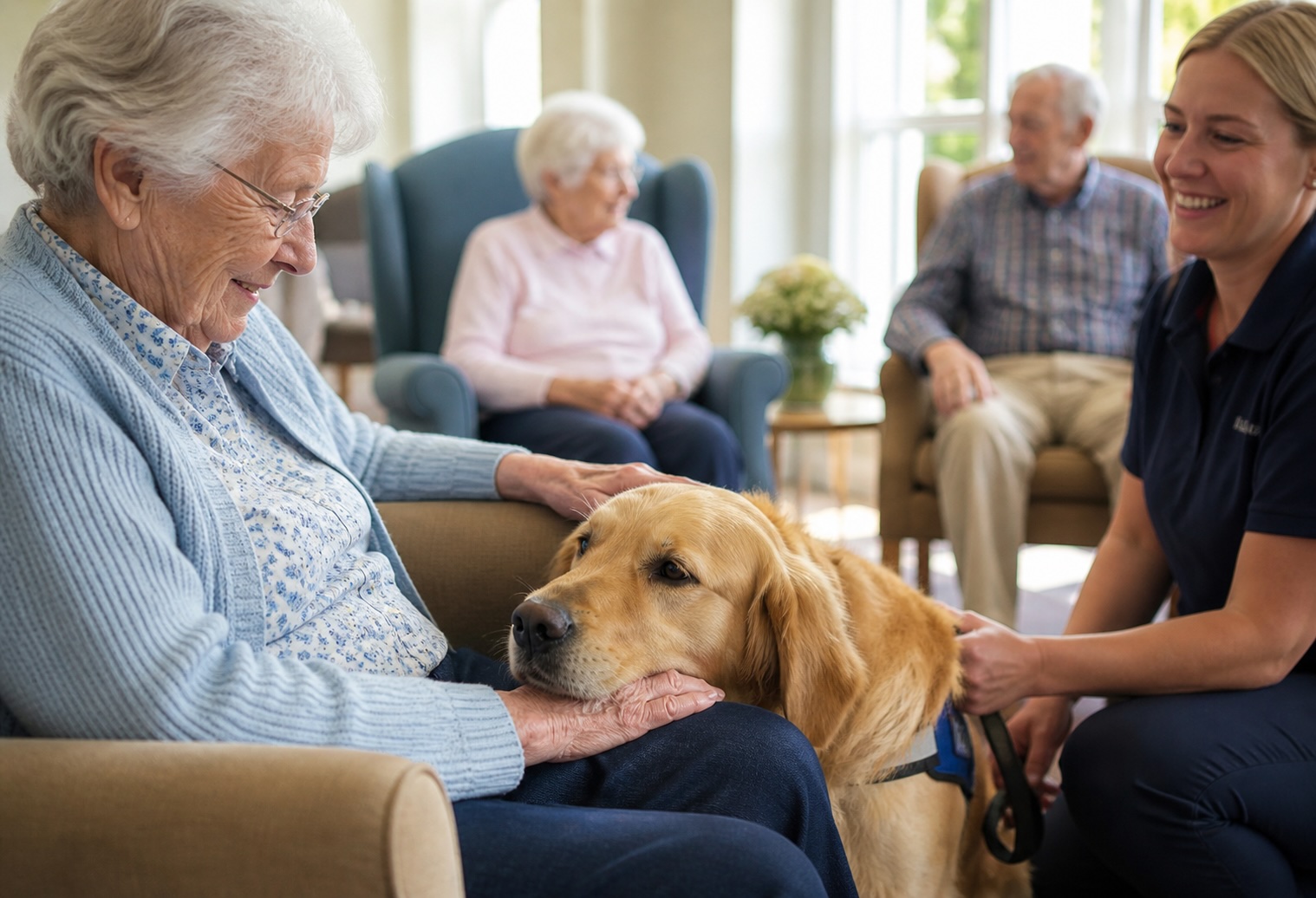
When folks ask me about the best breeds for therapy work, I tell them the truth the same way I would around a campfire after a long day in the field: the finest therapy dogs are not just pretty faces with good papers. They are steady in the mind, soft in the eye, and dependable when the room is tense, quiet, or full of unfamiliar sounds. A good therapy dog carries itself with calm purpose. It can walk into a hospital room, a school hallway, or a nursing home and offer the kind of comfort that no machine and no speech can quite match.
Now, breed does matter, but it is not the whole story. I have seen beautifully bred dogs with all the promise in the world turn out too sensitive, too restless, or too suspicious for therapy work. I have also seen plain, honest dogs with balanced temperaments melt hearts and settle nerves the moment they lean into a patient’s hand. Even so, some breeds do tend to bring the right tools to the job more often than others. If you are looking for a dog suited to therapy visits, emotional support settings, or community outreach, it helps to start with breeds known for patience, gentleness, and social ease.
What Makes a Dog Well Suited for Therapy Work?
Before talking breeds, it is worth understanding what therapy work really demands. A therapy dog is not the same as a service dog. Service dogs are trained to perform specific tasks for one handler with a disability. Therapy dogs, on the other hand, usually visit many different people in places like hospitals, schools, rehabilitation centers, libraries, and assisted living homes. That kind of work asks for a dog with a stable nature and a forgiving spirit.
The best therapy dogs are comfortable being touched by strangers, even awkwardly. They do not spook easily if a walker rattles past, a child hugs too tightly, or a loudspeaker crackles overhead. They recover quickly from surprise. They stay responsive to the handler. Most of all, they seem to enjoy human company in a deep and natural way. You can train obedience. You can polish manners. But that easy warmth toward people is something you want built into the dog from the start.
Temperament Matters More Than Flash
In my experience, a dog that wins attention with high energy and showmanship is not always the one you want beside a hospital bed. Therapy work often calls for stillness, patience, and emotional steadiness. A dog that can lie quietly for fifteen minutes while someone strokes its ears is worth far more than one that knows a dozen tricks but struggles to settle.
Golden Retrievers: The Classic Choice for Good Reason
If there is one breed that keeps proving itself in therapy settings, it is the Golden Retriever. Goldens have an easy friendliness that makes people feel welcome right away. Their expressions are soft, their bodies are approachable, and their nature is usually tolerant and eager to please. They tend to bond quickly with people of all ages, which is a major advantage in therapy work.
I have watched a good Golden enter a room the way warm sunlight slips through a cabin window at dawn. There is no hard edge to them. They move with confidence but not force. For children learning to read, seniors facing loneliness, or patients working through physical recovery, that calm and gentle presence can make all the difference. Goldens are also highly trainable, which helps when handlers need reliable obedience in busy public environments.
Of course, they do need regular exercise, consistent grooming, and careful breeding selection. A poorly bred Golden may be anxious, overexcited, or burdened with health issues. If you are considering one for therapy work, look for a breeder who prioritizes temperament and soundness above all else.
Labrador Retrievers: Steady, Social, and Adaptable
Labrador Retrievers are another top choice, and for good reason. Labs are sturdy, adaptable dogs with a broad affection for people. They tend to handle new environments well, and many have a practical, no-fuss temperament that serves therapy work beautifully. Where some dogs get unsettled by change, a solid Lab often takes it in stride.
That is a trait I respect. In the hunting world, you learn quickly to value a dog that keeps its head when weather turns, footing gets rough, or the plan changes. Therapy settings are not the duck blind, but the principle is the same. A dog that remains composed amid wheelchairs, busy hallways, medical equipment, and shifting human emotion is a dog worth trusting.
Labs can be a little more boisterous in youth than some owners expect, so early training and maturity matter. A well-raised adult Labrador, though, can be one of the finest therapy companions around, especially for active handlers who want a dog capable of both meaningful work and family life.
Cavalier King Charles Spaniels: Small Dogs With a Big Comforting Presence
Not every therapy dog needs to be large. In fact, smaller breeds can be ideal in many settings, especially where people are frail, seated, or intimidated by bigger dogs. The Cavalier King Charles Spaniel is often a natural fit. These dogs are affectionate, portable, and generally eager to cuddle close. They bring a softness to human interaction that can be especially comforting in quiet rooms and one-on-one visits.
A good Cavalier often seems born to sit gently at someone’s side and offer steady affection without demanding much in return. Their size makes them easier to lift, transport, and position on a bed or lap when appropriate. For elderly individuals or children who need a calm, approachable dog, the Cavalier can be a fine choice.
Still, they are not for everyone. Potential owners must pay close attention to health concerns in the breed and choose a responsible breeder or rescue source with care.
Poodles: Intelligent, Sensitive, and Exceptionally Versatile
Poodles, whether Standard, Miniature, or sometimes even smaller, can make excellent therapy dogs. Too many people still think of them only in terms of fancy grooming, but that misses the mark badly. A good Poodle is intelligent, athletic, attentive, and often deeply tuned in to human emotion. They learn quickly and can adapt well to varied therapy environments.
Standard Poodles in particular offer a useful combination of size, grace, and trainability. They can work comfortably with adults and children alike, and for some households, their lower-shedding coat is a practical benefit. What matters most, though, is their mind. Many Poodles are keen observers. They notice changes in routine, energy, and body language. In therapy work, that sensitivity can be a great gift when paired with confidence and proper socialization.
Collies and Shetland Sheepdogs: Gentle, Attentive, and Trustworthy
Collies have long held a reputation as family-centered, dependable dogs, and many of them earn that reputation honestly. They are often gentle with children, responsive to their handlers, and naturally aware of the people around them. In therapy work, that attentiveness is a powerful trait. Rough Collies especially can have a dignified calm that puts people at ease almost at once.
Shetland Sheepdogs can also excel, though they are sometimes more sensitive to noise and stimulation. When well bred and properly socialized, they can be affectionate, bright, and very responsive. They often do best with handlers who understand how to build confidence without pressure.
Greyhounds: Quiet Souls With a Surprising Therapy Gift
Greyhounds are not always the first breed people mention, but they deserve a long, hard look. Retired racing Greyhounds, in particular, can be wonderfully calm house dogs. Many are gentle, quiet, and content to settle peacefully near people. Their slim build and soft demeanor often make them less physically imposing than other dogs of similar height.
There is something about a calm Greyhound standing still beside a chair that has a near-poetic quality to it. They do not crowd. They do not fuss. They simply share space in a calm, steady way, and for some people that is exactly the kind of comfort they need. As always, individual temperament matters, but the breed can surprise folks in the best possible way.
Mixed Breed Dogs Can Be Outstanding Therapy Dogs
I would be doing readers a disservice if I talked only about purebred dogs. Some of the best therapy dogs I have ever known were mixed breeds. When a mixed dog has the right combination of steadiness, friendliness, resilience, and trainability, labels stop mattering in a hurry. Rescue dogs often bring a special kind of presence too, and many people connect deeply with them because their story feels honest and hard-won.
The trick is to evaluate the dog in front of you, not the guesswork in its ancestry. If the dog is sociable, calm, adaptable, healthy, and genuinely enjoys interacting with strangers, it may have all the makings of a therapy dog regardless of pedigree.
Choosing the Right Breed for Your Life and Goals
The best breed for therapy work is not always the breed with the strongest public reputation. It is the breed, and the individual dog, that fits your daily life. If you live in a small home, travel often, or plan to visit schools where a compact dog may be easier to manage, your choice may look different from someone wanting a larger dog for hospital or rehabilitation work. Grooming needs, exercise requirements, shedding, health concerns, and handler experience all matter.
A therapy dog must first be a good personal companion. If the dog is the wrong fit for your household, that mismatch will show in training and in public work. Start with honesty. Think about your schedule, your energy level, your handling skill, and the kind of environments you hope to visit. Then choose a breed with traits that support that mission rather than fight against it.
Training Turns Potential Into Reliability
Even the best breed will not become a therapy dog by accident. Proper socialization, basic obedience, exposure to varied environments, and calm leadership are essential. The dog needs to walk politely, ignore distractions, greet people appropriately, and recover from unusual sights and sounds. In many cases, certification through a recognized therapy organization will be part of the journey. Good breeding may load the gun, so to speak, but training is what lets you hit the mark clean and true.
Final Thoughts on the Best Therapy Dog Breeds
When all is said and done, the best breeds for therapy work are the ones most likely to offer steadiness, kindness, and confidence under pressure. Golden Retrievers and Labrador Retrievers remain favorites because they so often bring those traits in abundance. Cavaliers, Poodles, Collies, Greyhounds, and well-suited mixed breeds also deserve serious consideration. The common thread is not fashion. It is temperament.
If you are looking for a dog that can bring comfort to strangers, stand quietly in difficult places, and give people a little peace when they need it most, choose with your eyes wide open. Look for a dog that is sound in body, clear in mind, and glad to be with people. That kind of dog is worth its weight in gold, whether it comes from a famous bloodline or a shelter kennel. And when you find one, you will know it. The room gets easier. People breathe a little deeper. The dog does what the best ones always do: it helps without asking for much at all.
Now, breed does matter, but it is not the whole story. I have seen beautifully bred dogs with all the promise in the world turn out too sensitive, too restless, or too suspicious for therapy work. I have also seen plain, honest dogs with balanced temperaments melt hearts and settle nerves the moment they lean into a patient’s hand. Even so, some breeds do tend to bring the right tools to the job more often than others. If you are looking for a dog suited to therapy visits, emotional support settings, or community outreach, it helps to start with breeds known for patience, gentleness, and social ease.
What Makes a Dog Well Suited for Therapy Work?
Before talking breeds, it is worth understanding what therapy work really demands. A therapy dog is not the same as a service dog. Service dogs are trained to perform specific tasks for one handler with a disability. Therapy dogs, on the other hand, usually visit many different people in places like hospitals, schools, rehabilitation centers, libraries, and assisted living homes. That kind of work asks for a dog with a stable nature and a forgiving spirit.
The best therapy dogs are comfortable being touched by strangers, even awkwardly. They do not spook easily if a walker rattles past, a child hugs too tightly, or a loudspeaker crackles overhead. They recover quickly from surprise. They stay responsive to the handler. Most of all, they seem to enjoy human company in a deep and natural way. You can train obedience. You can polish manners. But that easy warmth toward people is something you want built into the dog from the start.
Temperament Matters More Than Flash
In my experience, a dog that wins attention with high energy and showmanship is not always the one you want beside a hospital bed. Therapy work often calls for stillness, patience, and emotional steadiness. A dog that can lie quietly for fifteen minutes while someone strokes its ears is worth far more than one that knows a dozen tricks but struggles to settle.
Golden Retrievers: The Classic Choice for Good Reason
If there is one breed that keeps proving itself in therapy settings, it is the Golden Retriever. Goldens have an easy friendliness that makes people feel welcome right away. Their expressions are soft, their bodies are approachable, and their nature is usually tolerant and eager to please. They tend to bond quickly with people of all ages, which is a major advantage in therapy work.
I have watched a good Golden enter a room the way warm sunlight slips through a cabin window at dawn. There is no hard edge to them. They move with confidence but not force. For children learning to read, seniors facing loneliness, or patients working through physical recovery, that calm and gentle presence can make all the difference. Goldens are also highly trainable, which helps when handlers need reliable obedience in busy public environments.
Of course, they do need regular exercise, consistent grooming, and careful breeding selection. A poorly bred Golden may be anxious, overexcited, or burdened with health issues. If you are considering one for therapy work, look for a breeder who prioritizes temperament and soundness above all else.
Labrador Retrievers: Steady, Social, and Adaptable
Labrador Retrievers are another top choice, and for good reason. Labs are sturdy, adaptable dogs with a broad affection for people. They tend to handle new environments well, and many have a practical, no-fuss temperament that serves therapy work beautifully. Where some dogs get unsettled by change, a solid Lab often takes it in stride.
That is a trait I respect. In the hunting world, you learn quickly to value a dog that keeps its head when weather turns, footing gets rough, or the plan changes. Therapy settings are not the duck blind, but the principle is the same. A dog that remains composed amid wheelchairs, busy hallways, medical equipment, and shifting human emotion is a dog worth trusting.
Labs can be a little more boisterous in youth than some owners expect, so early training and maturity matter. A well-raised adult Labrador, though, can be one of the finest therapy companions around, especially for active handlers who want a dog capable of both meaningful work and family life.
Cavalier King Charles Spaniels: Small Dogs With a Big Comforting Presence
Not every therapy dog needs to be large. In fact, smaller breeds can be ideal in many settings, especially where people are frail, seated, or intimidated by bigger dogs. The Cavalier King Charles Spaniel is often a natural fit. These dogs are affectionate, portable, and generally eager to cuddle close. They bring a softness to human interaction that can be especially comforting in quiet rooms and one-on-one visits.
A good Cavalier often seems born to sit gently at someone’s side and offer steady affection without demanding much in return. Their size makes them easier to lift, transport, and position on a bed or lap when appropriate. For elderly individuals or children who need a calm, approachable dog, the Cavalier can be a fine choice.
Still, they are not for everyone. Potential owners must pay close attention to health concerns in the breed and choose a responsible breeder or rescue source with care.
Poodles: Intelligent, Sensitive, and Exceptionally Versatile
Poodles, whether Standard, Miniature, or sometimes even smaller, can make excellent therapy dogs. Too many people still think of them only in terms of fancy grooming, but that misses the mark badly. A good Poodle is intelligent, athletic, attentive, and often deeply tuned in to human emotion. They learn quickly and can adapt well to varied therapy environments.
Standard Poodles in particular offer a useful combination of size, grace, and trainability. They can work comfortably with adults and children alike, and for some households, their lower-shedding coat is a practical benefit. What matters most, though, is their mind. Many Poodles are keen observers. They notice changes in routine, energy, and body language. In therapy work, that sensitivity can be a great gift when paired with confidence and proper socialization.
Collies and Shetland Sheepdogs: Gentle, Attentive, and Trustworthy
Collies have long held a reputation as family-centered, dependable dogs, and many of them earn that reputation honestly. They are often gentle with children, responsive to their handlers, and naturally aware of the people around them. In therapy work, that attentiveness is a powerful trait. Rough Collies especially can have a dignified calm that puts people at ease almost at once.
Shetland Sheepdogs can also excel, though they are sometimes more sensitive to noise and stimulation. When well bred and properly socialized, they can be affectionate, bright, and very responsive. They often do best with handlers who understand how to build confidence without pressure.
Greyhounds: Quiet Souls With a Surprising Therapy Gift
Greyhounds are not always the first breed people mention, but they deserve a long, hard look. Retired racing Greyhounds, in particular, can be wonderfully calm house dogs. Many are gentle, quiet, and content to settle peacefully near people. Their slim build and soft demeanor often make them less physically imposing than other dogs of similar height.
There is something about a calm Greyhound standing still beside a chair that has a near-poetic quality to it. They do not crowd. They do not fuss. They simply share space in a calm, steady way, and for some people that is exactly the kind of comfort they need. As always, individual temperament matters, but the breed can surprise folks in the best possible way.
Mixed Breed Dogs Can Be Outstanding Therapy Dogs
I would be doing readers a disservice if I talked only about purebred dogs. Some of the best therapy dogs I have ever known were mixed breeds. When a mixed dog has the right combination of steadiness, friendliness, resilience, and trainability, labels stop mattering in a hurry. Rescue dogs often bring a special kind of presence too, and many people connect deeply with them because their story feels honest and hard-won.
The trick is to evaluate the dog in front of you, not the guesswork in its ancestry. If the dog is sociable, calm, adaptable, healthy, and genuinely enjoys interacting with strangers, it may have all the makings of a therapy dog regardless of pedigree.
Choosing the Right Breed for Your Life and Goals
The best breed for therapy work is not always the breed with the strongest public reputation. It is the breed, and the individual dog, that fits your daily life. If you live in a small home, travel often, or plan to visit schools where a compact dog may be easier to manage, your choice may look different from someone wanting a larger dog for hospital or rehabilitation work. Grooming needs, exercise requirements, shedding, health concerns, and handler experience all matter.
A therapy dog must first be a good personal companion. If the dog is the wrong fit for your household, that mismatch will show in training and in public work. Start with honesty. Think about your schedule, your energy level, your handling skill, and the kind of environments you hope to visit. Then choose a breed with traits that support that mission rather than fight against it.
Training Turns Potential Into Reliability
Even the best breed will not become a therapy dog by accident. Proper socialization, basic obedience, exposure to varied environments, and calm leadership are essential. The dog needs to walk politely, ignore distractions, greet people appropriately, and recover from unusual sights and sounds. In many cases, certification through a recognized therapy organization will be part of the journey. Good breeding may load the gun, so to speak, but training is what lets you hit the mark clean and true.
Final Thoughts on the Best Therapy Dog Breeds
When all is said and done, the best breeds for therapy work are the ones most likely to offer steadiness, kindness, and confidence under pressure. Golden Retrievers and Labrador Retrievers remain favorites because they so often bring those traits in abundance. Cavaliers, Poodles, Collies, Greyhounds, and well-suited mixed breeds also deserve serious consideration. The common thread is not fashion. It is temperament.
If you are looking for a dog that can bring comfort to strangers, stand quietly in difficult places, and give people a little peace when they need it most, choose with your eyes wide open. Look for a dog that is sound in body, clear in mind, and glad to be with people. That kind of dog is worth its weight in gold, whether it comes from a famous bloodline or a shelter kennel. And when you find one, you will know it. The room gets easier. People breathe a little deeper. The dog does what the best ones always do: it helps without asking for much at all.